
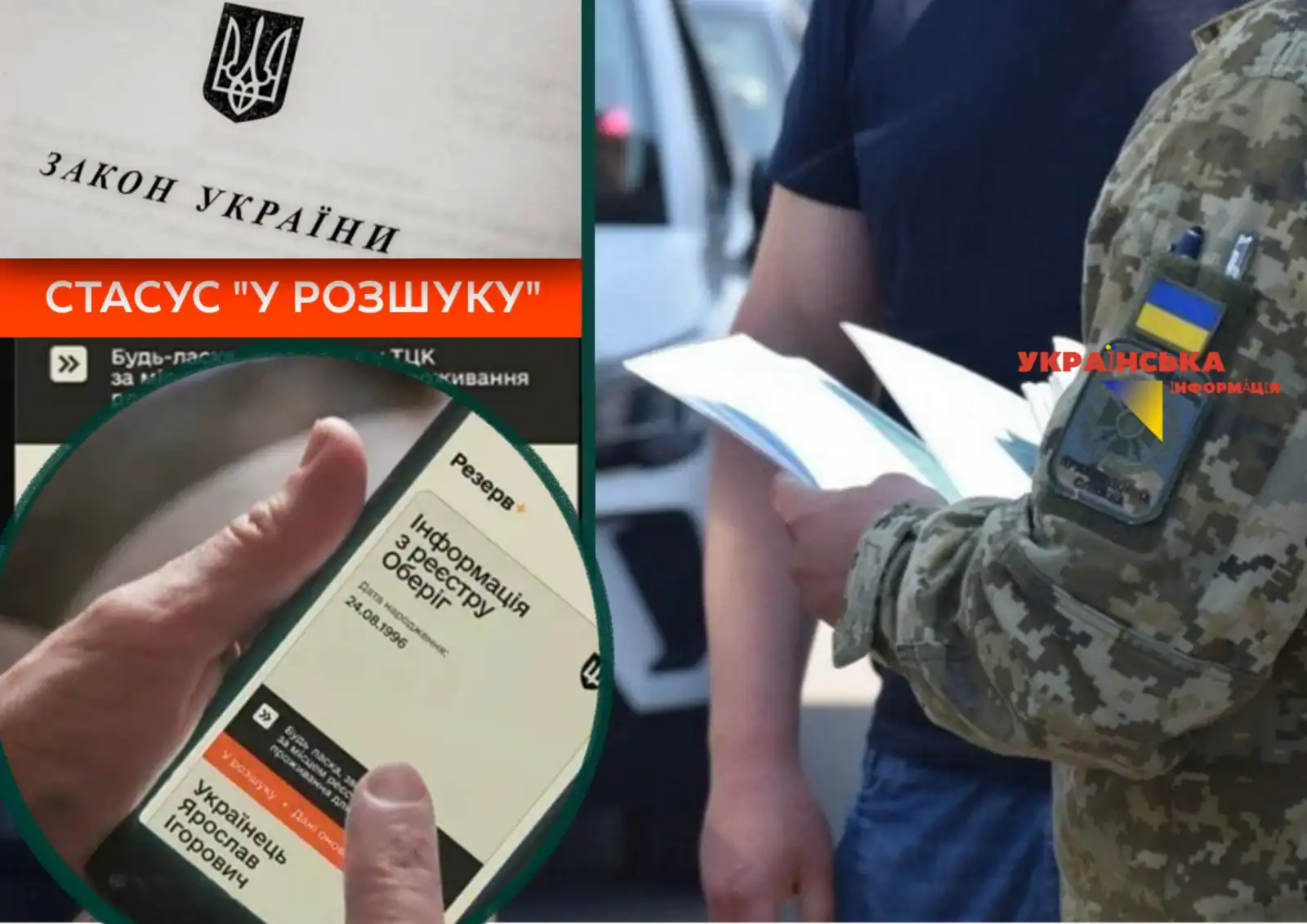
The Verkhovna Rada of Ukraine is actively discussing new amendments to the Law on Mobilization and Resolution No. 560. According to sources in the parliament, the new bill may be put to a vote as early as April and be finally adopted in May 2026.
What exactly could change, from reducing the grounds for deferral to new restrictions for “evaders.” In this article, we will tell you who will most likely be affected by the new changes first and what you should do now to prevent things from getting worse — we will analyze in the article.
Why are they talking about a new law right now?
After another extension of martial law and a virtual pause in negotiations on Ukraine, the deputies again spoke about the need for new amendments to the law on mobilization for 2026. According to our sources, the deputies have already received a draft law that they supposedly agreed on in the defense committee and will continue to work on at parliamentary hearings in the first and second readings. The main problem with improving the legislation to combat “busification”, that is, forceful detention on the street, often without even a detailed check of documents and investigation of the circumstances, was the military record of each specific “conscript”. The main mission is to make the system fairer for conscripts and preserve the mobilization company, closing existing public incidents on a socially sensitive topic. Including improving the motivation for the CCC employees themselves to adhere to the letter of the law.
In the relevant committee, the new bill may include several new restrictions for those who are “wanted” with a red ribbon in the Reserve+ application. Among the prohibitions that are already being actively discussed are the conclusion of legal transactions and actions that have legal significance (purchase and sale transactions, donations, inheritance), receiving public services, and restrictions on property.
What other changes can be discussed and voted on by deputies?
According to information available to our sources in parliament, the following innovations are being considered:
- Changing the approach to the ability to obtain criticality status for businesses – private businesses with “employee reservation capability” will have to meet more complex criteria to obtain the right to reserve employees.
- Clarification of documents for some reasons for postponement – especially for parents, caregivers, guardians who provide care for patients based on the conclusion of the LCC.
- Strengthening responsibility for those who have “violations of military registration rules ” – for evading the summons to clarify data, including for evading the VLK. Adding new restrictions on property ownership and disposal (for which we potentially wrote above).
- Digitalization of the process of checking and detaining those liable for military service – the greatest indignation in society arises from the distribution of videos of illegal or not entirely legal procedures for checking documents and detaining. They plan to transfer the check to an electronic format through “Reserve+” and Action. Transfer all powers for searching and delivering to the CCC only to the National Police.
Who might be affected first?
If the bill is adopted in its current form, the biggest changes could affect:
- Men of draft age who have not yet updated their data in the CCC and are not on military registration;
- Employees and businesses that have and provide reservations;
- Registered guardians and caretakers according to the conclusion of the LCC;
- Persons caring for sick relatives with disabilities of group I or II.
What should Ukrainians in the risk category do now?
While the law has not yet been adopted, it is recommended:
- Update data in “Reserve+” – even if you think everything is in order.
- Collect the necessary documents for a deferral (if there are grounds) and make the deferral legal (legalize).
- Monitor official sources with the text of the law and final changes – the Verkhovna Rada, the Ministry of Defense, and the CCC.
- Consult a lawyer if you have any doubts about your status.
Conclusion
A new mobilization law, which could be passed as early as April-May 2026, could significantly change the rules for hundreds of thousands of conscripts. While the text is not yet final, the best strategy is to stay informed and prepare in advance, taking into account the status of “wanted” or “not registered.”
Follow the updates on our website – we will promptly inform you about all changes.