Despite the basic provision of the Armed Forces of Ukraine with everything necessary from the state, namely clothing, equipment, ammunition and food, which applies equally to both those who were mobilized and those who expressed a desire to serve under a contract. Gathering at the training center or directly to the military unit still requires some personal preparation.
Not only basic comfort, but also health depends on how well the equipment is selected. This material was created taking into account the recommendations of active military personnel and tactical training standards to provide maximum information for those preparing for military service.
Read also: When is Grandmother’s Day in 2026 in Ukraine: the history of the holiday initiated by the Pope
Basic items and mandatory rules for a military backpack

Before preparing a backpack for military service in the army, it is worth remembering the 3 main rules before buying up half of the military trade assortment, namely:
- Weight matters: You’ll have to carry it on you. Every extra gram, not to mention the total kilograms, will quickly make itself felt in the form of rapid fatigue, back pain, or limited mobility. So take only the most necessary for each specific period of the year (summer things are in season, and winter things are put aside for storage at home for now).
- Quality is more important than quantity: One good fleece sweater is warmer than three cheap ones or a few summer blouses. The same rule applies to quality everyday shoes, backpacks, and pouches for things and medicines.
- Modularity and mobility: It is better to pack things in waterproof compression bags or zip-lock bags by category (separately for underwear, separately for electronics). This not only saves space and protects against moisture, but also helps to be mobile without worrying about things getting wet in the rain or getting stuck in the mud in the fields.
Choosing the right clothes and shoes is the foundation of survival
Yes, the state does indeed provide a basic set of uniforms from the very beginning of service, but for real combat training, and if you have your own special parameters (excess weight, tall stature, non-standard shoe size), then it is better to have your own, proven and comfortable things.
- Tactical shoes: The most important climbing shoe for maintaining spine and joint health and simply a great investment in mobility. Comfortable, well-worn trekking or tactical boots (Lowa, Salomon, etc.). They must be accompanied by spare insoles or orthopedic insoles if there are problems with load distribution.
- Trekking socks: Regular cotton socks quickly rub calluses. Special sweat-wicking socks are needed (minimum 5-7 pairs).
- Thermal underwear: Two sets. One for active movement (synthetics, wicks moisture well), the other for sleeping and static (with the addition of merino wool).
- Fleece jacket: Lightweight, quick-drying, and great at keeping you warm.
- Underwear: Comfortable boxers made of natural fabrics or special sports models that do not chafe (5-7 pieces).
- Rubber slippers: An indispensable item for showering and resting your feet after wearing boots in a place to sleep and relax.
Tactical equipment and everyday life
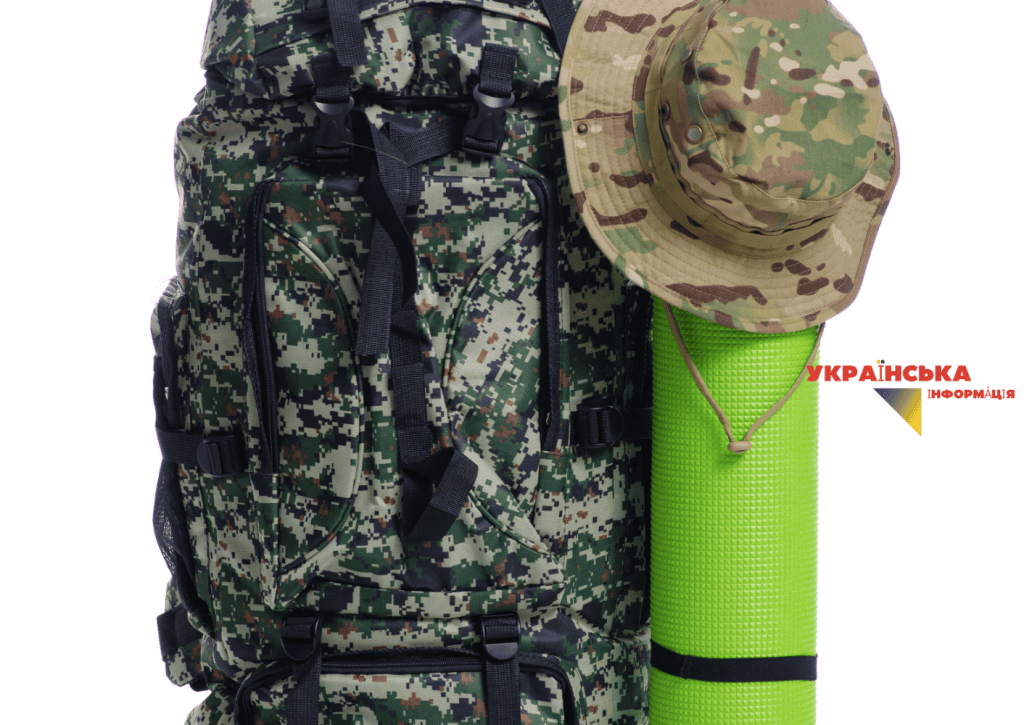
- Backpack or duffel bag: A large one (80-100 liters), preferably made of Cordura, to carry all your belongings. You will also need an assault backpack (25-30 liters) for daily tasks.
- Sleeping pad and seat bag (pillow): A thick sleeping pad will protect you from the cold ground.
- Sleeping bag by season: It is better to choose a compact one with a temperature range that corresponds to the season.
- Multitool and knife: A quality multitool (e.g. Leatherman) solves many small household and technical problems.
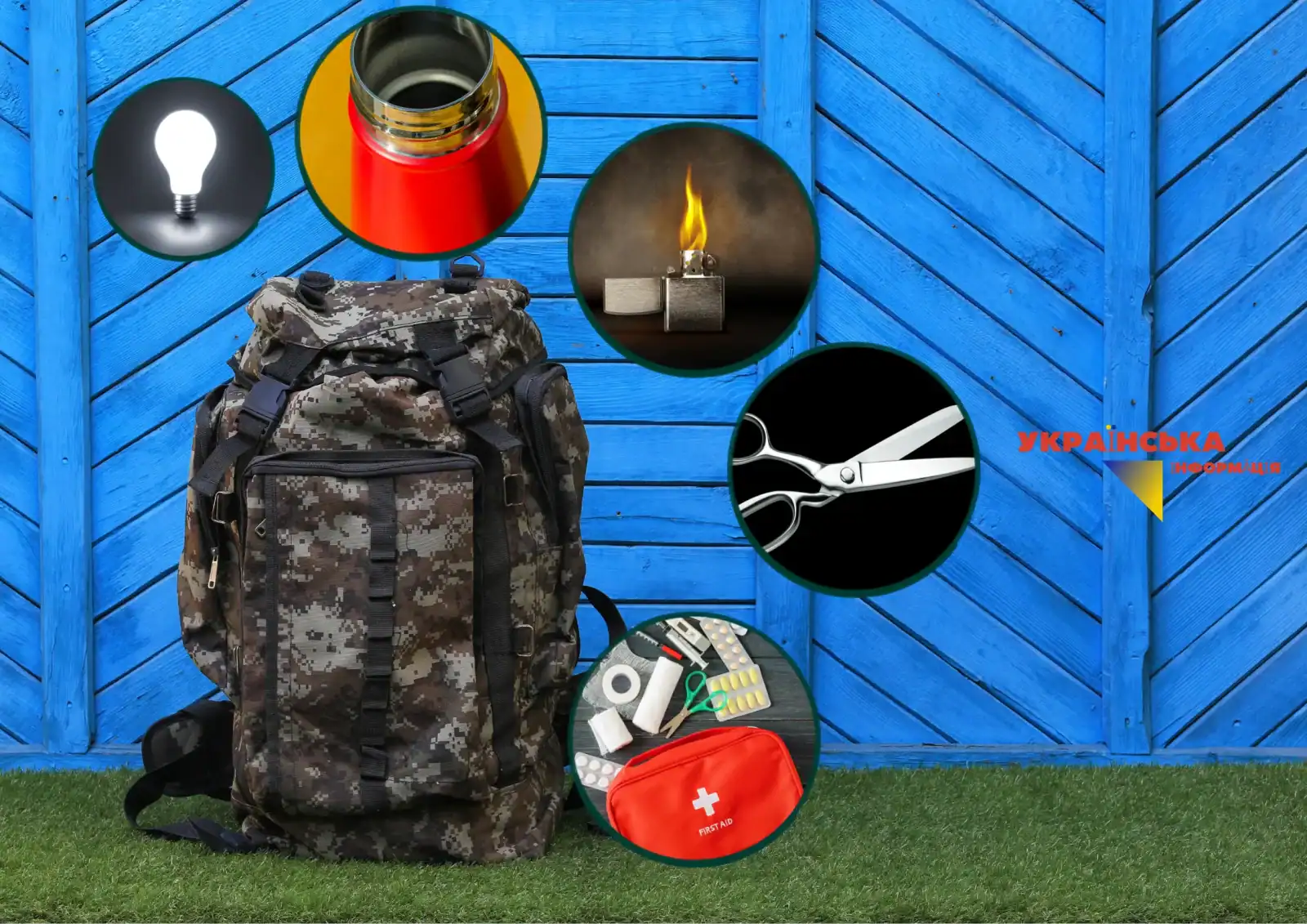
- Hand-held and headlamp flashlight: Hand-held for all occasions, since military personnel often deal with low-light areas and camouflage, a headlamp with a red light mode is also appropriate (red light is the least visible at night). A spare battery is a must.
Individual first aid kit
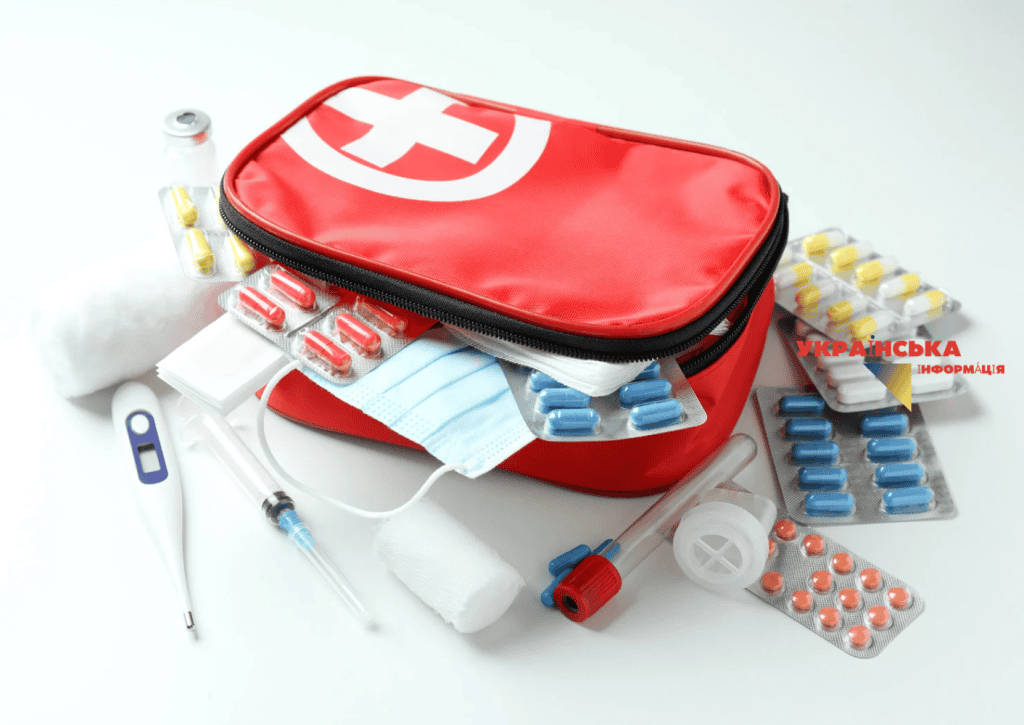
An experienced soldier’s military first aid kit is divided into two parts: combat (IFAK – for saving lives on the battlefield) and household (for daily needs such as diarrhea, bloating, heartburn, colds, etc.).
Combat First Aid Kit (IFAK)
It is strictly forbidden to save money on these items. Buy only certified equipment.
- Turnstiles (minimum 2-4 pcs.): Only original (CAT 7th generation, SOF-T, SICH). No Chinese fakes.
- Hemostatic bandage (hemostatic): QuikClot, Celox.
- Bandage (Israeli): Size 4 or 6 inches.
- Occlusive dressings: For chest wounds (with and without valve).
- Atraumatic scissors, nasopharyngeal tube, thermal blanket.
Household first aid kit
It is completed according to the individual needs of the body:
- Painkillers and antipyretics (Ibuprofen, Paracetamol, black and white charcoal).
- Drugs for stomach disorders (Smecta, Loperamide, Nifuroxazide).
- Cold and anti-inflammatory remedies (hot cups, vitamin C, nose drops, lollipops, and throat spray).
- Plasters of various sizes (thin and wide on fabric and plastic), chlorhexidine.
- Personal hygiene products (medical alcohol for disinfection), hydrogen peroxide,
- Medications in a home first aid kit should be in stock for 2-3 months in advance.
Hygiene
In field conditions, access to water is often limited, so the emphasis is on autonomy:
- Wet wipes (large packs) and special wet towels for military dry showers.
- Dry shower (sponges that foam with a minimal amount of water or from the packaging).
- Toothpaste, brush (in a case), razor and foam.
- Shampoo/shower gel (preferably in small travel bottles).
- Microfiber towel (dries quickly and takes up little space).
- Nail clippers (more practical than scissors, but you can also choose them).
Electronics and documents
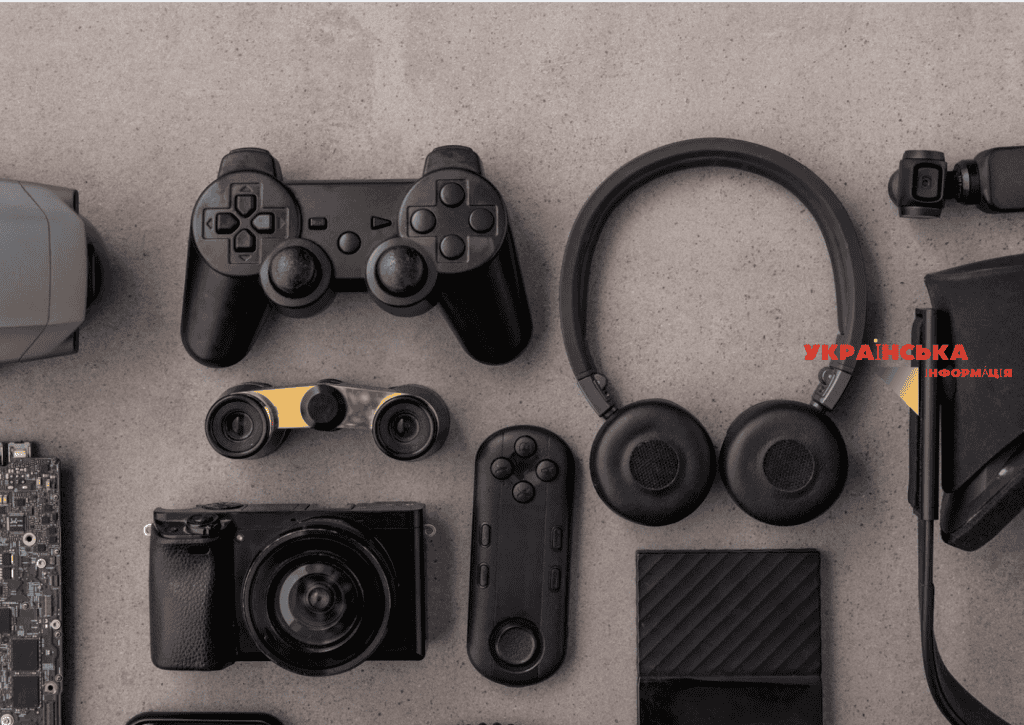
- Documents: Passport, military ID, driver’s license, bank cards. Keep everything in a secure waterproof bag (ziplock).
- Cash: A small amount and a couple of hryvnias in small bills.
- Electronics: Smartphone (if possible, shockproof or in a durable case).
- Power banks (minimum 20,000 – 30,000 mAh).
- Chargers and durable cables.
- Notepad and pen: A waterproof notepad and several markers/pens for taking notes.
Read also: What does fish dream about: a complete interpretation of dreams for women and men
Checklist: What is given out and what is better to have your own

For the convenience of budget planning, below is a table of purchasing priorities.
| Category | Issued by the state (Armed Forces of Ukraine) | It is recommended to buy/bring your own |
|---|---|---|
| Uniform and clothing | Summer/winter pixel (KZP), jacket, thermal underwear (basic), T-shirts | High-quality fleece, additional sports/merino thermal underwear, underwear, sweat-wicking socks |
| Footwear | Summer/winter berets, rubber boots | Trekking boots, orthopedic insoles, rubber slippers |
| Equipment | Baul, RPS, bulletproof vest, helmet, sleeping bag, caremat | Assault backpack (30L), light sleeping bag, seat (pillow), multitool, headlamp |
| Medicine | Standard first aid kit (IFAK) | Additional original turnstiles (CAT), expanded household first aid kit for your own illnesses |
When packing, remember the main rule: your gear should work for you, not you for it. Prioritize practicality, durability, and minimalism.
Want to receive more news on this topic? Subscribe to our Viber by simply clicking on this text!