
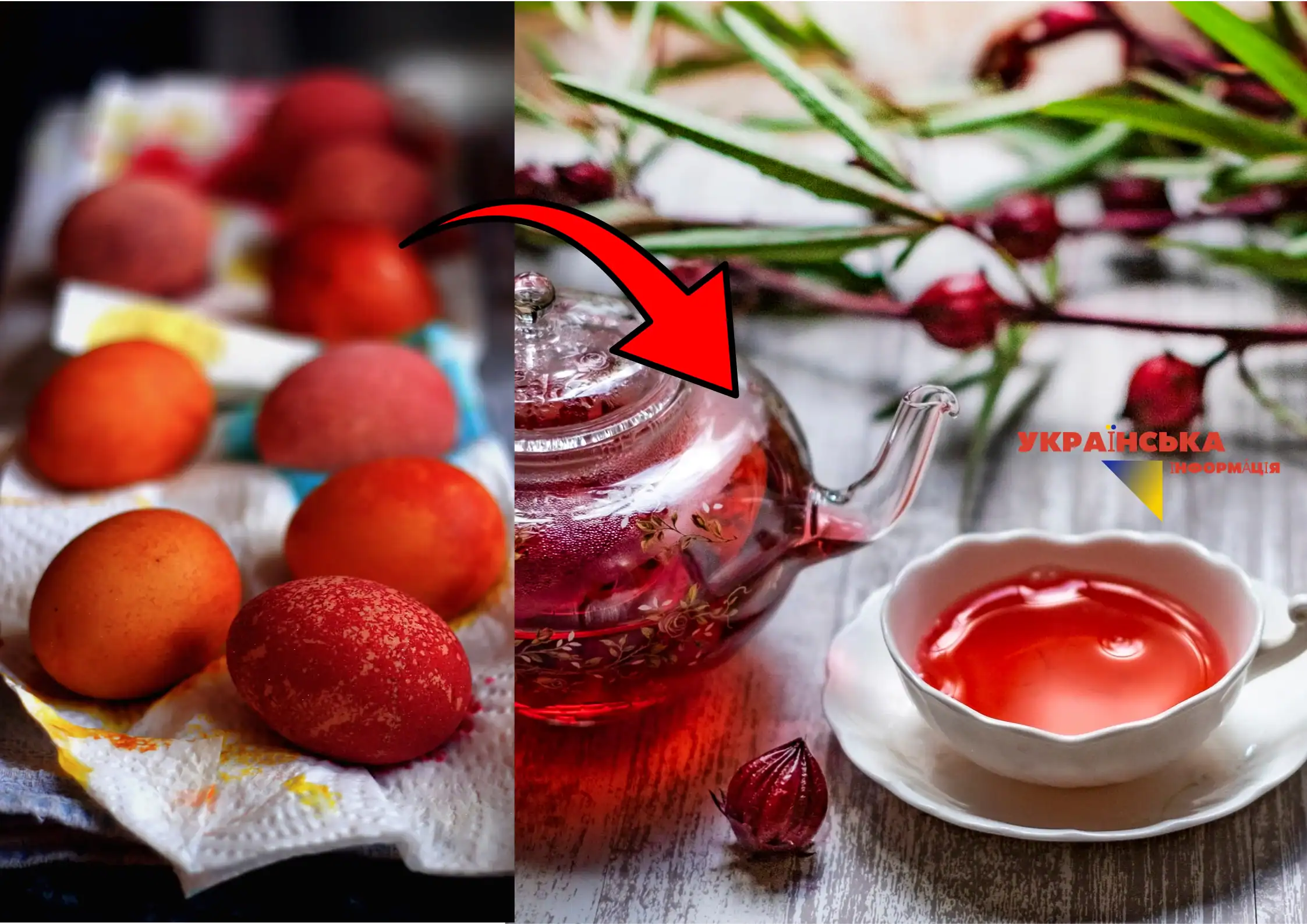
I am writing this article for those for whom, like me, Easter is a celebration of life, spring, and renewal. Preparing for it in 2026, more and more Ukrainians, like me, are choosing the trend of naturalness and minimalism. Why use dubious chemistry if nature has already created the perfect palette? And our ancestors didn’t have chemistry either, and
I am writing this article for those for whom, like me, Easter is a celebration of life, spring, and renewal. Preparing for it in 2026, more and more Ukrainians like me are choosing the trend of naturalness and minimalism. Why use dubious chemistry if nature has already created the perfect palette? Yes, our ancestors did not have chemistry and egg dyes, but they still made beautiful Easter eggs. Safely dyeing eggs with natural ingredients is not only caring for the health of your family (especially children), but also an exciting creative process. In addition, this is a significant savings, because most of the ingredients are already in your kitchen.
If you, like me, are constantly looking for better homemade ways to dye eggs without dye to get deep, unique, powdery or cosmic shades, this method of mine is just for you. I developed this recipe based on my own experience. We will reveal the secrets of how to create real masterpieces using ordinary vegetables and spices that will become the main decoration of your Easter basket.
Preparation: 3 golden rules for perfect color
To ensure that natural egg dyes apply as evenly as possible and the color is saturated, it is important to properly prepare the base:
- White Shell: For bright and pure shades (blue, pink, yellow), choose only white eggs. Only classic onion skin and red coloring will work well on brown eggs.
- Room temperature: Many people refrigerate their eggs too long before Easter, so take them out of the fridge two hours before cooking. This will prevent the shells from cracking when the water temperature drops dramatically.
- Degreasing with vinegar: Before painting, wash the eggs thoroughly with soap or baking soda, then wipe with a cotton pad generously soaked in table vinegar. This will remove the invisible fat film and the paint will adhere perfectly evenly to the entire surface without streaks.
Yellow: sunny Easter eggs in turmeric

For a bright, sunny hue, add 2-3 tablespoons of ground turmeric and a tablespoon of vinegar to the water you boil the eggs in. Cook for 10-15 minutes over medium heat. If you want a deeper, mustardy hue, leave the eggs in the turmeric for a few more hours after the broth has completely cooled. It is important that the more eggs, the more turmeric mass you need to add.
Blue: the heavenly magic of red cabbage
How does purple cabbage turn blue? The secret is in a simple chemical reaction. Cut half a head of red cabbage, cover with water, add 2 tablespoons of vinegar and boil for 30 minutes. Strain the broth and dip the already boiled egg whites into it. Leave it in the refrigerator overnight – in the morning you will get the perfect sky-blue shade. For an even pattern, periodically roll the eggs in a saucepan or container.
Pink and burgundy: beetroot or hibiscus
To avoid a “dirty” color, use fresh beetroot juice or a strong hibiscus tea, but don’t boil the eggs in it for too long, as it will be too much. The best way is to grate the beets, add a spoonful of vinegar and a little water, boil for 10 minutes, strain and soak the finished eggs. Leave for 3-4 hours for a soft pink shade or overnight for a rich burgundy.
Brown: a timeless classic in the onion room (blue onion)
This is a method that all grandmothers know, and it never fails. Collect the husks from 10-15 bulbs, cover with water and boil for 30 minutes until you get a dark brown broth. Cool it, put raw eggs in it and boil until cooked. The color turns out to be deep, terracotta and very persistent.
Gray and cosmic: eggs in hibiscus recipe marble wonder

This is an absolute hit of recent years. Brew 4-5 tablespoons of hibiscus tea in a liter of boiling water. Be sure to add a spoonful of vinegar. Dip boiled egg whites into the broth along with tea leaves for several hours. Incredible gray-blue, cosmic and marble patterns will form on the shell, from which it is impossible to take your eyes off.
Effortless patterns: how to make eggs unique
In fact, for uniqueness, if you are giving eggs to relatives or want to surprise guests at a feast, you don’t need special stickers or store-bought stencils. Use improvised means:
- Parsley or dill leaves: Add fresh herbs to a raw egg, wrap tightly with a piece of nylon tights, tie tightly with thread, and boil in dye. You’ll get the perfect floral print.
- Stationery rubber bands: Wrap the egg chaotically with thin rubber bands before painting to create stylish striped Easter eggs. No one will guess how you got them so pretty.
- Threads: Wrap the egg tightly with thick cotton threads. After dyeing, a thin web of light lines will remain on it, very unusual and trendy right now.
Frequently Asked Questions (FAQ)
How long should you keep eggs in the solution for a rich color? Natural dyes work more slowly than chemical ones. For a light pastel shade, 1-2 hours is enough. For a rich, deep color, leave the eggs in the solution overnight, making sure to put the container in the refrigerator.
How to make Easter eggs shiny? When the eggs are completely dry after being removed from the broth, they may look dull. Put a drop of regular sunflower oil on a cotton pad and gently rub each egg. They will immediately shine and the color will become much brighter.
Can you eat these eggs after a week? Yes, but only if stored properly. Hard-boiled eggs can be safely stored in the refrigerator for up to 7 days. Since we used only food-grade ingredients (no artificial chemicals), the shell remains safe and the egg white does not absorb any toxins.
Creating natural beauty with your own hands is much easier than it seems, our ancestors did it for years and centuries before us without paint and stencils. Natural methods give a huge scope for imagination and protect the health of our children, and also make the process of preparing for Easter a real family holiday. Try experimenting with colors and shades this year!
There we publish even more useful eco-tips, current news, and life hacks for the holidays every day!