With the arrival of autumn comes the last, crucial period in the life of the queen of the garden. After several waves of summer flowering, the bushes are exhausted and need to restore their strength before the onset of cold weather for new flowering in the new season. Many novice gardeners mistakenly believe that with the arrival of autumn, care for the flower garden is completed, and roses do not need any care other than pruning.
However, it is the correct feeding of roses in the fall that is the key to ensuring that the bush successfully survives the frosts and next season will give you incredibly lush flowering. So, in this article, we will analyze in detail how to feed roses in the fall , which fertilizers to choose (organic from home or purchased at a flower shop), and how to properly prepare the plants for winter.
Why is autumn feeding of roses so important?
In late summer and autumn, roses stop actively growing their green mass and focus all their energy on strengthening their root system and ripening their shoots, that is, they prepare themselves for wintering and the new season. But the idea that they can do this perfectly without your help is wrong.
Why you should consider adding fall fertilizer to roses:
- Stopping the growth of young shoots: They (unfed roses) will still not have time to harden off before winter and will die from the first frosts.
- Strengthening the root system: Strong roots are a guarantee of successful wintering; if they are not nourished, the roots may not survive a difficult winter and the plant will die.
- Boosts immunity: Increases resistance to fungal diseases (black spot, powdery mildew) and pests.
- Budding: Stimulates the formation of healthy flower buds for next year’s budding.
Read also: The most delicious homemade adjika: a recipe without cooking and vinegar
The main rule of autumn: Starting from August, it is strictly forbidden to apply nitrogen fertilizers ! Nitrogen stimulates the growth of new leaves and shoots, which will weaken the bush before winter. Your choice for autumn is exclusively phosphorus and potassium , which can be obtained both from organic compounds that are in your home and from the store by buying a non-concentrate product.
When to fertilize roses in the fall?
In order for fertilizers for roses to have time to be absorbed, they must be applied in a timely manner. Usually, autumn fertilizing is carried out in two stages:
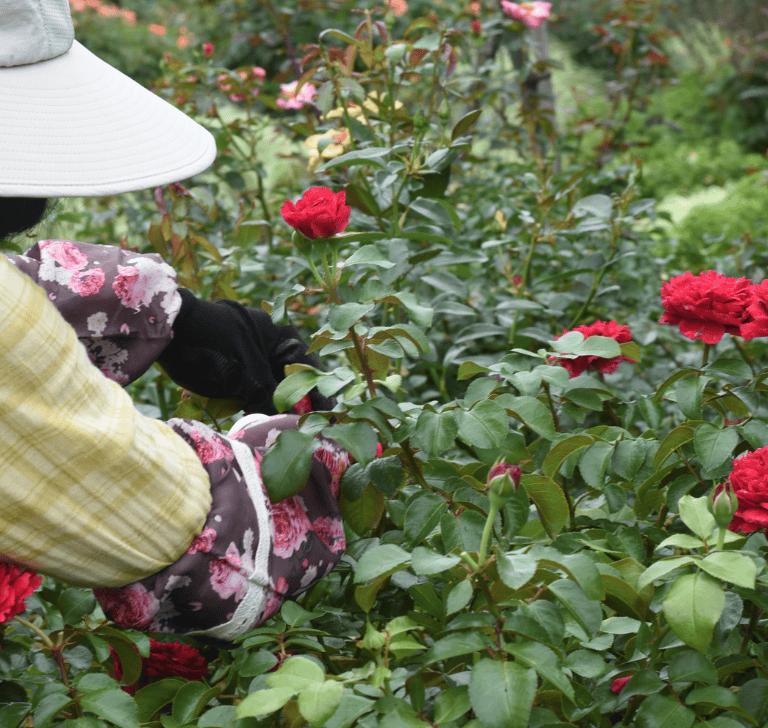
- First stage (late August – early September): Helps stop vegetation and begin the process of lignification of shoots.
- Second stage (end of September – first half of October): Final top dressing before sheltering for the winter, aimed at maximum accumulation of nutrients in the roots.
The best mineral fertilizers for roses in autumn
Mineral complexes, i.e. correctly selected ready-made solutions in compact form, are the fastest and most effective way to provide the plant with the necessary elements. When choosing a flower, choose phosphorus-potassium fertilizers .
1. Superphosphate (source of phosphorus)
Phosphorus promotes the development of a strong root system and accelerates wood maturation.
- How to use: 20-25 g (approximately 1 tablespoon) of granulated superphosphate per 1 sq. m. It can be scattered dry under the bush and then worked into the soil (by sprinkling it with water, for example), or prepared as an extract (pour boiling water over it, as it does not dissolve well in cold water).
2. Potassium sulfate or potassium sulfate (source of potassium)
Potassium is responsible for the plant’s frost resistance, regulates water balance, and helps roses endure winter stresses.
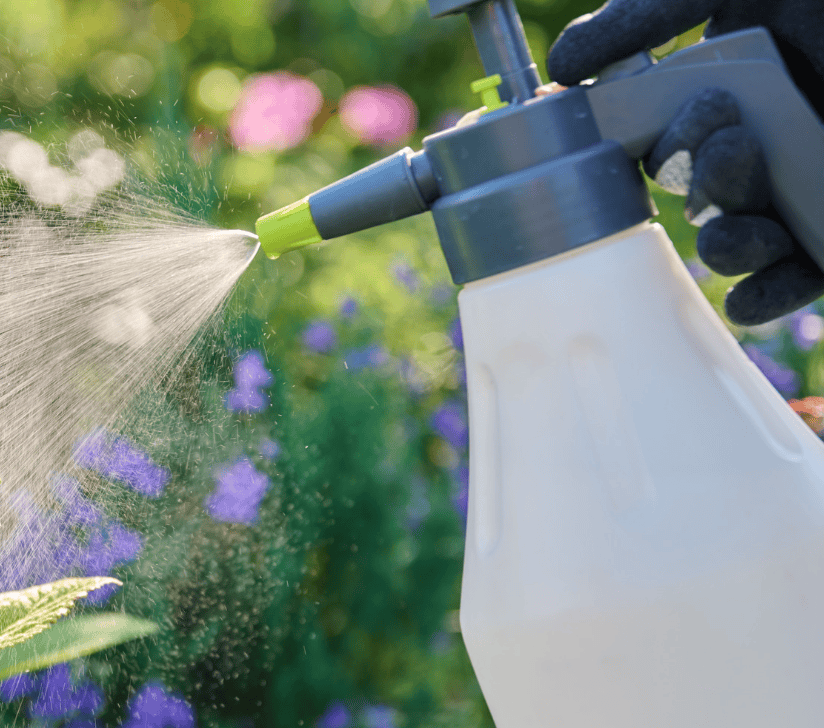
- How to use: Dissolve 15-20 g in 10 liters of water (not concentrate! because the plant will burn!) . Water the bushes under the root with this solution.
3. Kalimagnesia
A wonderful preparation that contains not only potassium, but also magnesium. Magnesium is essential for roses to maintain the bright color of the leaves next season and overall immunity.
- How to use: 15-20 g of granules per bush, planting the grain in loosened soil.
Organic and folk remedies for feeding roses
If you are a supporter of ecological farming and do not want to spoil the soil in your flower bed or garden with artificial chemical fertilizers and are looking for how to feed roses in the fall without chemicals , use these proven folk remedies that everyone has in their yard.
Wood ash (ash)
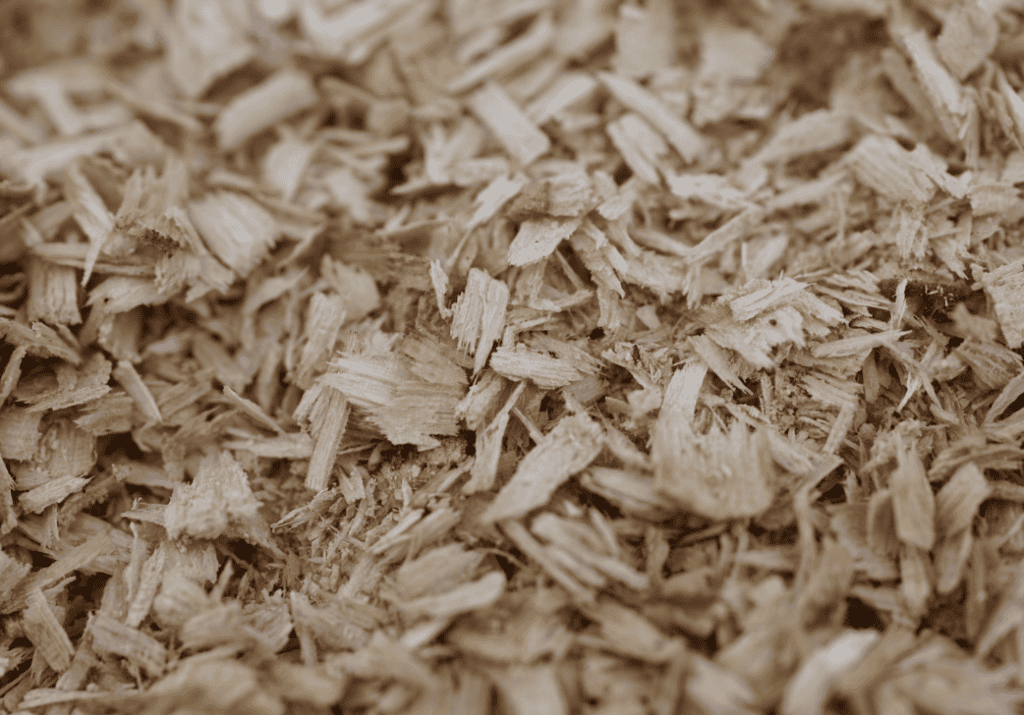
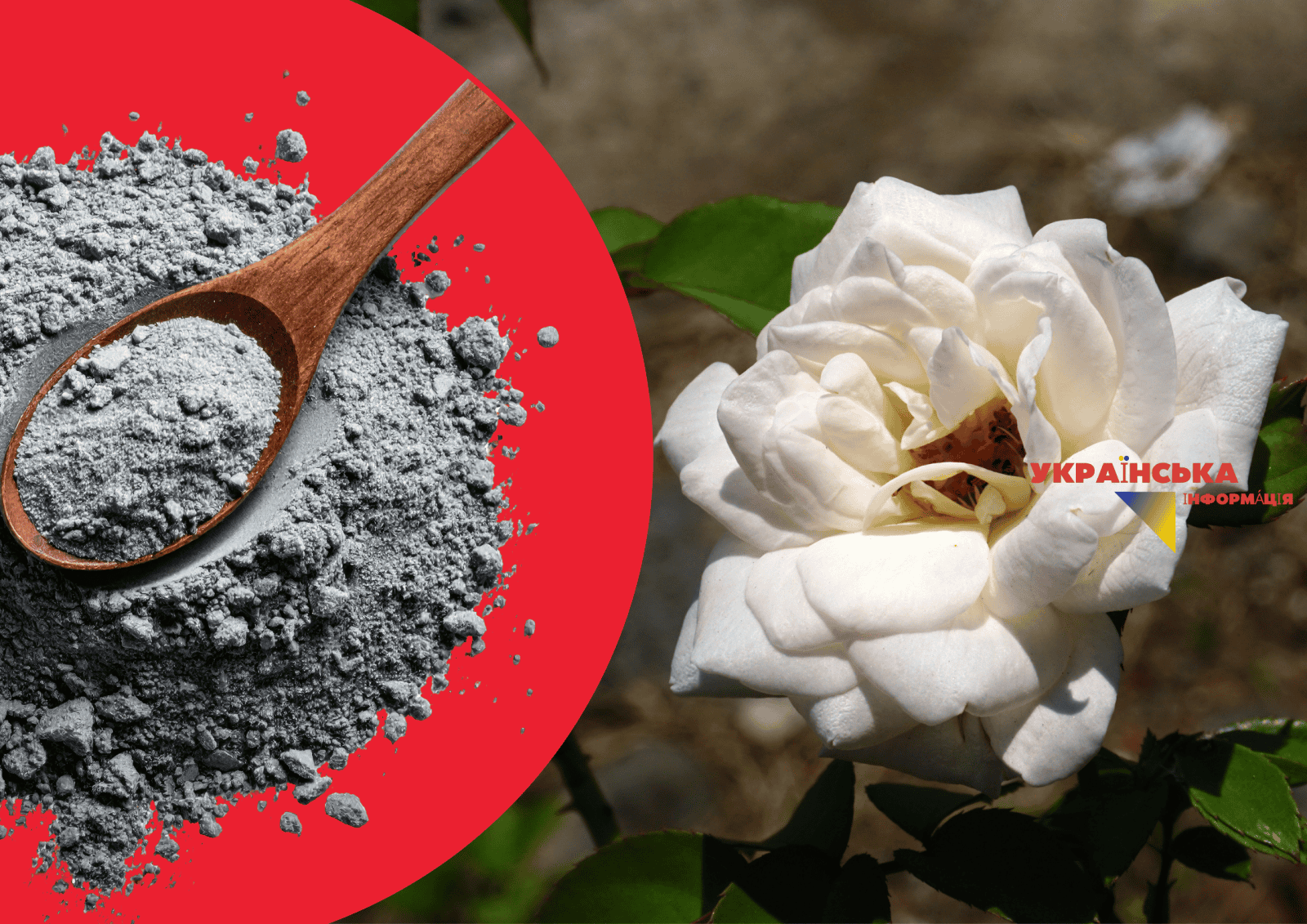
This is the best natural source of potassium, calcium, phosphorus, and trace elements (it is important that the ash is exclusively of wood origin! It is forbidden to fertilize with ash from under greasy, dirty, or other damaged wooden products, as well as non-wooden objects such as plastic). Ash also helps to deacidify the soil, which roses really like.
- Application: Sprinkle 1-2 cups of dry ash around each bush before rain or watering. You can also make an ash solution (100 g of ash per 10 liters of water) for convenient quick watering when there is no rain for a long time and it is not forecast.
Bone meal (you can either buy it on the market or grind it yourself)
An ideal organic source of long-lasting phosphorus. It will decompose in the soil gradually, nourishing the roots of roses throughout the winter and spring.
- Application: Sprinkle 2-3 tablespoons of flour around the bush and lightly dig it over with the top layer of soil.
Banana peels
They contain a lot of potassium. They can be dried, crushed and buried in the root zone of the bush (it works great, tested by me personally as the author of this article).
How to apply fertilizer correctly: 2 main ways
The choice of method depends on the weather conditions in your region:
| Way | When to apply | How it works |
| Dry application | Rainy autumn | The granules are scattered around the bush (10-15 cm from the stem) and lightly rammed into the soil. The precipitation will gradually dissolve the fertilizer and give the most natural effect without the risk of “burning the plant”. |
| Liquid top dressing | Dry and warm autumn | Fertilizers are dissolved in water, but it is important not to overdo it. Before applying the solution, the bush must be watered with plain water to avoid burning the roots. Also, never pour it on the plant itself or on its shoots at the roots. |
Comprehensive preparation of roses for winter: what else needs to be done?

In addition to fertilizing, autumn rose care also includes mandatory procedures for:
- Reduce watering: From September, gradually reduce the amount of water so as not to stimulate plant growth.
- Sanitary pruning: Remove all diseased, damaged and dry branches. Cut out young, red shoots that have not had time to mature.
- Cleaning leaves: Fallen leaves under the bush should be collected and burned or removed from the site, as fungal spores overwinter on them and they delay the entry of nutrients into the soil with rain.
- Preventive treatment: Spray the bushes and the soil around them with a 3% solution of Bordeaux liquid or iron sulfate against diseases (often even if the zovini plant looks healthy, the process may already be underway).
- Mulching and shelter: In late autumn, when stable sub-zero temperatures are established (-5°C…-7°C), mulch the root zone with peat, dry compost or soil to a height of 15-20 cm, and then cover with spruce branches or agrofibre to protect against freezing.
Read also: Pruning trees in the fall: step-by-step instructions, deadlines and rules for preparing the garden for winter
Conclusion
Now you know how to feed roses in the fall for lush flowering next season. Timely application of phosphorus-potassium fertilizers, proper use of wood ash and competent preparation for winter will make your bushes strong and frost-resistant. Take some time for your rose garden this fall, and next summer it will thank you with luxurious, large and bright flowers!
Want to receive more news on this topic? Subscribe to our Telegram or Viber by clicking on the text!