
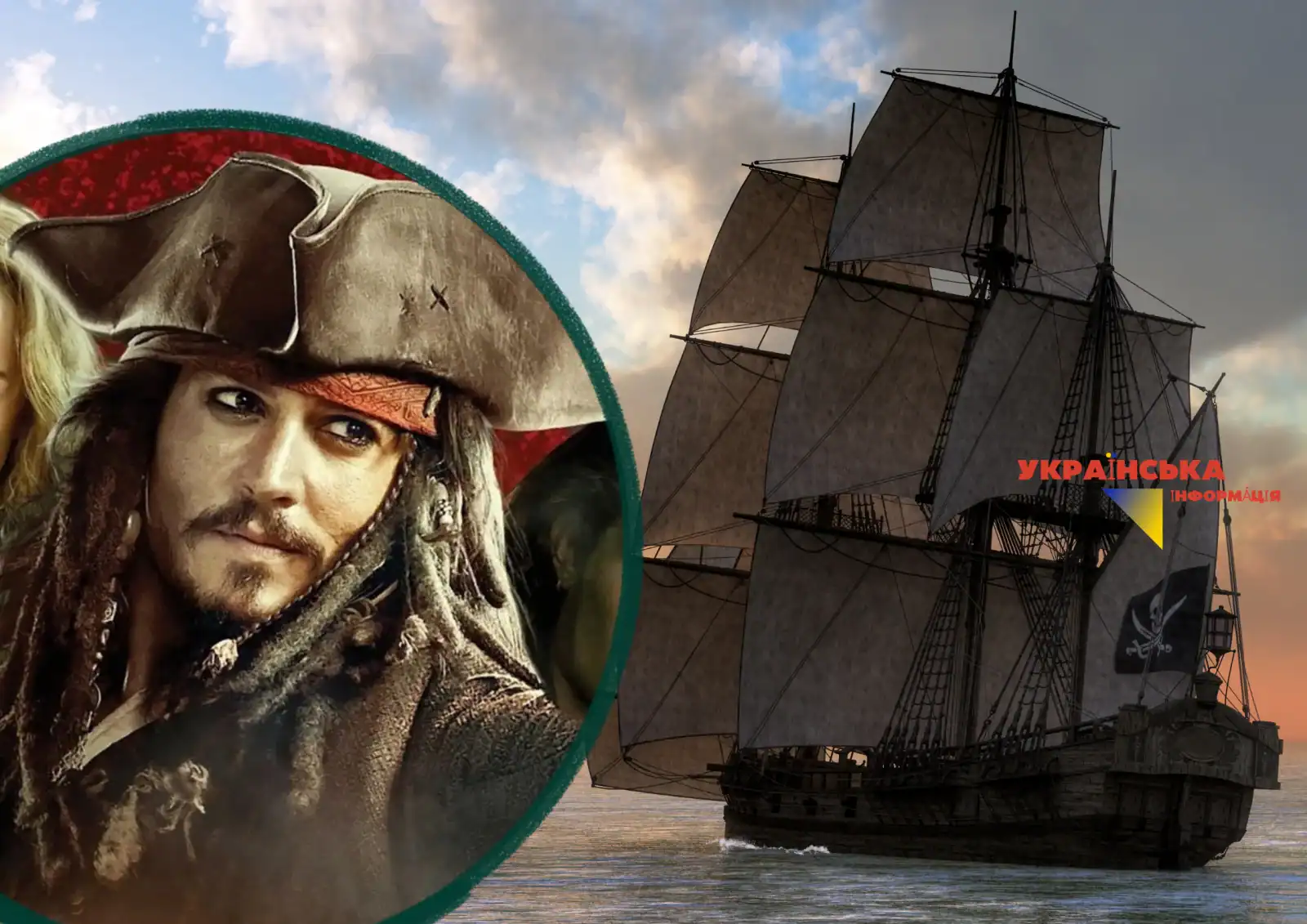
The new “Untitled,” the sixth installment of the “Pirates of the Caribbean” film series, will be released in 2027. The film will be available for screening in cinemas around the world and will tell the story of the new adventures of the pirate gang of the Caribbean.
Did you know? Pirates of the Caribbean is not just a film about sea adventures, its plot contains a true story of its time in which you can observe: colonial wars, economic discord, and the challenges that real people were willing to take on for the sake of a better life.
The events of the film tell the story of the late 17th to early 18th centuries, how the rich and poor lived on land and how sailors and pirates sailed in the Caribbean Sea, which is a semi-enclosed marginal sea of the Atlantic Ocean, located between Central and South America.
Symbols and main ideas from the film
People became pirates in those days not because of the good life, but because of resistance to the power of empires on the mainland. People sought justice and freedom, which they found in the boundless sea under the influence of winds and sea routes that led from Europe to the American continent.
According to modern historians, starting from 1690 and ending in the 1720s at the turn of the century, in the past, ordinary sailors and seekers of easy profit became professional thieves of sea ships sailing under the patronage of the Spanish crown or as merchant ships of Great Britain, who would later be referred to as “Pirates of the Caribbean.”
What kind of people became pirates in the Caribbean?

Pirates at various times were people who were well versed in maritime affairs but for one reason or another lost their income as a means of livelihood or for one reason or another had to abandon their main business in life, “sailing.”
The same story happened with the pirates of the Caribbean, in the past they were sailors of the wars of the Spanish Crown who were left without work due to the end of the war of conquest. Later they were joined by people from the American continent who also did not find their purpose on the mainland, or were forced to leave it for various reasons: criminal prosecution, dissatisfaction with the authorities, the desire to earn money and start a new life.
It was these people with different worldviews, styles, and visions of life who became the prototypes of the characters in the Disney film Pirates of the Caribbean , which later brought them billions of dollars in revenue and fans around the world.
Interestingly, piracy existed in these waters before, but it was much more primitive in nature. Several factors contributed to such a rapid flourishing of the gang in this region, starting with the numerous islands that served as a kind of hidden traps or “bases” for the deployment of pirates, these islands were on the way from continental Europe to the American continent, for which all the leading European powers from France to the Netherlands, from Spain to Britain, were fighting at that time. It was the gold and spices on the ships that became the main target of pirates from the ships of the conquerors of new lands.
As we wrote above, piracy in this area did not arise from nowhere; it grew from the classic robbers of those times who carried out sudden raids and robbed newcomers to a certain level of trained and skillfully trained maritime professionals with a past of soldiers and sailors, sometimes slaves who escaped to freedom, or fighters against imperialism.
Features of the life of pirates in the Caribbean
Surprisingly, in the past of slaves, soldiers and other people often with a criminal element in the new “pirate gang” there was a democratic form of government. The leader or captain, as we know from the legendary film, was elected democratically by a majority of voters.
All the spoils, including loot from ships and more (pirates often plundered coastal settlements as well), were divided equally between all members of the gang.
Life on the ship was also strictly divided according to duties and knowledge. Those who knew more about seafaring and could steer the ship had more intellectual work. Others performed physical labor, maintenance, and cleaning.
Why piracy disappeared over time
Later, when this matter reached an unprecedented scale – the waters became almost impassable for ships from the European continent (according to various sources, including the British Museum, historians suggest a figure of 2,000 to 2,400 pirate ships in the region), the authorities of the kingdoms of Britain, France and others introduced military patrols that began to control the routes and protect gold and other valuables from plunder by pirates.
Although the classic pirates of the Caribbean are long gone, modern pirates still periodically appear in these waters and rob mostly private yachts off the coast of Haiti. This criminal activity is not driven by the good life, but by the desire for easy and quick profit.
As is known, in ancient times, pirates could live a long, carefree life of a sailor for several years from the loot. These were amounts close to 1000 pounds sterling. This money was also reinvested in the ship, weapons and food.
Read also: SUPER TOP 32 films of 2026 – You will 100% recommend them to your friends!
How pirates became famous, what was a myth and what was real

It is now impossible to say for sure what has come down to us today is a fact and what never happened and is pure fiction. For example, the pirate Edward Teach , or as he is often called Blackbeard, robbed off the coast of North Carolina and was very fond of setting fire to his wicks in his beard, for which he received his nickname. It is rumored that he did this to appear as a demon and instill fear in others.

He owned a ship called the Queen Anne’s Revenge, which was famous for its absolute impunity in robbing British ships and even for its battle with the British fleet in 1718.
Of the facts that have survived to this day, the real wreckage of Teach’s ship was found on the coast of North Carolina in 1996.
From the legends about Teach, it is said that he had 14 wives, whom he constantly changed, and many golden treasures.

Another famous female pirate is Anne Bonny, who, with her partner Mary Reed and partner Cal Lynch, robbed ships of empires in 1719 and 1720 in the Bahamas. From the legends that are described historically, it is that Anne posed as a man in order to become a pirate and join the crew. She managed to avoid her execution by claiming to be pregnant, after which history loses any trace of her further fate. However, the viewer will recognize her in the new Pirates of the Caribbean film.
No less interesting was the documented fate of Henry Morgan , who from a buccaneer was able to become the governor of Jamaica in 1671. Ending his life in a respectable civilian status by today’s standards of an office manager.
How the Pirates of the Caribbean movie influenced culture
Pirates, although they have a general negative trait, are generally negative characters for society. On the contrary, for their time, due to local cultural characteristics, they were a progressive force. They took into their ranks both runaway slaves who sought liberation from slavery and persecutors of the authorities who declared the need for reforms and changes in the colonial oppression of their empire over other peoples. That is why they met with popular love and in pirates, simple slaves and enslaved peoples sometimes saw liberators and fighters against the regime of oppression and suppression.
That is why they have become culturally widespread as positive characters who strive for change, are free in their thoughts and views, possess charisma and a thirst for a better life, through adventurous deeds and adventures in naval battles and travels.
Add to all this the fact that children love treasures, interesting images, bold characters, and a bit of action during moments of battles and exploits.
It was inevitable that Robert Stevenson’s famous novel ” Treasure Island ” from 1883 would be mentioned here.
He added vivid plots, drama, love, a real code of honor and courage to the characters. All explanations for the novel speak of the “sea” as an endless freedom of choice, desires, the realization of wild dreams and exploits, and the “pirate” is a person who is of no use to anyone, going against the rules, left to his own desires and with the true features of a revolutionary.
To this list, you can also add less famous film adaptations of the “Pirates of the Caribbean” such as “ Captain Kidd – 1945 ” and “ Black Swan – 1942 ”. Here, there are adventures and crazy love, in general, everything that readers love so much and what we so often lack in our daily lives – heroes-revolutionaries with a pure soul and heart.
Read also: How to take care of your hair properly: A complete guide from trichologists and stylists
Pirates of the Caribbean “The Curse of the Black Pearl” the first film
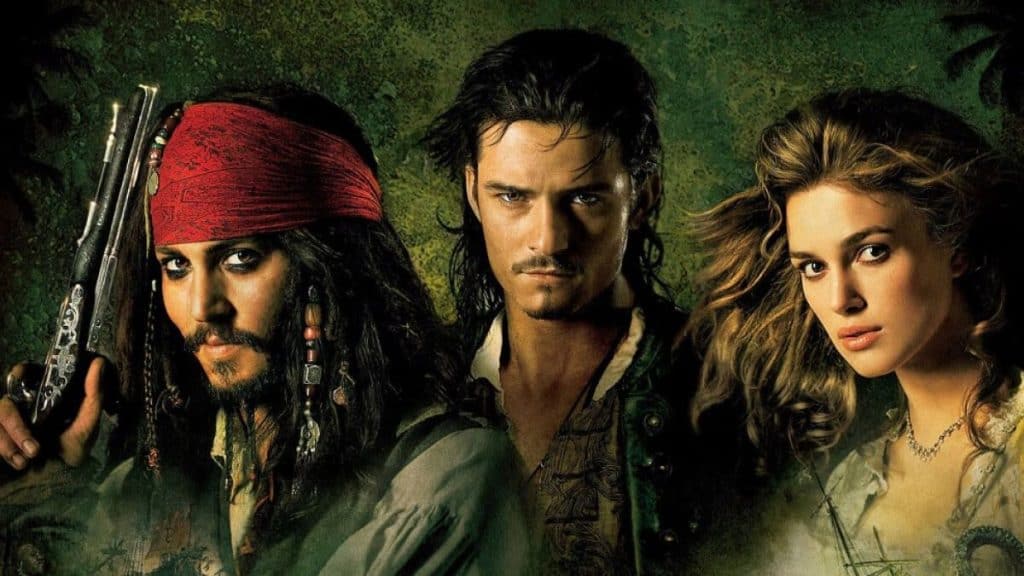
It seems like it was just yesterday that we saw it at the premiere, but the first film adaptation of Disney’s “Pirates of the Caribbean” starring Johnny Depp in his most recognizable role as Jack Sparrow .
According to Wikipedia , after the first part of the largest project, Pirates of the Caribbean in 2003, produced by Jerry Bruckheimer, grossed over $653 million in the US alone, the Walt Disney Pictures studio urgently decided to shoot two sequels at the same time.
So here we go, viewers, hooked on a whole series of pirate movies:
- Pirates of the Caribbean: Dead Man’s Chest in 2006
- Pirates of the Caribbean: At World’s End (2007)
- Pirates of the Caribbean: On Stranger Tides (2011)
- Pirates of the Caribbean: Salazar’s Revenge (2017)
- And the new expected premiere in 2027 will be the release of the new 6th part of the “Untitled Sixth Film” “Pirates of the Caribbean”.
More interesting facts about pirates
- Anne Bonny was a prominent representative of feminism on the continent, championing women’s freedom of choice and equality.
- Anne Bonny wore men’s clothing because it disguised her as a male pirate and was convenient for working on the ship.
- In 2025, new pirate artifacts were found , such as gold, weapons, coins, and other artifacts from Bellamy’s ship off Cape Cod.
- During attacks, pirates used music and sound instruments to intimidate and create a frightening image.
- Pirates often had a “pirate code” on their ships, which included a ban on gambling, equal distribution of loot, other elements of justice and equality for blacks, women, etc.
Want to receive more news on this topic? Subscribe to our Viber by simply clicking on this text!