
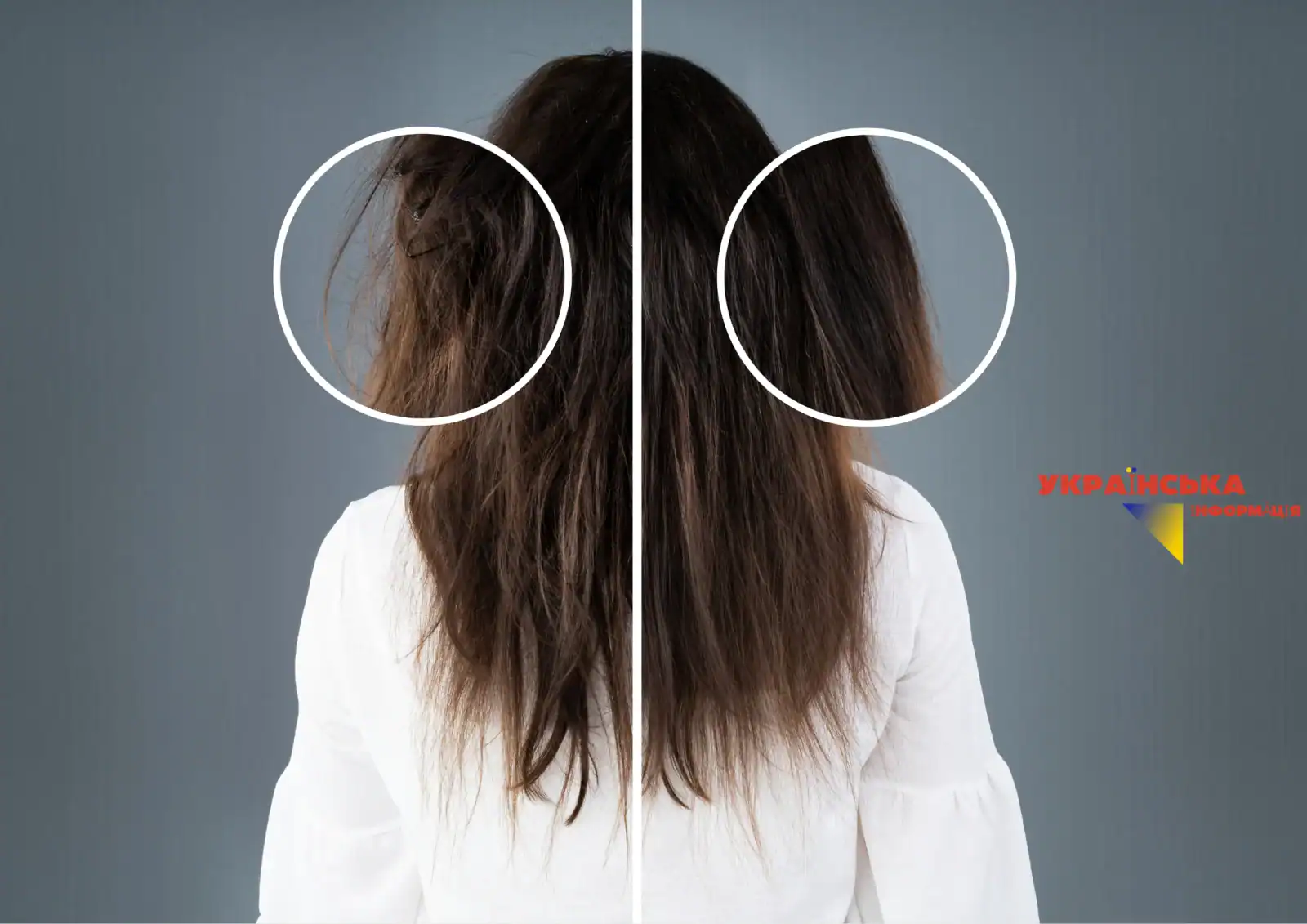
Healthy, shiny and well-groomed hair is not only, as many say, “the result of genetics”, but also daily systematic work on maintenance and care. Although the modern market of “marketers” offers thousands of products for hair care and strengthening, without understanding the basic principles of hair physiology and chemistry, you will constantly spend money on the wind.
This article was prepared by our editorial team of “Ukrainian Information” based on the best advice from trichologists and stylists who work with this every day and know exactly which methods are effective and which are not. So, under their detailed guidance, we have collected the most useful information on the topic that will help you build an effective and individual hair care routine, based on a practically proven approach, as well as with a scientific explanation.
Read also: TOP 50 Trendy Hairstyles for Prom 2026
1. Determining scalp type and hair structure

The foundation of proper care is understanding what you’re dealing with. Shampoo is selected solely based on the type of scalp, not the problem (i.e., shampoo “for hair growth” often doesn’t work), but what really works for hair growth are conditioners and masks – based on condition and length.
Scalp types, we determine them ourselves
- Oily: Hair loses its freshness by the end of the first day after washing. Requires daily cleansing or washing every other day with shampoos with active sebum-regulating ingredients (salicylic acid, zinc).
- Normal: Hair stays clean for 2-3 days. Mild sulfate or sulfate-free shampoos are best to maintain the hydrolipid balance.
- Dry: Needs washing every 5-7 days. Often accompanied by a feeling of tightness or dry dandruff. Requires gentle moisturizers.
- Sensitive: Prone to redness, itching, and allergic reactions. Requires hypoallergenic products with soothing ingredients (aloe, panthenol, chamomile extract).
Hair Structure (Length)
After we have determined the scalp type, we also evaluate the structure (length) of the hair.
- Low porosity: Smooth, shiny, takes a long time to dry, difficult to style. Requires light textures that won’t weigh it down.
- Medium porosity: Normal hair that holds style well and has moderate shine.
- High porosity (damaged or frizzy): Dull, absorbs water quickly and dries out just as quickly, tangles. Requires intensive nourishment, proteins and lipids to fill the voids in the cuticle.
2. Basic care steps: Step by step

The correct sequence of application of products is critically important, so please strictly follow the following recommendations in the complex and in the specified order for their maximum effectiveness.
Stage 1: Cleaning (Washing) the hair of the head
The main purpose of shampoo is to qualitatively cleanse the skin of sebum (sebum), styling residues, and dust without damaging the scalp.
- Washing technique: Apply shampoo only to the roots. The lengths will be cleansed with foam that will drain off when rinsing. This prevents the ends from drying out.
- Double wash: Always wash your hair twice. The first time you break down surface dirt, the second time you deep clean your pores.
- Water temperature: Use warm water. Hot water stimulates the sebaceous glands and opens the cuticle too aggressively, while cold water is not able to dissolve oil effectively.
Stage 2: Deep hair care (Masks)
Masks are used 1-2 times a week depending on the condition of the hair. They work in the deeper layers (cortex). Even those with healthy hair can’t do without them.
- Moisturizing: Retains moisture inside (hyaluronic acid, glycerin, aloe). Suitable for dry and coarse hair.
- Nourishing: Nourishes and softens (natural oils, lipids). Ideal for porous and brittle hair.
- Restorative: “Repair” damaged areas (keratin, silk proteins, amino acids). Necessary after dyeing, bleaching or perming.
- Application rule: The mask should be applied to well-wrung hair with a towel (without rubbing), stepping back 5-10 cm from the roots.
Step 3: Conditioning (Closing the Cuticle) of the Hair
Conditioner or balm is a must-have after every hair wash. Its pH level is more acidic than that of shampoo. It smoothes the cuticle scales that opened during cleansing, makes hair manageable, makes combing easier, and seals the beneficial ingredients from the mask inside. You need to keep the conditioner on for 1-3 minutes. It is not effective for me, it is more risky.
Stage 4: Permanent Care and Protection
Let’s not forget about leave-in products that create a protective film on the surface of the hair. So they are sometimes expensive or seem unnecessary, but their function is to help the hair during stressful periods.
- Sprays: For easy combing and moisturizing (suitable for fine hair).
- Creams: For sealing and nourishing (for porous and thick hair).
- Oils/Serums: To protect ends from splitting. Apply in minimal amounts.
- Thermal protection: An absolute must-have before using a blow dryer, flat iron, or curling iron. It prevents internal moisture from evaporating under the influence of high temperatures.
3. Additional scalp care

To grow healthy hair, it is necessary to maintain the health of the follicles.
- Peels and scrubs: Use them once every 1-2 weeks. They dissolve dead skin cells, improve blood microcirculation, and allow the skin to “breathe.” Scrubs with fine particles are suitable for normal skin, and acid peels are suitable for oily and sensitive skin.
- Head massage: Daily massage (with hands or special brushes) stimulates blood flow to the bulbs, which accelerates hair growth. Do not “scratch” your head, as this damages the scalp and leads to new problems.
4. The most common mistakes in care

To avoid damage, check if you are doing any of the following, and if you recognize yourself, we advise you to immediately refrain from:
- Combing wet hair: When hair is wet, it is most vulnerable and easily stretched to the point of breaking. Comb it before washing, or use a special comb like Tangle Teezer in combination with conditioner when washing your hair.
- Sleeping with a wet head: Rubbing wet hair against the pillow leads to micro-damage to the cuticle and, consequently, breakage of the length.
- Aggressive toweling: Instead of rubbing your hair, gently pat it dry. Instead of using regular terry towels, use microfiber towels or old cotton t-shirts, as they are less damaging to the cuticle.
- Using hot tools without heat protection: This is a direct route to burnt, dry hair.
- Tight hairstyles: Constantly wearing tight ponytails or buns disrupts blood circulation and can lead to traction alopecia (hair loss due to tension).
Read also: TOP Manicure 2026 for short nails: summer trend, best ideas and new products for French and nude
5. The impact of nutrition and lifestyle on hair condition

No amount of external care will yield maximum results if the body lacks building materials from the inside.
- Protein: Hair is 80% protein (keratin). Include meat, fish, eggs, legumes in your diet, without them you will not be able to achieve maximum results in any case.
- Omega-3 fatty acids: Ensure shiny hair and healthy scalp (fatty sea fish, nuts, flax seeds).
- Vitamins and minerals: Iron, zinc, B vitamins (especially biotin), vitamins A, C, and E are critical for hair growth and preventing hair loss.
- Water balance: Dehydration of the body instantly affects the condition of the skin and hair, making it brittle.
So, good hair care is not just a one-time act of genetics, but a regular care routine and a system of prohibitions. Identify your needs, choose the right products, and follow the right technique. Over time, this discipline will reward you with thick, strong, and beautiful hair!
Want to receive more news on this topic? Subscribe to our Viber by simply clicking on this text!