
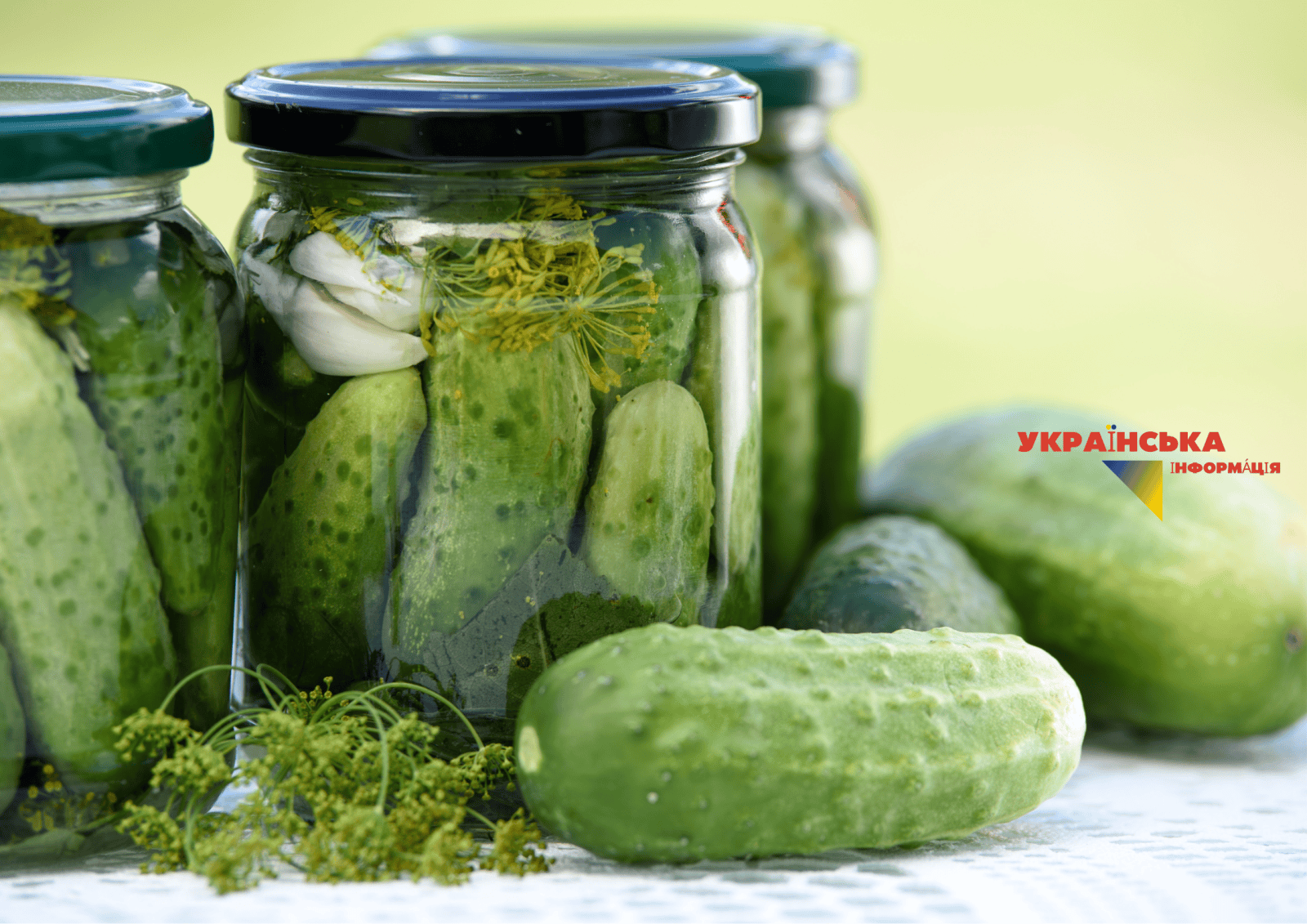
Summer brings the first ripe harvests little by little and even leftovers. For example, as with cucumbers, they grow very quickly in the summer and often do not have time to cook into dishes. Therefore, preserving cucumbers for the winter is the only sensible solution so as not to lose the harvest and not throw them away to the chickens. However, properly preserving cucumbers is a real art that is passed down from generation to generation, especially if you want to open a jar of pickled cucumbers in the winter that are crispy, do not fall apart, smell pleasant and generally resemble a fresh summer harvest as much as possible.
And in this article, we not only give tips on how to can delicious homemade cucumbers, but also warn you about how to do it so that the jar of cucumbers does not “explode”, does not “bloat”, or the cucumbers do not become soft and do not crunch at all.
Read also: Weekly menu for weight loss in the summer: a diet of 1600 kcal per day
1. Selecting and preparing ingredients: Where does success begin?
The secret of perfect preservation lies not only in the marinade, but also in the right choice of products for preservation. Of course, many people have leftovers from their garden, dacha or have saved them, but there are also those who specifically buy the crop for preservation. And the future product in preservation depends on which cucumber to take, “right” or green.
Which cucumbers are suitable for canning?
- Size: Choose small fruits (7–11 cm). They fit more tightly in the jar and soak up the marinade better.
- Variety: Look for cucumbers with black blisters (lumpy) they are very shriveled, not hollow in the sepredine. Varieties with smooth skin or white blisters are salad varieties that will become soft in a jar or are not suitable for high-quality preservation at all.
- Freshness: Try to cover cucumbers the day you pick them or within a few hours of picking. The longer they sit, the less moisture they retain, and therefore the less chance they have of getting that signature crunch and quality, fresh-from-the-garden flavor.
Important life hacks for crispiness from housewives: If the cucumbers are purchased, or not the first freshness from the stocks. Before canning, be sure to soak the cucumbers in ice water for 3–4 hours (it is advisable to change the water periodically). They will be saturated with moisture, become elastic and get rid of possible bitterness.
2. Classic pickled cucumber recipe (for a 3-liter jar)
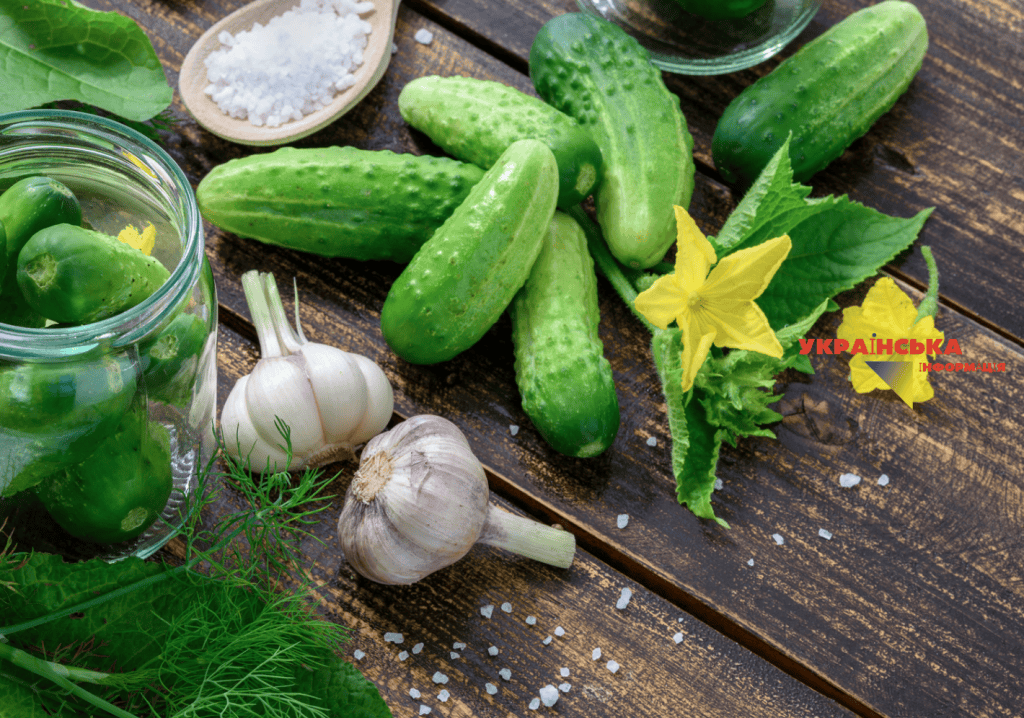
To ensure that the taste is exquisitely fresh and rich, like from the garden (sweet-salty with a pleasant sourness), use proven proportions.
| Ingredient | Number | Role in the bank |
| Cucumbers | ~1.8 – 2 kg | Basis |
| Water | ~1.5 liters | Marinade base |
| Salt (rock, NOT iodized) | 2 tbsp. spoons (without a slide) | Preservative and flavor |
| Sugar | 3 tbsp. spoons | Acidity balance |
| Vinegar (9%) | 80–100 ml | Preservation and sourness |
| Garlic | 3–4 cloves | Aroma |
| Greens (dill with umbrellas, horseradish leaves) | To taste | Signature spicy aroma |
3. Step-by-step instructions: How to properly cover cucumbers for the winter
The preservation process requires precision in time, so prepare a watch and the cleanliness and washability of the product, so keep in mind that the jar should be washed well so that it does not swell. Follow these steps, and your jars of preserved cucumbers will last until next summer.
Step 1: Sterilize the container
Wash the jars thoroughly with baking soda. Sterilize them in any convenient way: over steam, in the oven (at 100 degrees Celsius for 15 minutes) or in the microwave or pour boiling water with a spoon inside so that the jar does not crack. Boil the lids in water for 3–5 minutes. If this is not done properly, fungus and mold will appear, which will lead to the jar “shooting off”
Step 2: Adding herbs and spices to a jar of cucumbers
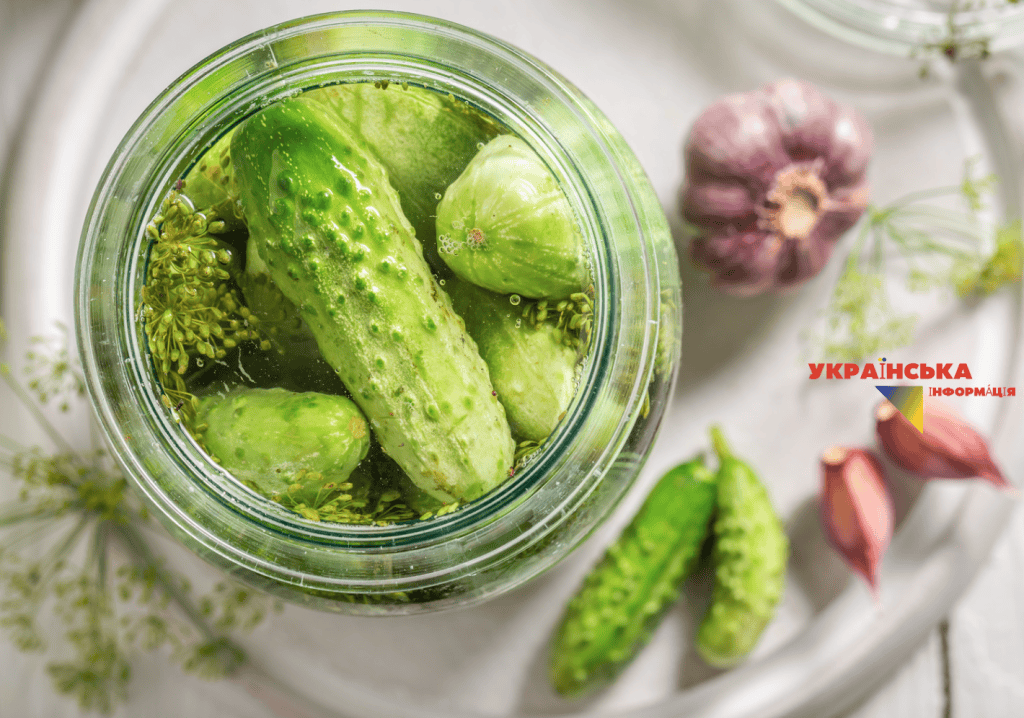
At the bottom of each sterilized jar, place a “green pillow” – this is a selection of the taste of freshness from the garden:
- 1 horseradish leaf (chopped);
- 2 dill umbrellas;
- 3-4 cloves of garlic (cut in half);
- 5 black peppercorns and 2 allspice peas.
- (optional) 2-3 cherry or currant leaves for flavor.
Step 3: Filling the jars
Cut the ends off the selected cucumbers on both sides (this will speed up the pickling process), but if you like them with a tail, then leave them, but the marinating will not be felt as much. Lay the first layer of large cucumbers vertically and as densely as possible, then carefully add the smaller fruits on top.
Step 4: Double-fill method (without sterilizing the cucumber jars)
- First filling: Fill the jars with boiling water to the very top. Cover with lids and leave for 15–20 minutes to warm the cucumbers.
- Draining: Drain the water from the jars into a saucepan (we will use this water to make the marinade).
- Prepare the marinade: Add salt and sugar to the drained water according to the proportions in the table. Bring to a boil so that the crystals dissolve completely.
- Final pouring: As soon as the marinade boils, turn off the heat, pour vinegar into the pan (or add vinegar directly to the jar before pouring), stir, and immediately pour the hot marinade over the cucumbers.
Step 5: Rolling and cooling
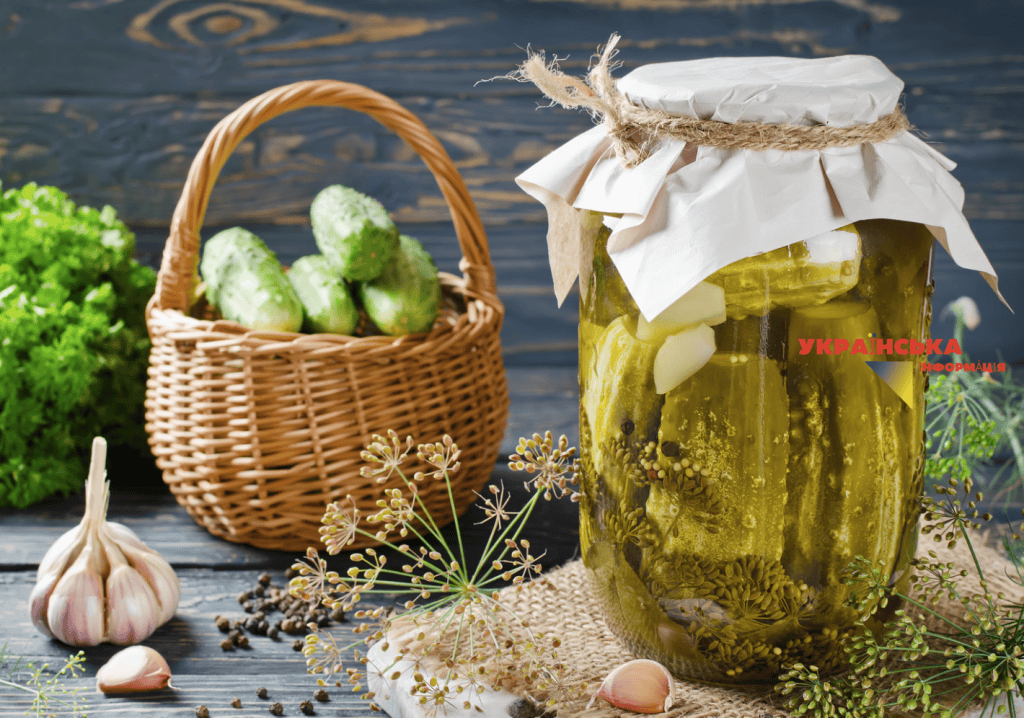
Immediately seal the jars tightly with a key or twist-off lids. Turn the jars upside down to check for leaks.
Note: Unlike compotes, pickled cucumbers do not need to be tightly wrapped in a warm blanket for several days. If they remain hot for too long, they will simply “cook” inside and lose their crunch. A light towel is enough until they cool to room temperature.
4. The main secrets of crunchiness with commentary and advice from the chef
Why do some housewives’ cucumbers “ring” and others’ resemble porridge? Here are three secret ingredients that professionals add:
- Horseradish root: Instead of (or with) the leaves, add a small piece of peeled horseradish root. The tannins in it give the cucumber a dense texture.
- Oak leaves. Just 1–2 oak leaves per jar act as a natural density stabilizer. The cucumbers will be firm and springy.
- Only rock salt. Never use iodized or “Extra” salt. Iodized salt softens vegetables and can cause fermentation, and “Extra” dissolves too quickly and easily oversalts the product.
5. Frequently asked questions (FAQ)
Why does the brine in cucumbers become cloudy?
The most common reason is poor sterilization of the jars or insufficiently washed cucumbers (there may be soil left on the blisters). The brine can also become cloudy due to the use of iodized salt or if air has entered the jar through a leaky lid.
Read also: What to eat in the heat to lose weight: light salads, okroshka and low-calorie dishes
Is it possible to pickle cucumbers without vinegar?
Yes, but then they will not be pickled, but pickled (salted) cucumbers . This uses the method of natural fermentation using a brine solution, without adding sugar or vinegar. Citric acid is sometimes used as an alternative to vinegar in marinades.
How much salt and sugar is needed for 1 liter of water?
If you calculate the proportions per liter of water (and not per can volume), then the gold standard marinade is: 2 tbsp. l. sugar, 1 tbsp. l. salt and 50 ml of vinegar (9%) .
If my material was useful to you, please don’t forget to share it on Facebook, I will be pleased. Also, save this recipe to your bookmarks, share with your friends on Viber and enjoy crispy cucumbers in the winter! Good luck with your preparations!
Want to receive more news on this topic? Subscribe to our Telegram or Viber by clicking on the text!