
After the winter period when we move little, are constantly indoors with a lack of sunlight, and only consume long-term storage products because seasonal products are either unavailable or too expensive, it is worth thinking about the products that need to be added to the daily diet in February to avoid spring vitamin deficiency. The problem of vitamin deficiency: how critical is it and what is it for?
After the winter period when we move little, are constantly indoors with a lack of sunlight, and only consume long-term storage products because seasonal products are either unavailable or too expensive, it is worth thinking about the products that need to be added to the daily diet in February to avoid spring vitamin deficiency.
The problem of vitamin deficiency, how critical is it and what does it affect?
Vitamin deficiency is a very serious problem and negatively affects all functions of our body, ranging from problems that are imperceptible in the early stages, such as irritation (due to low levels of magnesium and zinc) to serious problems with the skin and bones (due to low levels of vitamin D).

Often, many of us do not even suspect that prolonged sleeplessness, hair loss, peeling skin, and other problems with the body are a consequence of a problem with a deficiency of vitamins in the body. Therefore, avitaminosis should not be underestimated and especially in the spring when the issue is quite acute, it is necessary to take measures to fill the diet with an important list of products that will help get rid of it.
5 products to prevent spring vitamin deficiency

Eggs
It is not for nothing that they say that an egg is a source of life, because it contains a complete set of basic nutrients necessary for the development of the fetus. Including such critically important vitamins as A, D, E, as well as protein and nutritious minerals, which together support your weakened immunity after winter.
Read also: TOP 20 Healthiest Foods on the Planet That You Can Eat Every Day

Almost all types of fatty fish such as mackerel, herring, etc. are an important supplier of fatty amino acids for muscles and heart not only in the winter-spring period, but all year round. Such fish also has important vitamin D, which not only helps the heart, but is the basis for your daily excellent mood.
Green

It is often lacking in the winter, as it has a seasonal element, but greenhouse greens such as spinach, parsley, and watercress are available all year round in any supermarket and at a reasonable price. From daily survival as a garnish and spice for your dishes, you will receive a large amount of vitamins A, C, K, and folic acid, for which your skin and hair will thank you very much.
Citrus fruits

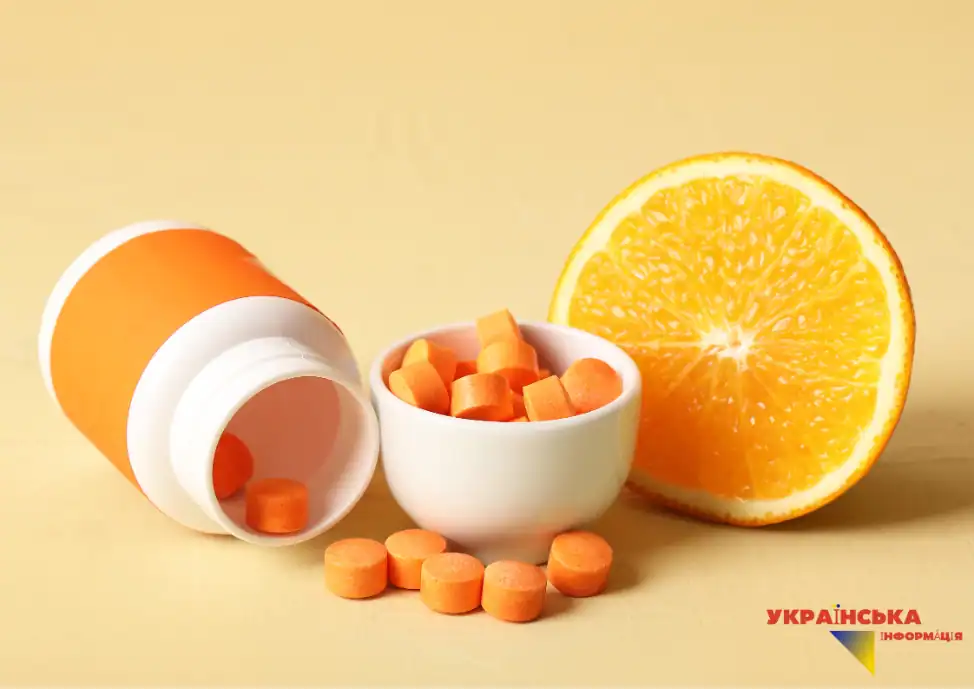
After winter, the immune system is depleted and needs support. Oranges, grapefruits, and kiwis are great sources of vitamin C, which not only restores immunity, but also significantly strengthens it during the spring cold and flu season.
Red meat
Low ferritin, constant mood swings, and rapid fatigue throughout the day are all consequences of a lack of iron, vitamins A, and B12. Therefore, pork and other animal meats, as well as liver, are particularly rich sources of vitamins A, B12, and iron.
Conclusion
You don’t need to try to eat the maximum of what we wrote at once, you should just add these products to your diet and use them daily to compensate for vitamin losses. You can also add other useful and rich ingredients, for example, cooking cereals: buckwheat, oatmeal (for the B vitamins), eating long-term storage products rich in vitamins such as nuts and seeds (this is your magnesium, zinc, vitamin E), and don’t forget about grandma’s words about garlic and onions as the basis of immunity in winter.
Please note: Be sure to consult a doctor before using any medication.
Read also: Ukrainian language in everyday life: how to switch to Ukrainian and not be afraid of mistakes (tips)
Read more about the list of useful products in the spring period in our Telegram