
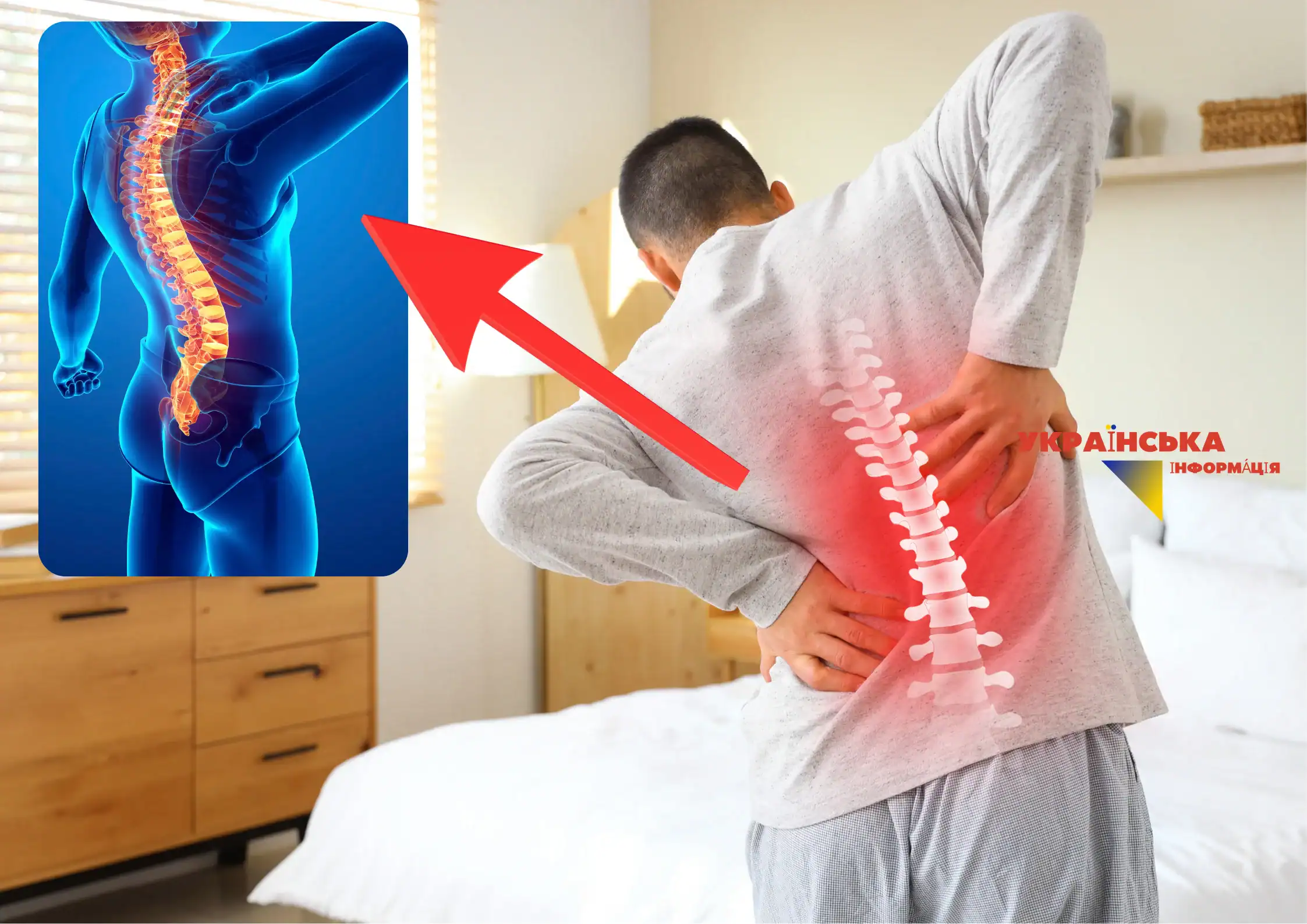
Today in this article we analyze from a scientific point of view such a common problem of modern people as “Back pain”, because it is a serious problem that does not arise “just like that” — and it is also not a story of just “pinching” or “blowing”. This is one of the most common health problems due to many different reasons around the world (sedentary work, wearing
Today in this article we analyze from a scientific point of view such a common problem of modern people as “ Back pain ”, because this is a serious problem that does not arise “just like that” — and it is also not a story of just “pinched” or “blown” . This is one of the most common health problems due to many different reasons around the world (sedentary work, carrying heavy objects, long-term standing “on your feet all day”).
According to statistics, 80% of people have experienced severe back pain at least once in their lives. Therefore, in this article, we will not just give general advice about back massage or daily exercises , but will analyze the problem “from the roots” with a scientific approach, why back pain really hurts, what causes are scientifically proven , which treatments work and which only temporarily mask the problem , and what you can do today to get rid of back pain for good .
Important warning: The article I wrote is based on scientific research and is for informational purposes only. This material is not a medical recommendation or a treatment program for back pain. If you have long-term back pain, aching pain, stabbing or throbbing pain, or pain accompanied by other symptoms, be sure to consult a doctor (neurologist, orthopedist or vertebrologist). Remember, self-medication can be harmful to your health.
Read also: How the human brain works: 20 amazing scientific facts
How did it happen that back pain is the #1 problem of modern man?
Back pain is the leading cause of temporary disability worldwide. According to the World Health Organization , more working days are lost each year due to back pain than any other disease.
In Ukraine, the situation is even more acute, and it is not only because of the military, although back pain in military personnel is caused by the frequent obligation to wear heavy ammunition (helmets, body armor, cartridges, rifles, etc.), which in total can give a simultaneous total load on the body of about 25 kilograms or even more , which causes an extraordinary load on the muscles of the back and spine.
In most people, according to research, back pain is most often associated with:
- sedentary lifestyle
- stress
- constantly “on your feet” (this refers to a list of professions where you work standing up every day without a break – hairdresser, market vendor, etc.)
- incorrect lifting of heavy objects (for example: arching the spine when lifting from the ground),
- weak back muscles (without regular physical activity, muscle tone weakens and the back becomes vulnerable to even minor loads during the day – most often in the elderly).
All of these factors make back pain or pain between the shoulder blades almost “normal .” Most people just put up with it, take painkillers, and think it will “go away .” But chronic back pain significantly reduces quality of life, causes depression, anxiety, and even sleep problems, and doesn’t go away on its own, but only progresses.
Understanding the cause of pain is the first step towards getting rid of it forever.
How the spine works and why it hurts so often

The spine is not just a “column of bones,” and many people still think that the spine is a single, solid bone with vertebrae strung on it, but this is not true at all. It is a complex system consisting of:
- 33–34 vertebrae
- 23 intervertebral discs (shock absorbers)
- Facet joints
- Muscles, ligaments and nerves
The intervertebral discs act as cushions: they absorb loads. With age or due to improper loads, the discs lose moisture, become less elastic and begin to “bulge” or “fall out” (herniation). The back muscles that should support the spine are often weak or overstrained due to a sedentary lifestyle, as a result of which they cannot properly help support the back.
That is why back pain occurs not only from “hypothermia” or “heavy lifting”, but from a whole complex of factors that also complement each other.
15 main medical causes of back pain
The causes of back problems are not as trivial as they may seem at first glance to each of us, based on the examples of the situations we described above, because from a medical point of view, the pain itself arises from a certain form of disturbance in the body, such as:
- Muscle tension and overexertion are the most common cause (about 70% of cases).
- Posture disorders (kyphosis, lordosis, scoliosis).
- Degenerative changes in the spine (osteochondrosis).
- A herniated disc is when a disc presses on a nerve.
- Osteoarthritis of the facet joints .
- Spondylolisthesis (slipped vertebra).
- Spinal canal stenosis .
- Inflammatory diseases (spondylitis, Bechterew’s disease).
- Spinal injuries .
- Radiculopathy (nerve root compression).
- Psychosomatic pain (stress and anxiety increase pain).
- Excess weight puts additional strain on the lower back.
- Sedentary lifestyle and weak deep muscles.
- Incorrect lifting of weights .
- Problems with internal organs (kidneys, gynecology, stomach) – “reflected” pain.
That is, your son is not in pain “because you are constantly sitting”, but because there are certain disorders in the body that cause this pain, and by understanding what exactly is causing the pain, you can begin to get rid of the “root of the problem”. Therefore, below, let’s briefly recall the myths about back pain that prevent us from fighting the root of the problem.
Myths about back pain that are still believed
- “Blowing out” is the main reason (in fact, hypothermia only provokes muscle spasm).
- “I stand a lot, I need to lie down and everything will pass” – there can be many roots of the problem here, from a herniated disc (when the disc presses on a nerve) to spondylolisthesis (a slipped vertebra).
- “Massage” and “warm-up” are the best treatment, massage is certainly good, but not in cases where medical intervention is unavoidable.
- “If your back hurts, it’s definitely a hernia. Very often, prolonged back pain without examination is called a hernia, which often does not correspond to duality at all.”
- “Exercises for back pain are harmful, you just need to lie down for a few days” – it seems to sound logical, there is no load on the back, there is no problem, but it is not so. It is physical exercises that often help to overcome back pain by restoring the tone of the back muscles “pumping up the back muscles” we literally cement ourselves a healthy back.
When back pain is really dangerous (when you should see a doctor)
Going to the doctor is not something scary, on the contrary, the situation can worsen every day if you do not take measures in time. Therefore, here are some situations where medical treatment is mandatory, immediately consult a doctor if back pain is accompanied by:
- Loss of control over urination or defecation
- Numbness in the legs or “cotton” legs
- Severe weakness in the legs
- Pain that radiates to the chest or abdomen
- By increasing the temperature
- Sudden weight loss for no reason
What really works: scientifically proven methods
1. Therapeutic physical culture is the most effective method that must be done with the correct technique of performing physical exercises so that it does not get worse, and to strengthen the problem areas of the back by building muscles.
2. Manual therapy – helps with muscle problems. You can’t do without a professional here. In no case do not practice this at home, because pressing against the chest to stretch the spine of another is not an exercise for beginners.
3. Physiotherapy (ultrasound, magnet, laser). First, consult with your doctor so that together you can choose the right treatment method for you without harming your health.
4. Medications (NSAIDs, muscle relaxants) – only for a short course and only with a doctor’s prescription.
5. Cognitive behavioral therapy — for chronic pain.
Links to scientific sources:
- Link: https://www.cochranelibrary.com/cdsr/doi/10.1002/14651858.CD009790.pub2/full
- Link: https://www.thelancet.com/journals/lancet/article/PIIS0140-6736(18)30480-X/fulltext
- Link: https://www.cochranelibrary.com/cdsr/doi/10.1002/14651858.CD012014.pub2/full
How to improve your back health on your own (The most effective exercises for your back)
1. Cat-Cow
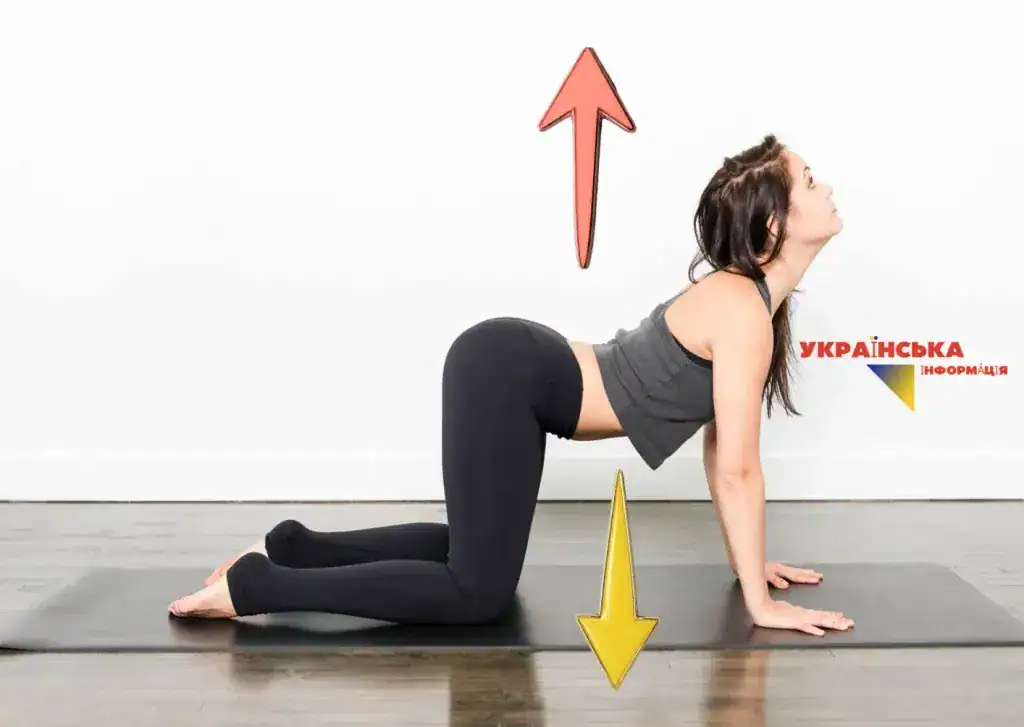
The best exercise for spinal mobility and tension relief.
- Technique: Get on all fours (palms under shoulders, knees under hips). As you inhale, arch your back down, lifting your head and tailbone (cow). As you exhale, round your back as much as possible, pressing your chin to your chest (cat).
- Recommendation: Move smoothly, synchronizing movement with breathing.
- Contraindications: Wrist injuries, acute back pain.
2. Bird-dog
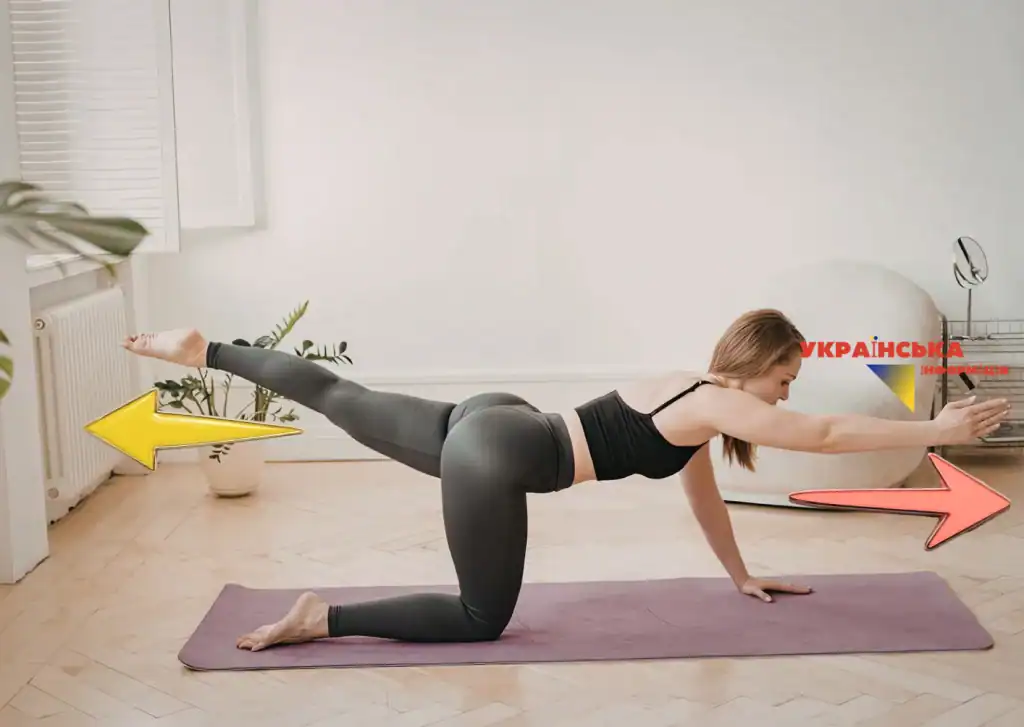
An exercise for coordination and deep strengthening of the back muscles.
- Technique: Starting position: on all fours. Simultaneously extend your right arm forward and your left leg back until it is parallel to the floor. Hold for 2-3 seconds.
- Recommendation: Do not slouch; your body should form a straight line.
- Contraindications: Balance disorders, acute lumbar hernias.
3. Gluteal bridge
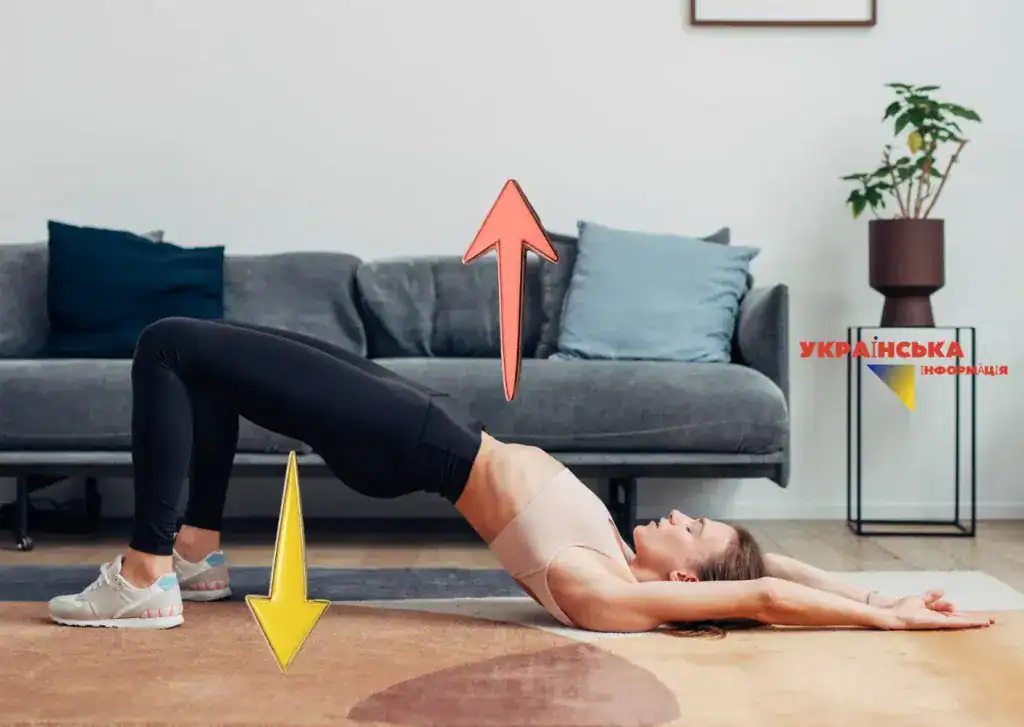
Strengthens the posterior chain: buttocks, back of the thigh and lower back.
- Technique: Lie on your back, bend your knees. As you exhale, lift your pelvis up to a straight line from your shoulders to your knees. As you inhale, slowly lower it.
- Recommendation: Squeeze your buttocks at the top point.
- Contraindications: Last trimesters of pregnancy (without consultation), knee injuries in the acute phase.
4. Plank
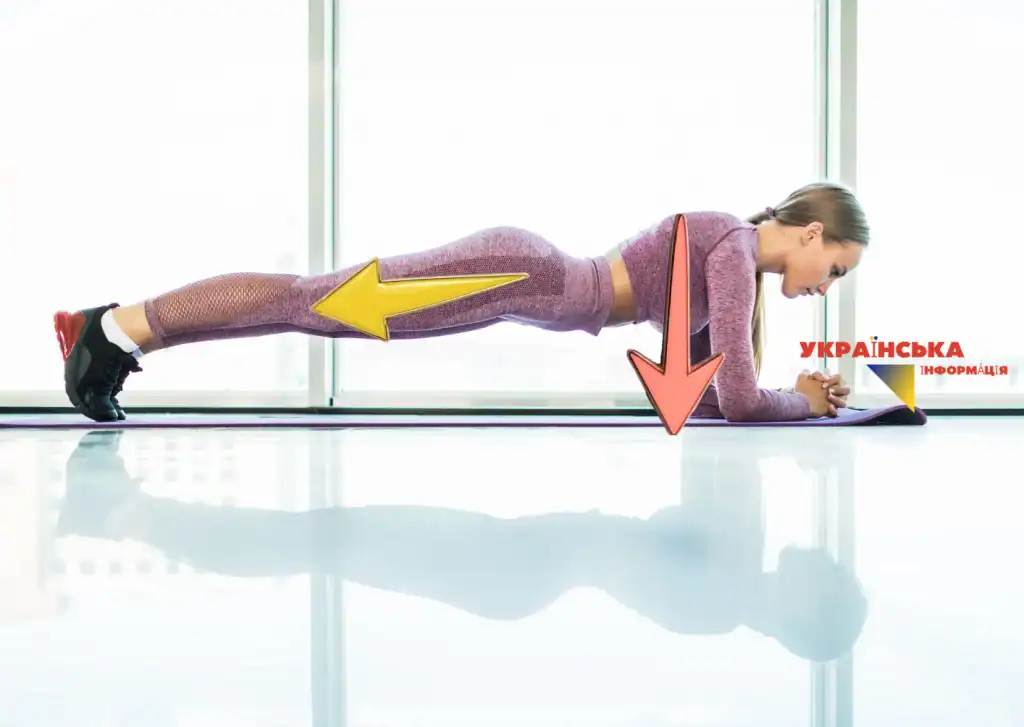
Basic exercise for the whole body.
- Technique: Focus on your forearms or palms. Body in a straight line. Tighten your abs, buttocks, and legs. Do not allow your lower back to sag.
- Recommendation: Start with 20–30 seconds, gradually increasing the time.
- Contraindications: Intervertebral hernias (exacerbation period), high blood pressure.
5. Child’s pose
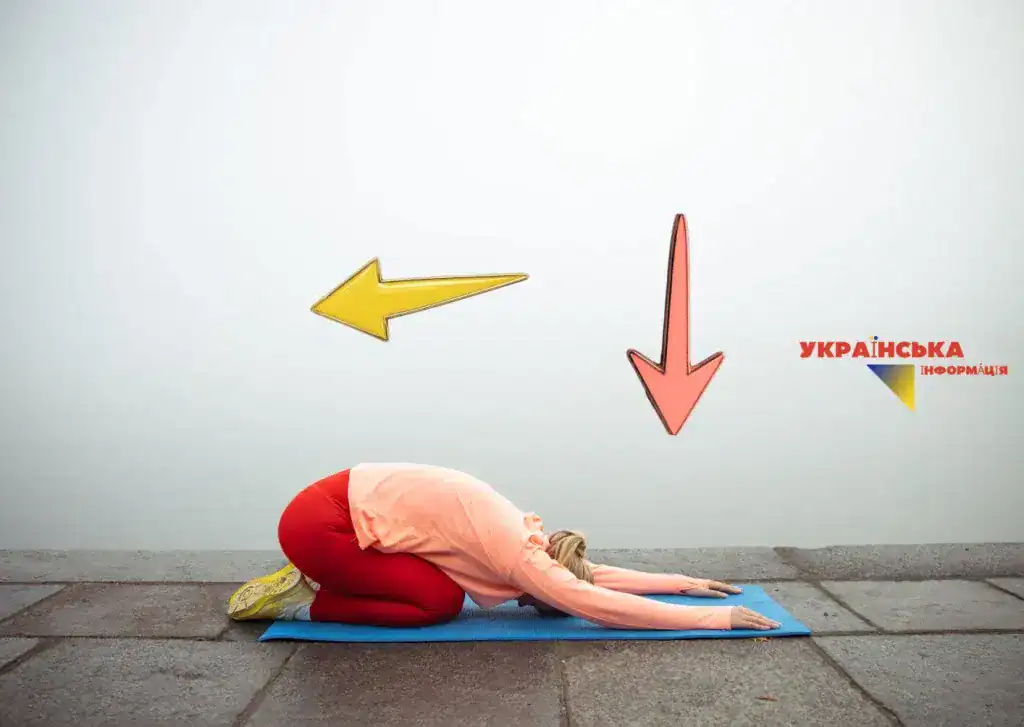
Exercise for relaxing and stretching the lower back.
- Technique: Sit on your heels, knees slightly apart. Lean forward and extend your arms on the floor in front of you, resting your forehead on the mat.
- Recommendation: Breathe deeply, feeling your back relax.
- Contraindications: Knee or ankle injuries.
6. Dead beetle

A safe exercise for the abs that doesn’t overload the lower back.
- Technique: Lie on your back, raise your arms and legs up (knees bent at a 90° angle). Slowly lower the opposite arm and leg to the floor, keeping your lower back on the mat.
- Recommendation: The main thing is to keep your lower back constantly pressed to the floor.
- Contraindications: Severe diastasis (after childbirth).
7. Cobra Pose
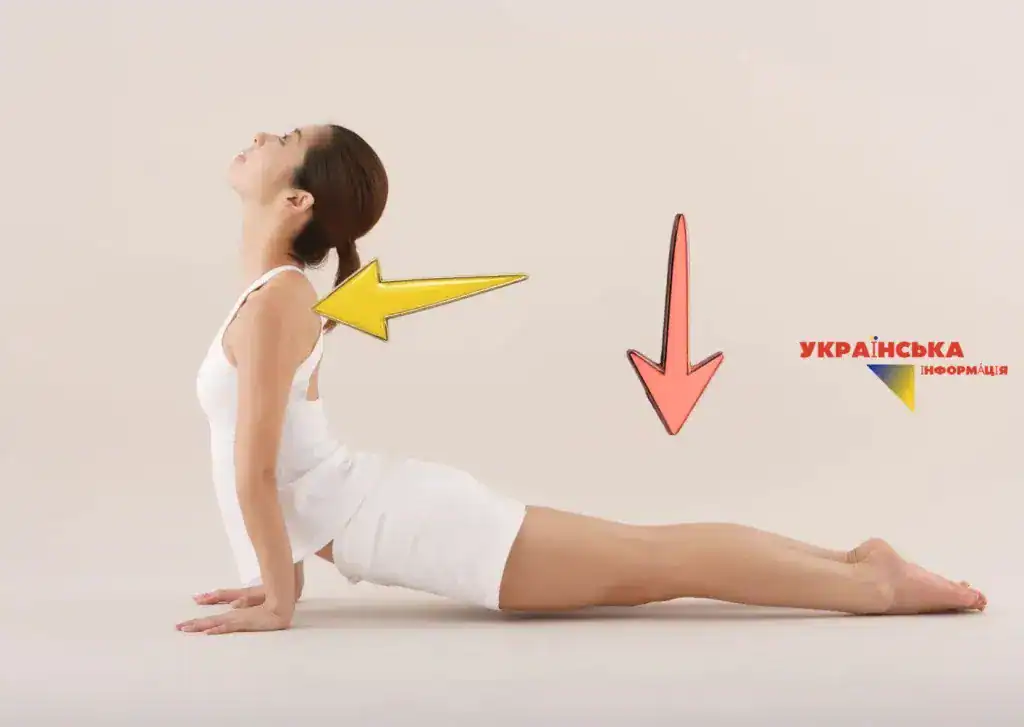
Soft extension (deflection) to open the chest.
- Technique: Lie on your stomach, palms by your shoulders. As you inhale, slowly lift your chest, pushing off with your hands. Lower your shoulders down.
- Recommendation: It is not necessary to fully straighten your arms if you feel discomfort in your lower back.
- Contraindications: Spinal stenosis, spondylolisthesis.
8. Side plank

Working on the oblique abdominal muscles and stabilizing the pelvis.
- Technique: Lie on your side, resting on your forearms. Lift your pelvis so that your body is straight.
- Recommendation: If difficult, lower your lower knee to the floor for support.
- Contraindications: Shoulder joint injuries.
9. Wall squats
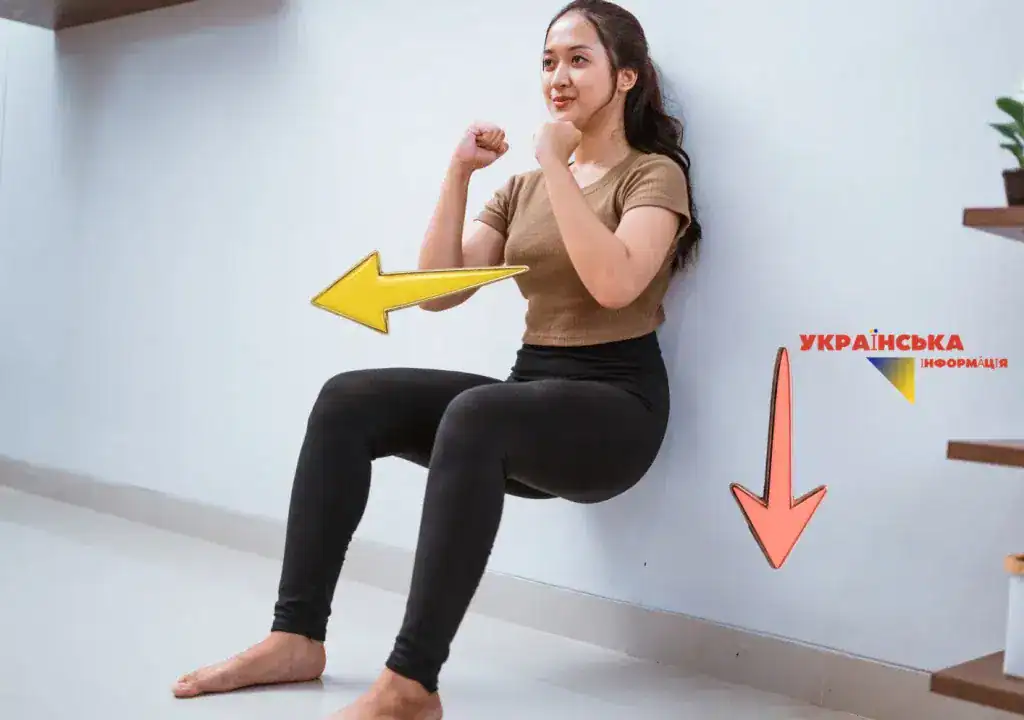
Strengthens the legs and teaches you to keep your back straight.
- Technique: Press your back against the wall and “squat” to a 90° angle at your knees. Hold the position.
- Recommendation: Make sure your knees don’t go beyond your toes.
- Contraindications: Problems with knee joints (arthritis, arthrosis).
10. Shuttle

Emphasis on the spinal extensor muscles.
- Technique: Lie on your stomach, arms extended forward. Simultaneously lift your chest, arms, and legs off the floor. Hold for a second and lower.
- Recommendation: Look at the floor to avoid straining your neck.
- Contraindications: Osteochondrosis in the acute stage.
Table: How often to perform?
| Goal | Number of exercises | Frequency |
| Morning exercise | 3–4 (Cat, Bird-dog, Bridge) | Daily |
| A complete workout | All 10 exercises | 3 times a week |
| Office warm-up | 2–3 (Cat, Child’s Pose) | Every 2 hours of work |
How to sit, stand, lift weights, and sleep properly
- Correct posture is the spine, the spine should always be straight. No arches or slouching of the spine.
- Lift the load correctly (“from the legs” technique), that is, by transferring the weight to the legs.
- The best sleeping positions
Nutrition and Supplements That Help the Spine
- Collagen, vitamin D3 + K2, magnesium, omega-3
- Foods that are good for cartilage and ligaments
Conclusion
Back pain is not a death sentence. Most cases can be significantly improved or completely resolved with the right approach. Do a 5-minute back warm-up, then adjust your workplace so that your back is straight and your arms are at 90 degrees on the table, start doing 3 basic exercises every day and monitor your posture. Also, drink plenty of water and add omega-3 foods to your diet. Don’t forget about sleep, sleep on an orthopedic mattress.
If necessary, consult a specialist. Be patient – the result comes gradually!