

The Ukrainian power system continues to take daily hits, in addition to direct missile attacks and drone strikes, the situation is also complicated by significant heat in Europe and Ukraine. However, in these extremely difficult conditions, the energy supply is holding up, and there are even regions of Ukraine where the lights will not be turned off at all, and the schedules will be canceled completely.
The energy system in Ukraine, in its 5th year of ongoing full-scale invasion, is forcing the government and Ukenergo to seek flexible solutions to balance the network while minimizing discomfort for citizens. Already these days, power outage queues have been canceled in most regions.
Read also: Power outage schedules for 2026: where to find your group?
Anatomy of a crisis: why does a generation deficit occur?
Massive attacks on generation facilities (thermal power plants, hydroelectric power plants, substations and transformers) combined with increased demand from the population during the peak summer heat when everyone turns on powerful appliances, such as air conditioners for cooling, refrigerators for food, irons and other appliances, thereby creating a significant electricity deficit that is not covered by a decrease in generation in the power system.
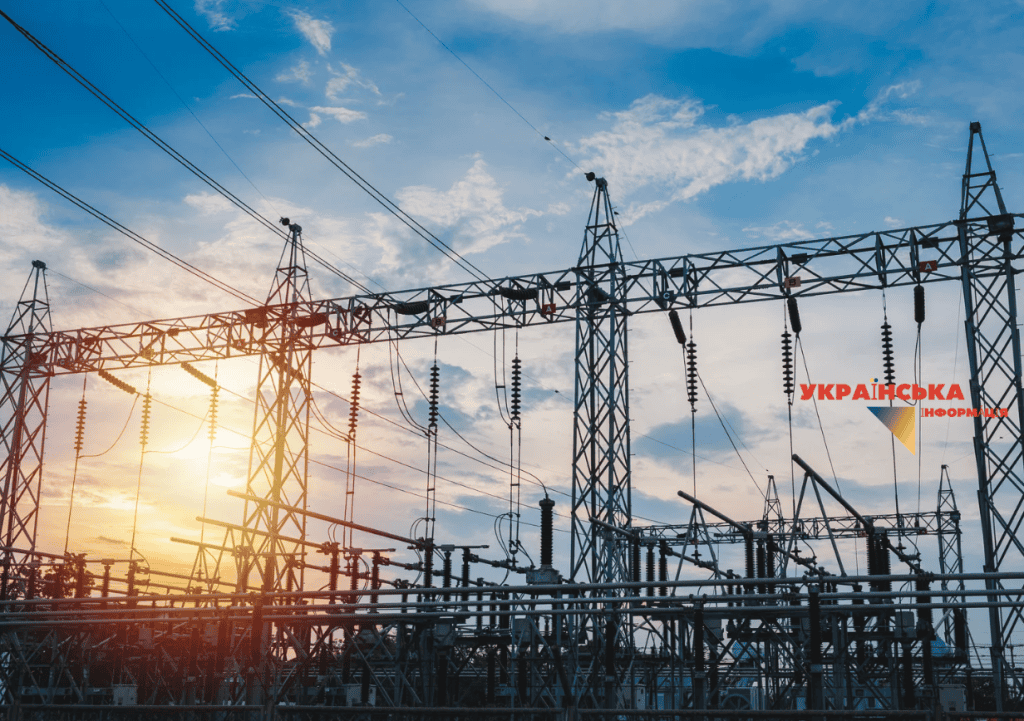
At the same time, when consumption exceeds the capacity of electricity production, NPC Ukrenergo is forced to introduce consumption limits for each region, and those, in turn, such as Kyiv or Odessa power grids, introduce disconnection groups to evenly distribute the available resource.
All regions are divided into so-called blackout zones (queues). However, prolonged power outages in some areas create a critical humanitarian burden. That is why Emergency Power Outages may be introduced when even the schedule does not work.
Ministry of Energy’s decision: who is completely exempt from the schedules?
The Cabinet of Ministers of Ukraine adopted a separate Resolution No. 1260 dated November 1, 2024 on amendments to the other two Resolutions No. 600 and No. 856, which changed the procedure for determining and applying the maximum values of electrical power consumption. The joint decision of the Ministry of Energy and the Cabinet of Ministers of Ukraine clearly defines the list of facilities and territories where hourly outage schedules (HWS) will no longer apply. The light will be on there constantly, except for purely emergency situations or repair work after shelling.
It is important to understand: The cancellation of schedules for certain categories is not a “privilege”, but a strategic step to preserve the country’s livelihood and support those who are at the epicenter of danger.
1. Frontline territories and security zones
For ordinary citizens from the private sector and households, relief will be felt by people who are under enemy fire every day. They are now exempt from scheduled power outages, this includes all:
- Settlements within a 20-kilometer zone from the front line (of active or possible hostilities).
- Settlements within a 20-kilometer zone from the state border with the Russian Federation and the Republic of Belarus.
In these areas, the humanitarian situation is often already critical, due to artillery shelling, drone strikes, and the complexity of logistics and food supply, so uninterrupted power supply becomes a matter of survival, like the operation of pumps and water pumps, or communication stations and emergency services.
2. Critical infrastructure
The updated list clearly lists critical facilities on which national security and the life of cities depend:
- Medical facilities: Large multi-specialty hospitals, hospitals, and operating rooms.
- Water and heating networks: Facilities that provide centralized water supply and drainage.
- Military facilities and defense sector enterprises: Factories operating to provide defense forces.
- Communication facilities: Key nodes that keep the Ukrainian network in working order.
3. Energy-autonomous businesses and apartment buildings on generators and solar stations

It is important not to forget that during the summer season and beyond, the state additionally stimulates enterprises and apartment buildings to invest in their own energy independence by obtaining grant funds or funds raised under other state programs to purchase power plants, generators, windmills, etc.
The schedules will also not apply to industrial facilities that:
- They import at least 90% of the electricity they need.
- Or cover at least 60% of their own consumption through generation at their own facilities (gas piston, solar stations, industrial batteries).
Comparison table: power supply modes
For clarity, let’s consider how restrictions are distributed between different categories of consumers:
| Consumer category | Outage status | The main condition for continuity |
| Critical infrastructure | Completely canceled | Inclusion in the official register of the Ministry of Energy |
| Frontline and border areas | Completely canceled | Geographical location within 20 km of the border |
| Energy-autonomous enterprises | Planned GPVs canceled | Import 90% or own generation from 60% |
| Household consumers (other zones) | They operate according to queue schedules. | Depends on the overall deficit in the system |
Energy security and system relief
These changes are not being implemented haphazardly for the “privileged”, but based on real requests to solve critical problems, without which there can be no normal functioning of systems and mechanisms to ensure the basic needs of vulnerable categories of people.
If previously there was a problem when ordinary residential buildings were connected to the line of a critical facility (for example, a hospital), which is why they were not turned off either, now this situation has been resolved by creating a clear criterion that is not subject to disconnection in the event of a power shortage in the region or in the country as a whole.
Read also: How to save money on a low salary
Currently, the process of maximum “recommuting” and separation of lines is underway, separating critically important facilities listed in the CMU Resolution from ordinary private institutions and apartment buildings. This will allow only those who really need it to have electricity, according to the law, to be fairly left with electricity, and the remaining capacity to be distributed as fairly as possible among residential neighborhoods in the order of the queue according to the schedules.
Want to receive more news on this topic? Subscribe to our Telegram or Viber by clicking on the text!