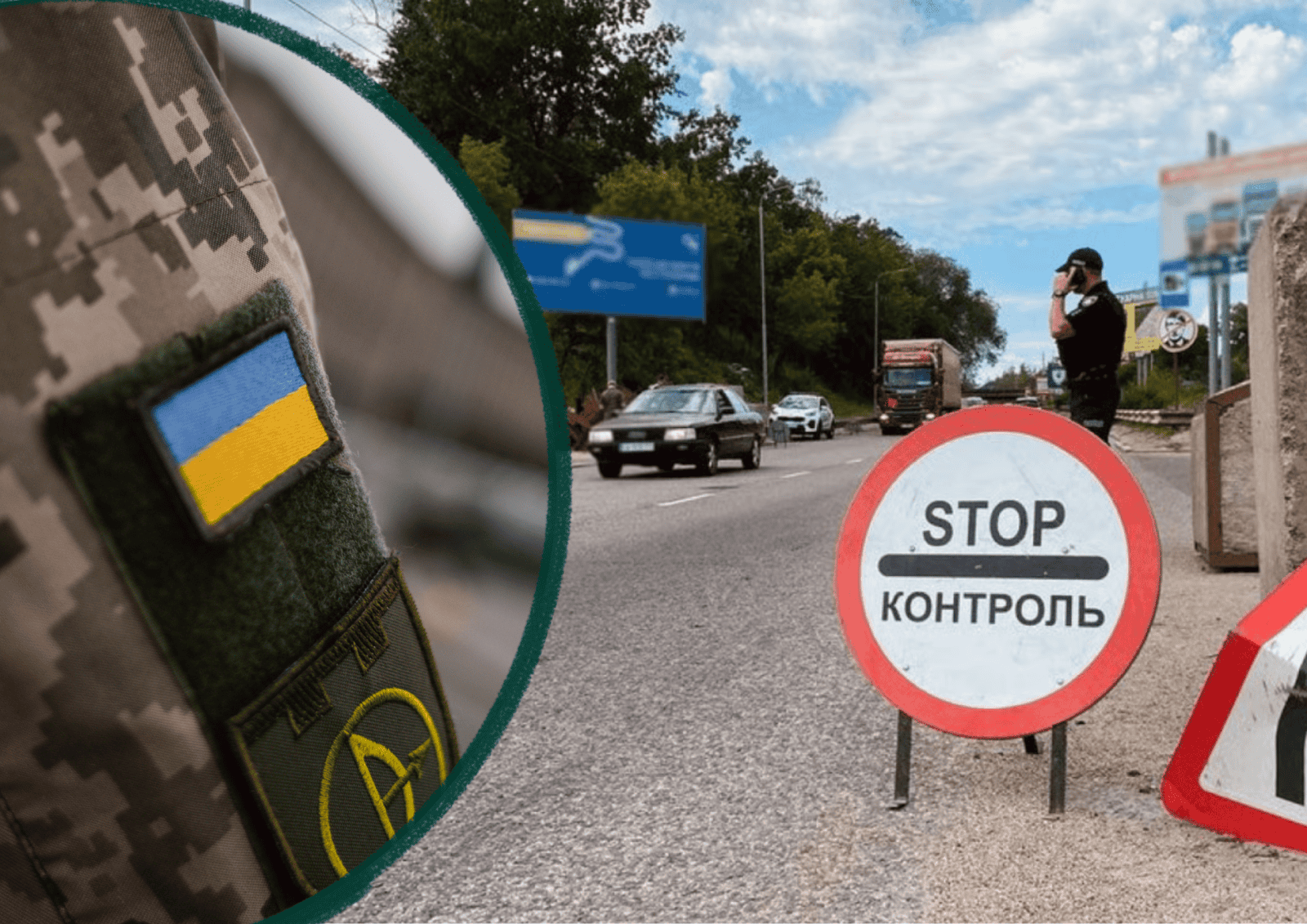
Almost every day, there are posts on social networks where drivers report their experiences with checks at stationary or mobile checkpoints throughout Ukraine. Often, in addition to the police or border guards themselves (within a 20+ kilometer zone from the state border of Ukraine), mobile alert groups from local territorial recruitment and social support centers are also present at such checkpoints.
So, in this article, we have prepared a detailed explanation based on the statement of the Kyiv Regional CCC and the Joint Venture about: how documents are scanned by scanning a QR code, where and when you can get a summons, how it is served, and is it possible not to be contacted by it if you are on the road on business?
Read also: What to do if Reserve+ doesn’t work: a complete step-by-step guide
Setting up checkpoints and checking documents: how legal is it?
From the very beginning, it is necessary to assess the situation with a checkpoint (stationary or mobile) from the point of view of legislation, and this issue is currently partially regulated by Resolution of the Cabinet of Ministers of Ukraine No. 1455 of December 29, 2021 (on the procedure for establishing a special regime of entry and exit, restrictions on the freedom of movement of citizens, as well as the movement of vehicles in Ukraine where martial law has been introduced ).
Where it is indicated that a “ Blockpost ” or “Checkpoint (KPP)” is not just an improvisation on the spot, but a reinforced facility that is established exclusively by decision of the military command (for example, the commander of the Joint Forces or the commandant) in accordance with the procedure approved by the Resolution we mentioned above.
It is also determined that checkpoints can be both stationary (i.e. permanently operating) and temporary (mobile), without limitation to cities or streets or bypasses or specific sections of roads. The main condition under the legislation on the establishment of checkpoints is that the latter is set up at the entrance/exit from the territory where martial law is in force . In accordance with the Decree of the President of Ukraine On the introduction of martial law in Ukraine, it was introduced throughout the territory of Ukraine.
At checkpoints or checkpoints created during martial law, both military and police personnel can work (perform tasks) simultaneously, and sometimes representatives of the CCC as part of the notification groups approved by the list . This issue is already regulated by another Resolution of the Cabinet of Ministers of Ukraine No. 560 dated 16.05.2024 (on some issues of conscription of citizens for military service during mobilization) . Thus, upon request of the driver, a CCC employee must provide a supporting document (identity card, military ID) and documents confirming his identity.
Data updates and Reserve+: why is it important for drivers?
Most often, drivers report on the Internet that police officers or mobile alert groups ask to provide a military registration document with updated data. This can be either a QR code from the Reserve+ application or a physical extract with a readable QR code (printout of an electronic military registration document) – with data from the Oberig register about the driver.
If the data is updated on time, there is a postponement or reservation, the driver is not transporting prohibited items or other dangerous substances during a police inspection of the car (vehicles are inspected in detail by the police selectively at their own discretion or if there are suspicious signs), the car can safely continue driving.
Legal grounds for detention
In the event that drivers are found to have inaccuracies in documents, failure to update data, or other circumstances that indicate non-compliance with the rules of military service, they may issue and serve a summons on the spot according to the registry data. The CCC explains in detail that now summons can be generated both electronically using the Unified State Register of Conscripts, Military Enlisted Persons, and Reservists, and printed and issued on a form. At the same time, regardless of whether such a summons is issued electronically or in writing, it has the same legal force.
If the driver provided documents and after the inspection it was discovered that he is “wanted”, that is, has recorded violations of the rules of military service, he is subject to detention and delivery to the nearest territorial recruiting center for administrative prosecution with the drawing up of an administrative resolution.
Read also: How checkpoints are set up and summonses are served in Kyiv and Lviv: legal analysis
Police powers at checkpoints
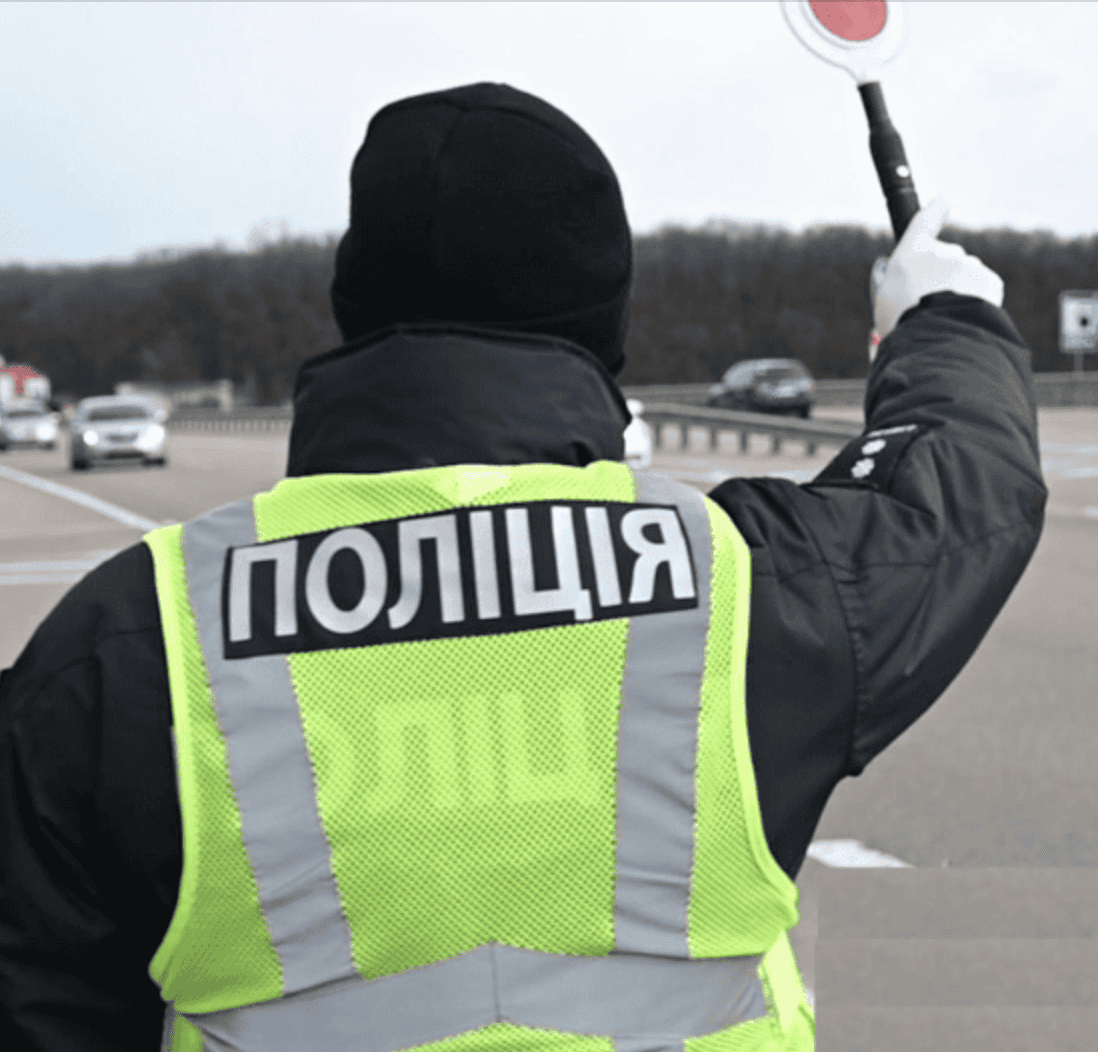
It is important because the CCC representatives themselves do not have the right to stop cars at checkpoints or on the road. Therefore, this is done by the national police in accordance with the Law on the National Police . Legally, it looks like the CCC simply additionally joins the patrol police group when checking vehicles and drivers at checkpoints, to ensure compliance with the rules of military uniform.
We also draw your attention to the fact that according to Resolution No. 1456 (which supplements Resolution No. 1455), the very fact of your driving through a legally placed checkpoint or checkpoint during the period of martial law legally gives its employees the right to:
- checking the documents of the driver and passengers;
- inspect the vehicle;
- to notify citizens.
Want to receive more news on this topic? Subscribe to our Telegram or Viber by clicking on the text!