
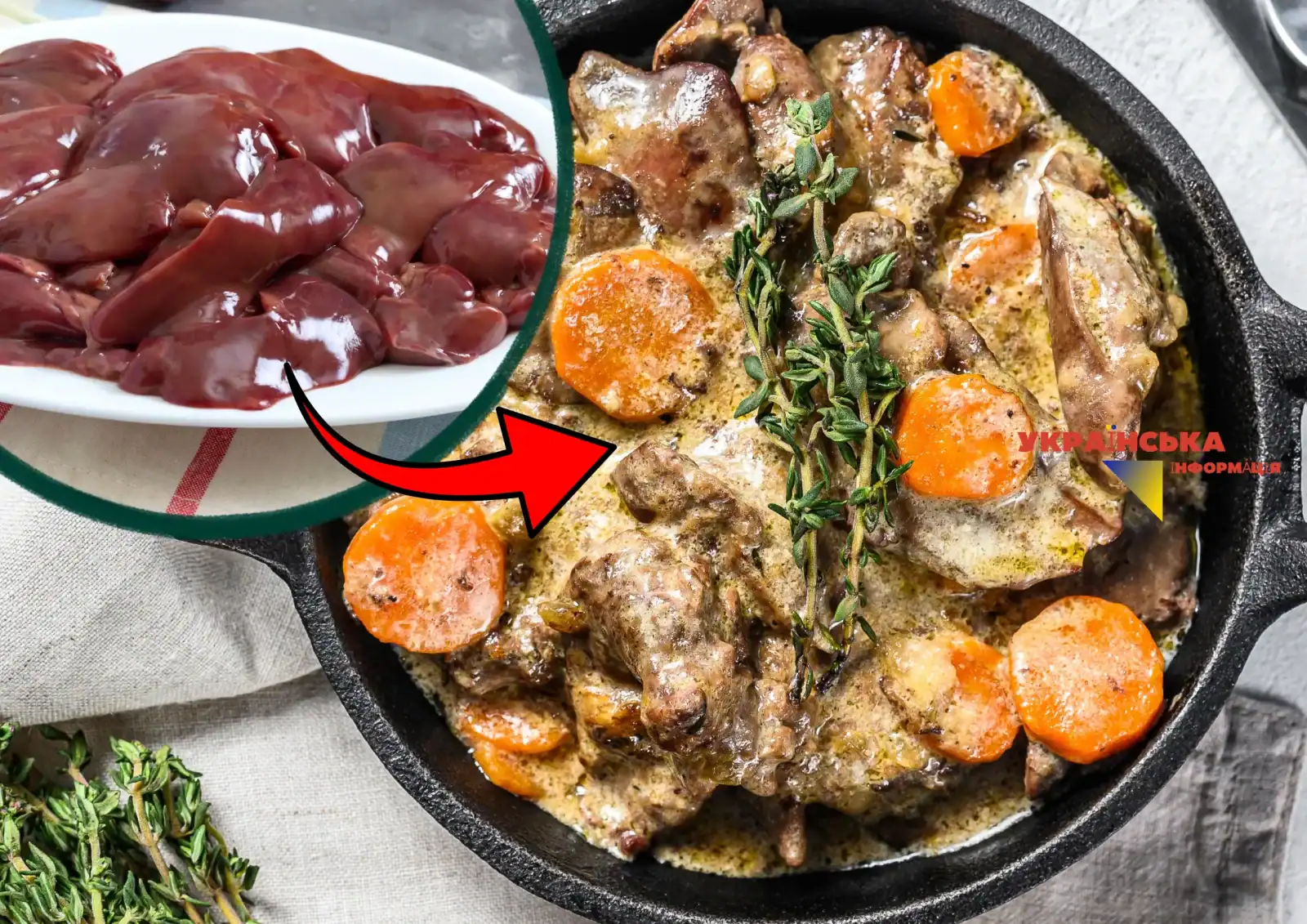
Few people know, but chicken liver is a unique offal that combines enormous benefits for the body, cheap price and speed in daily cooking. Liver is useful for both children and adults, because it is rich in iron, vitamins B, A and folic acid, which are often lacking in the body.
However, despite all its benefits, in many cultures it is rarely and professionally prepared, except for the usual frying in oil, and for novice cooks the liver often turns out to be dry, tough or begins to taste bitter. In order for chicken liver to melt in your mouth, you need to know a few simple but important rules for choosing, preparing and cooking. In this detailed guide, we will analyze all the subtleties of preparing this product and share proven recipes.
Read also: Thick blackcurrant jelly (jam) for the winter: A gelatin-free recipe that “has a spoon”
How to choose and prepare chicken liver for cooking (this is very important)
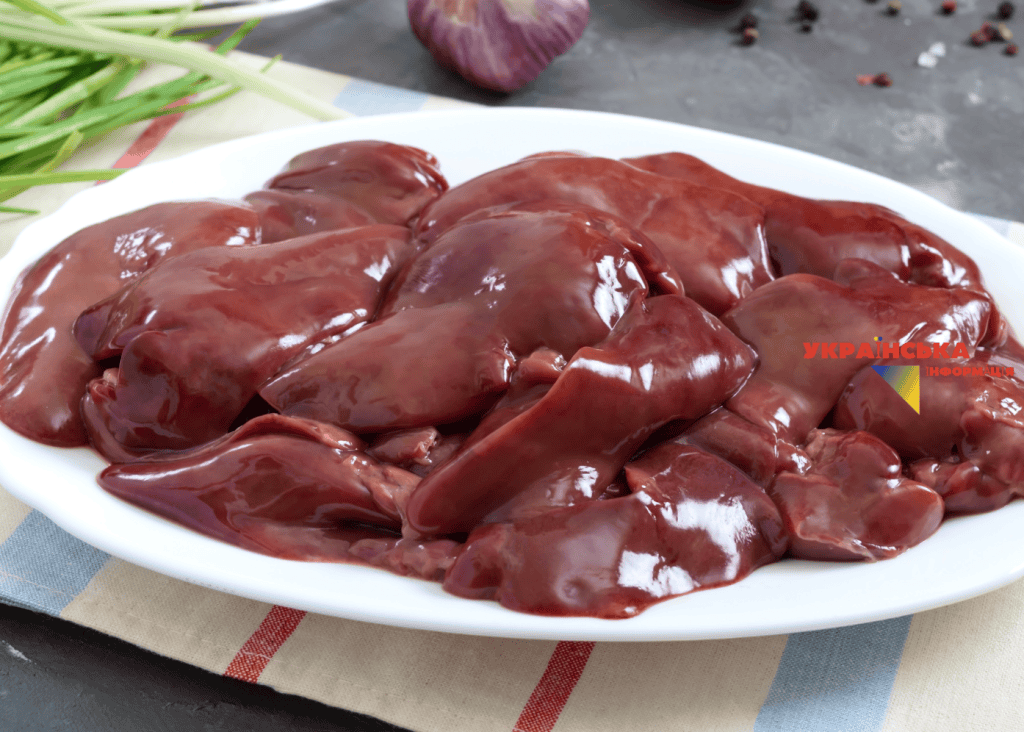
Chicken liver, if it is homemade, does not cause any unnecessary questions, but if it is purchased, it is important to understand what the diet of the chicken and the future chicken was, because everything negative from the diet when it was frankly “unhealthy” remains in this natural filter for a long time.
If you are sure of the quality of the raw materials, then let’s continue. The secret of a perfect dish begins in the store or at the market. A quality product is the key to a delicate taste without unpleasant odors.
- Appearance: Fresh chicken liver has a smooth, shiny, and moist surface. It should not have any dried edges or blisters (white, yellow, or any other color).
- Product color: The color should be uniform, brown-burgundy with a pleasant sweetish tint. Too light (yellowish) or too dark liver indicates poor quality or improper storage.
- No greenish spots: This is the most important marker. Green spots appear if the gallbladder was damaged during the bird’s dismemberment. Such a liver will be irreversibly bitter.
Step-by-step preparation for cooking:
- Thorough rinsing: Rinse the liver under cold running water to remove mucus and other food residue.
- Cleaning: Remove all connective tissue, veins, fat and blood vessels. Be sure to cut away any areas that may contain bile.
- Drying: Place the pieces on a paper towel or napkin. Dry liver will immediately form a crust when fried , which will trap all the juices inside. If you throw a wet liver into the pan, it will start to stew in its own moisture and become tough.
- Soaking (optional): Although chicken livers are tender on their own, you can soak them in cold milk or water for 20–30 minutes. This will remove any remaining blood and make the texture even softer.
Golden rules of cooking: how not to overdry the liver
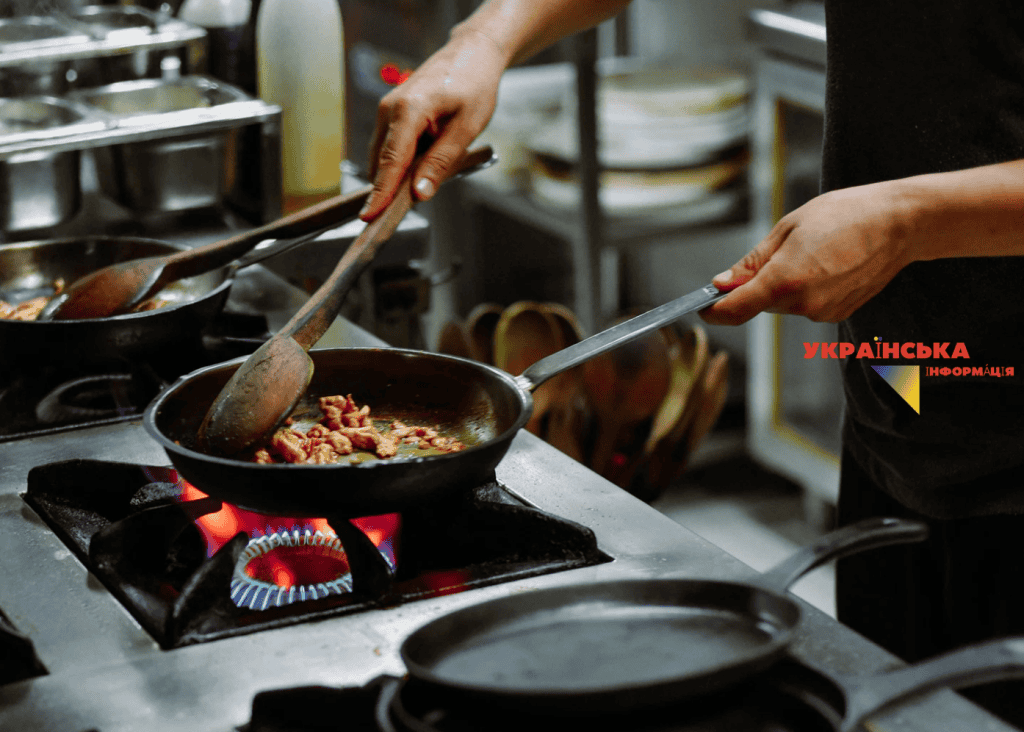
To prevent the by-product from turning into “rubber”, follow three main rules:
Rule #1: Add salt at the end. Salt draws out moisture and will dry out the product at the very beginning. That is, if you salt the liver at the beginning of cooking, it will give up all the juice and become dry. Add salt and spices 1–2 minutes before turning off the heat and removing the product from the pan.
Rule #2: High temperature and speed. Chicken liver cooks instantly. It should be placed on a well-heated pan with oil or butter and fried for 2–3 minutes on each side. If you cook it longer, you lose its beneficial properties and the product itself turns into chewing gum.
Rule #3: Don’t overload the pan. Place the pieces in a single layer with some distance between them, otherwise the temperature in the pan will drop and the liver will start to release juice instead of frying.
Classic recipe: Chicken liver in sour cream sauce with onions (unsurpassed taste)
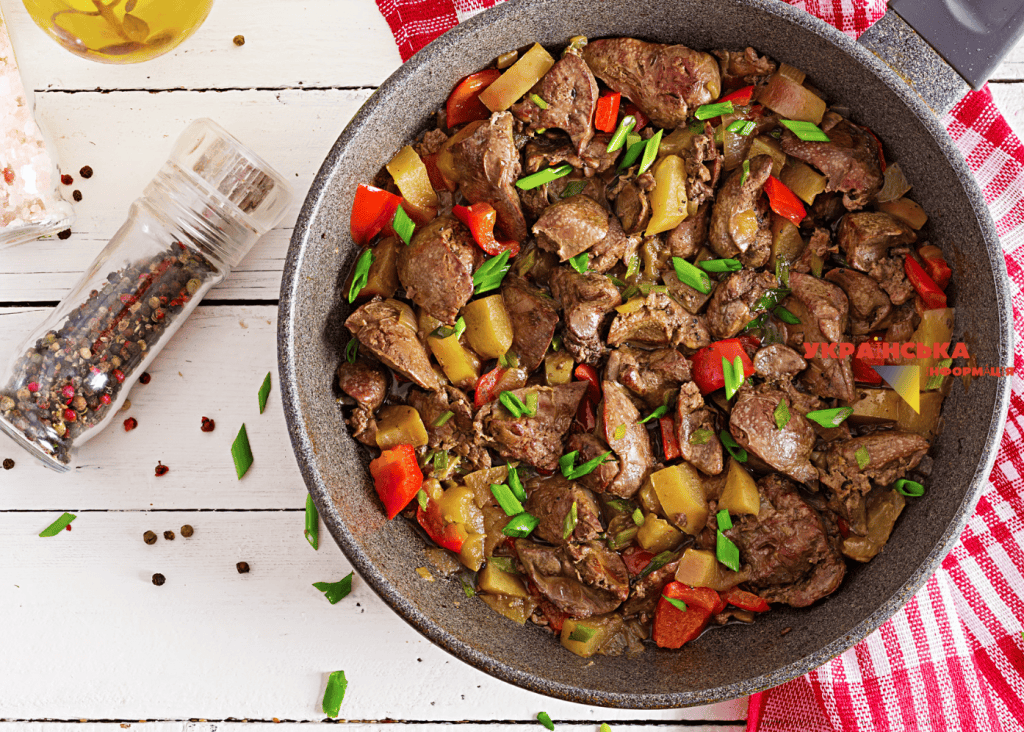
This is the most popular and win-win way to prepare it for both guests and children to eat. Sour cream adds a pleasant sourness and creamy aroma, and onions emphasize the tenderness of the offal.
Ingredients:
- Chicken liver — 500 g
- Onion (large) – 2 pcs.
- Sour cream (fat content 15–20%) — 4–5 tbsp.
- Flour (for breading) – 2 tbsp.
- Butter — 30 g (for a delicate taste)
- Vegetable oil – 2 tbsp.
- Salt, ground black pepper – to taste
- Nutmeg – a pinch (perfect for liver)
Step-by-step instructions for cooking chicken liver with sauce
- Caramelize the onions: Slice the onions into thin half rings. Heat a mixture of vegetable oil and butter in a frying pan. Sauté the onions over medium heat until soft and lightly golden (about 5–7 minutes). Remove the onions from the frying pan to a separate plate.
- Breading: Cut the prepared dried liver in half (into natural slices). Roll each piece in flour. The flour will create a thin protective coating that will seal in the juices inside.
- Quick sear: In the same pan where you fried the onions (add a little more oil if needed), place the liver in a single layer. Sear over high heat for 2-3 minutes on each side until nicely browned. The inside should still be slightly pink but not raw.
- Combine ingredients: Return the fried onions to the liver. Reduce heat to low.
- To make the sauce: Add the sour cream. If the sour cream is too thick, you can add 2–3 tablespoons of warm water or broth. Mix thoroughly.
- Final stage of preparation before serving and consumption: Only now add salt, black pepper and nutmeg. Simmer everything together under a lid on minimum heat for only 3–4 minutes .
- Resting the dish: Turn off the heat and let the dish sit, covered, for another 5 minutes before serving.
Cooking methods and times (cookie in the table for convenience)
Depending on what dish you plan to create, the cooking time for chicken liver will vary. Use this handy table:
| Cooking method | Optimal time | Features and culinary tricks |
| Frying in a pan | 5–7 minutes | Fry over high heat in a single layer, stirring or turning the pieces constantly. |
| Stew (in sauce) | 10–12 minutes | First, fry for 3 minutes, then simmer in sour cream, cream or tomato over low heat. |
| Baking in the oven | 15–20 minutes | Bake at 180°C. It is better to bake under a layer of vegetables, cheese, or in foil to preserve juiciness. |
| Cooking (for pâtés/salads) | 10–15 minutes | Place only in boiling water. Add bay leaf and allspice for flavor. |
Alternative ideas: what else to cook with chicken liver
If you are already familiar with the classic sour cream recipe, try diversifying your menu with the following dishes:
- Delicate French pâté: Boiled or stewed liver in butter is blended in a blender with sautéed onions, carrots, and a pinch of cognac or nutmeg. The pâté is topped with melted butter and cooled.
- Warm salad: Fried chicken liver is placed on a pillow of mixed lettuce leaves, caramelized pear or fresh strawberries are added, Dorblu cheese is added, and a balsamic vinegar and honey sauce is poured over it.
- Liver Stroganoff: The offal is cut into strips, quickly fried, and stewed in a sauce of cream, tomato paste, and finely chopped pickles.
Chicken liver is a modern vitamin hub, it is recommended for use both in summer and in winter when vitamins are lacking. Remember that any liver is a kind of universal canvas for culinary creativity, where there are many different recipes for how to cook it quickly and tasty with a minimum of ingredients.
If you found the article useful, share it with your friends on Facebook or with your relatives on Viber!
Want to receive more news on this topic? Subscribe to our Telegram or Viber by clicking on the text!