
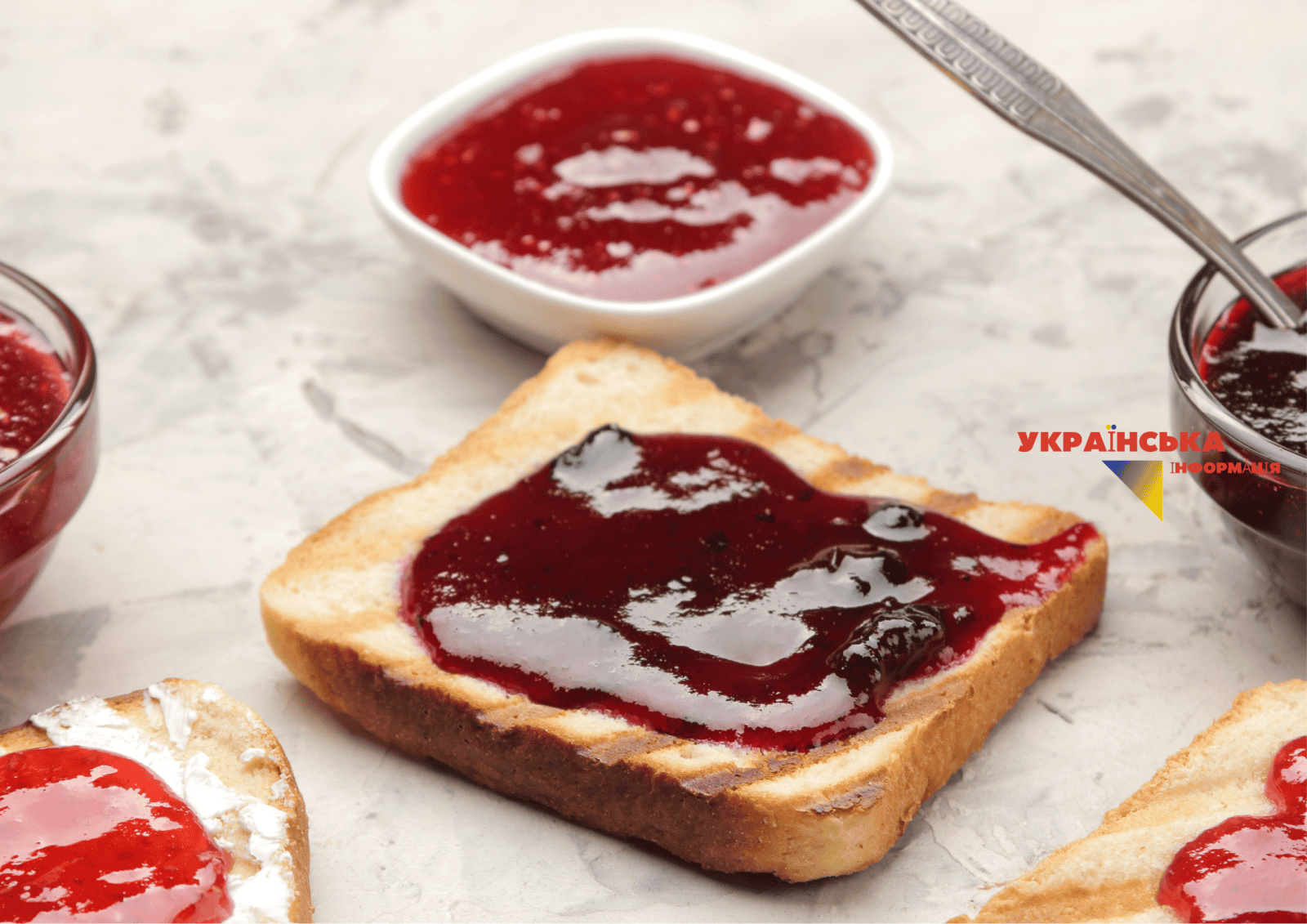
Blackcurrant is an ancient elixir of health that was known long before the advent of modern medicine, because this real superfood is a first aid kit for our climate, a record holder for the content of vitamin C, which is so necessary for colds in winter. But you must admit, classic currant jam with skins and small stones is often not liked by children and adults too, because everything is too tart and sticky. Another thing is a beautiful clean, transparent, ruby, incredibly thick jelly that can be spread on morning toast or added to pastries and savored with pleasure with milk, tea or coffee. Even children are delighted!
Many housewives have their own secrets on how to cook blackcurrant jam and believe that for a thick texture you definitely need gelatin, agar-agar or pectin from a bag. However, as the author of the article, who has researched this issue and consulted with chefs, I can declare this as the main culinary myth! In this article, we will analyze how to cook without dyes, preservatives, thickeners and gelatin a classic recipe for perfect blackcurrant jam (jelly), which hardens on its own thanks to the magic of nature itself.
Read also: Church calendar for August 2026 in the new style by day: holidays, name days, fasting
Why does blackcurrant jelly itself perfectly?
The secret lies in the natural composition of blackcurrants themselves. Currants (especially slightly unripe, but not green) contain a huge amount of natural pectin , which is a substance that, when interacting with sugar and heating, forms a thick jelly-like network.
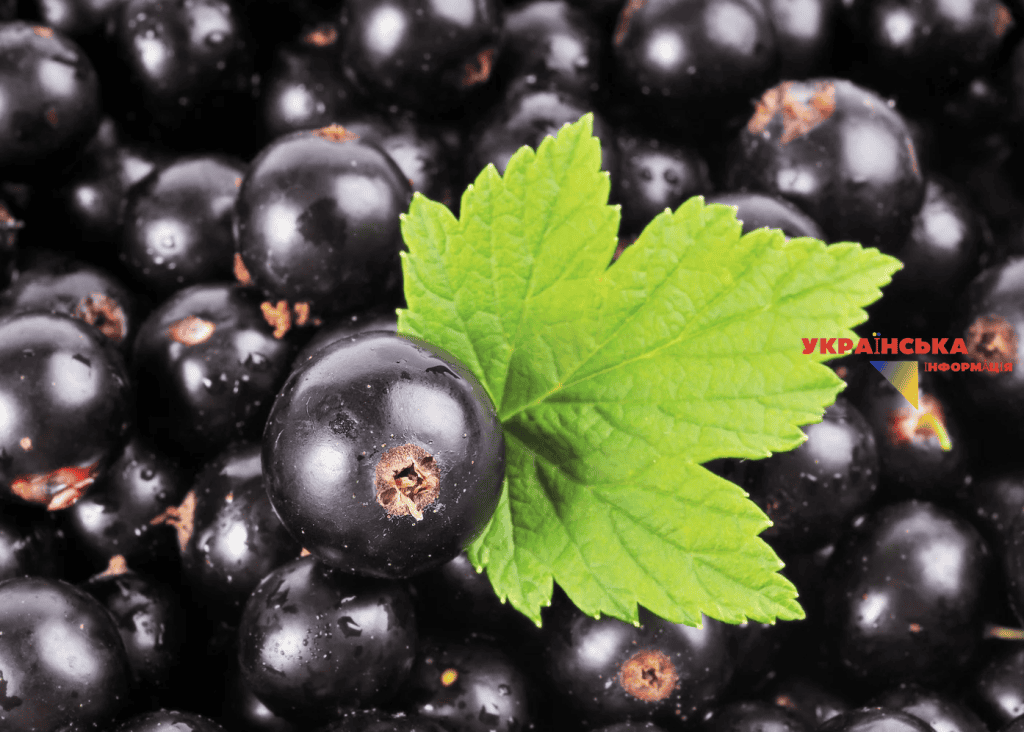
You don’t need any artificial thickeners like jelly, agar-agar, etc. The main thing is to clearly follow our exact recipe for making jam and strictly adhere to the correct proportions and evaporation technology.
Basic ingredients: Nothing extra
To make the perfect jelly, we need a minimum of ingredients. The proportion of sugar must be precise, because it is it that reacts with pectin.
| Ingredient | Number | Function in the recipe |
| Blackberry | 1 kg | Source of juice and pectin |
| Sugar | 1 kg | Preservative and thickening catalyst |
| Water | 100 ml | For initial steaming of berries |
Step-by-step technology: How to make the perfect jelly
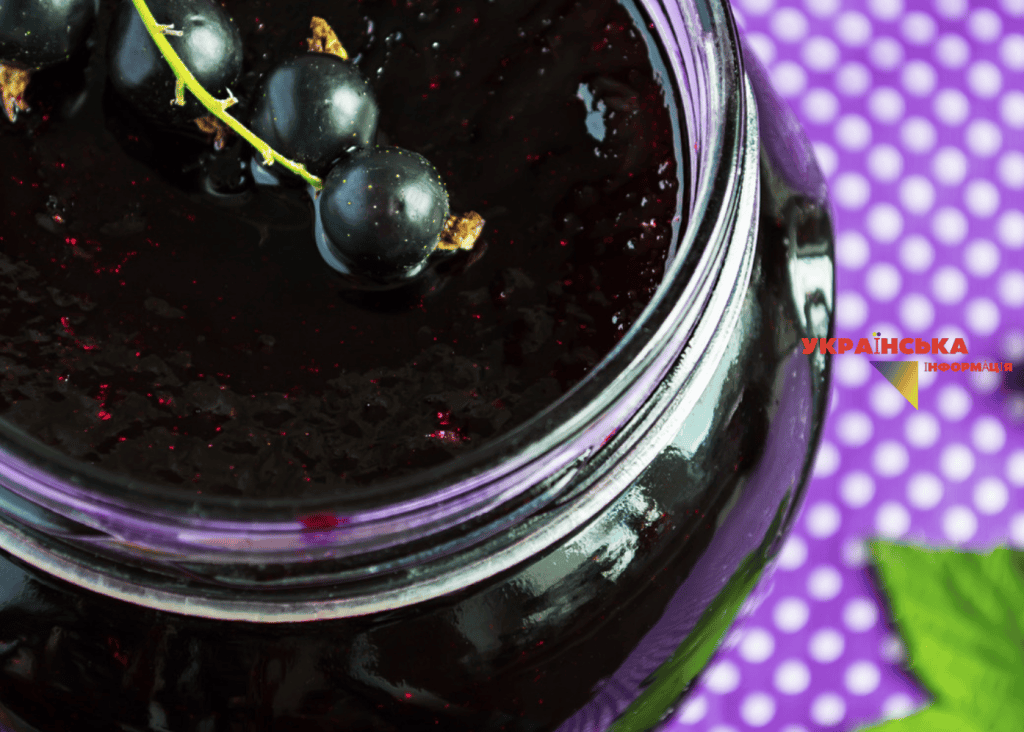
The cooking process takes a little longer than a regular five-minute jam, but the result is worth it because they will eat it with great desire.
Step 1: Preparing the Berries
Rinse the currants thoroughly in cold water.
My personal time-saving hack: For this recipe, you don’t need to cut off the stems and twigs ! We’ll still grind the mass through a sieve, and all the cake will remain there. This will save you hours of monotonous work.
Step 2: Steaming
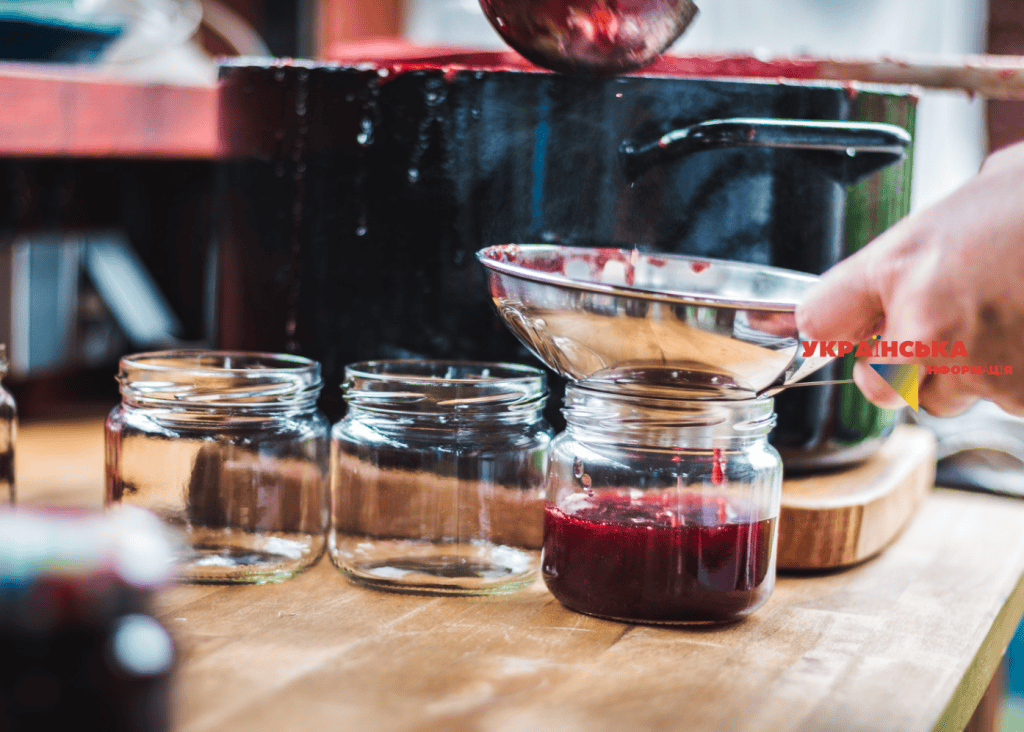
Transfer the berries to a large, thick-bottomed saucepan, add 100 ml of water (so that the berries do not burn in the first few minutes). Place over medium heat, cover and bring to a boil. Boil the currants for 5–7 minutes, stirring occasionally. The berries should burst and release a lot of juice.
Step 3: Grinding (obtaining the base)
Remove the pan from the heat. Pour the hot mass in portions onto a fine metal sieve and carefully mash with a wooden spatula or spoon. You will get a thick, smooth currant juice without seeds and skins. Do not throw away the remaining cake (cake) – you can cook a wonderful compote from it and treat children, guests or the whole family.
Step 4: Boiling with sugar
Pour the pure currant juice into a wide bowl or saucepan (the wider the bottom, the faster the excess moisture will evaporate). Add sugar in a 1:1 ratio to the volume of the resulting juice .
Place on the stove, bring to a boil, and cook over medium heat for 10–15 minutes . Be sure to skim off any foam that forms on the surface.
Step 5: Filling and cooling
The hot jelly will seem completely liquid to you, and that’s exactly how it should be in its normal form! Pour it into dry, sterilized jars.
Do not rush to close them with lids. Leave the jars open until they have cooled completely (you can cover them with gauze) the moisture will come out, and the jam will remain. During cooling, a dense film will form on the surface, and the jelly itself will “set”. Only after complete cooling, screw the jars with lids.
Main mistakes: Why didn’t the jelly thicken?
If your jelly has the consistency of syrup, most likely one of these mistakes was made:
- Overcooked: If you boil juice with sugar for longer than 20 minutes, the natural pectin is destroyed and the mass will remain liquid forever.
- Too much water: If you added more water while steaming the berries, the pectin concentration dropped.
- Wet jars: Even a drop of water on the walls of the jar can disrupt the solidification process and lead to fermentation. The jar must be perfectly dry and sterile after boiling or steaming.
Frequently Asked Questions (FAQ)
Can I use a blender instead of a sieve?
The blender will grind the seeds and skins into a fine fraction, but will not remove them completely. The mass will turn out thick, but the texture will be grainy (like jam), not smooth and transparent like classic marmalade jelly.
Where should currant jelly be stored?
Thanks to the high sugar content and natural acids of currants, this jelly keeps well even at room temperature in a dark pantry or kitchen cupboard for up to two years.
Read also: How to cook beans so they don’t crack and melt in your mouth: golden rules and chefs’ tricks
Can I reduce the amount of sugar?
Yes, but it will affect the thickness. If you take sugar in a proportion of, for example, 0.6 kg per 1 kg of juice, you will get a delicious currant sauce for pancakes, but a dense texture that “sticks to a spoon” will not work.
If you liked the article and found it useful, please share it on Facebook or Viber.
Want to receive more news on this topic? Subscribe to our Telegram or Viber by clicking on the text!