
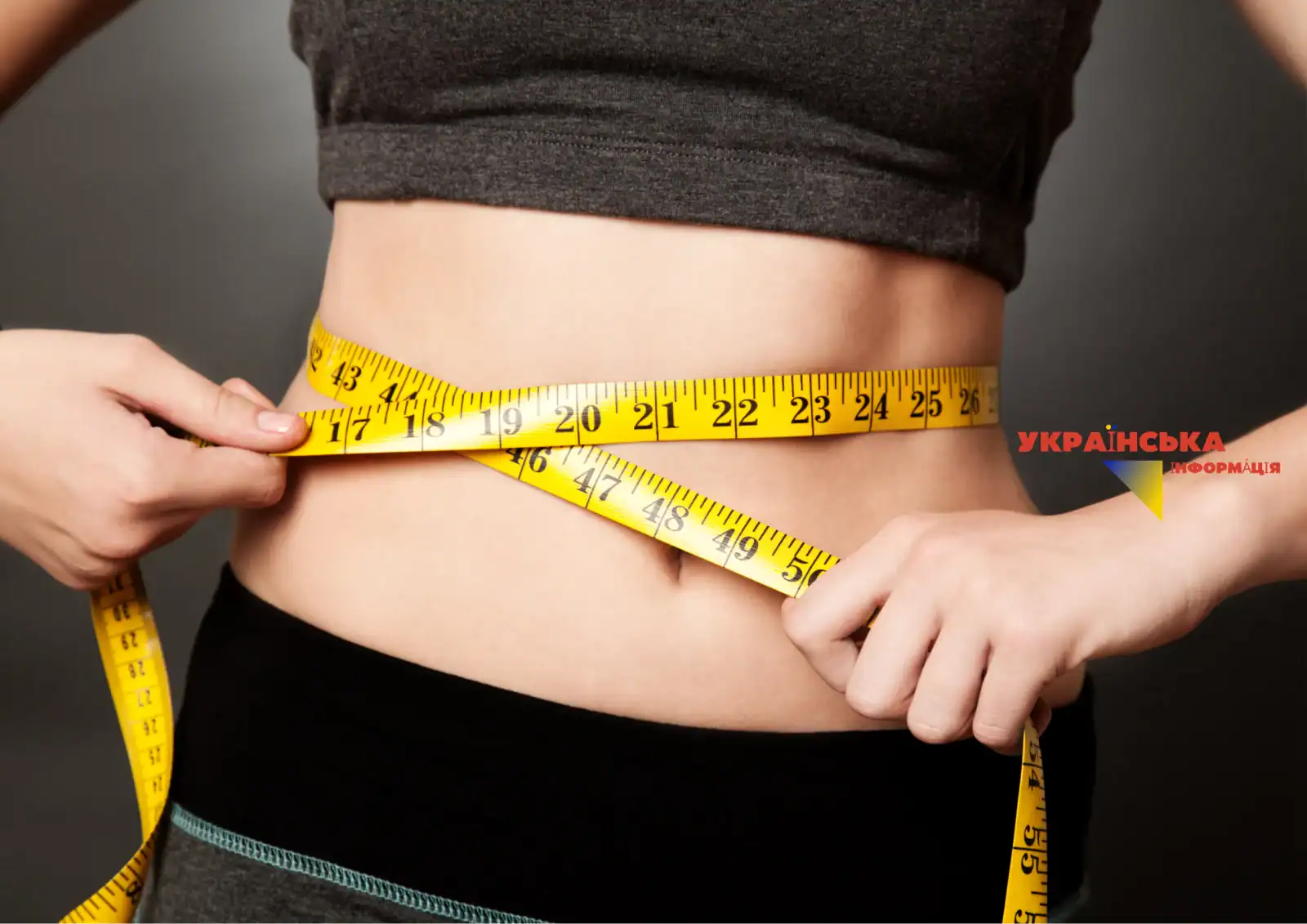
Many people want to lose 10 kg in a month during the spring-summer period , this is proven at least by the fact that this is one of the most popular queries on the Internet. However, often among those who dream of quickly getting in shape for the summer, a holiday or an important event, the first question they ask is “is it possible to do this without harm to health?” .
So in this material, our editorial team of Ukrainian Information, with reference to scientific research and medical recommendations, will analyze what science says about rapid weight loss , which methods really work , and how to do everything as safely as possible at home ?
Important warning: Losing 10 kg in 30 days is an extreme pace. For most people, it is dangerous and often leads to muscle loss, hormonal disruptions, a slowdown in metabolism and the yo-yo effect . A healthy and sustainable rate of weight loss is 0.5–1 kg per week (i.e. a total of 2–4 kg per month). If you still decide to go for 10 kg, do it as wisely as possible and under the supervision of a doctor ( be sure to first examine yourself and consult for contraindications ).
Read also: How to deal with stretch marks on the body: what really works and what is just advertising
Is it realistic to lose 10 kg in a month?
From a scientific point of view, yes, it is possible , but only with a very severe calorie deficit (about 1000–1200 kcal per day), but in fact this is an overload on the body and all internal organs. And most scientific studies show that at this rate:
- 25–30% of the weight lost is muscle mass (not fat).
- The risk of failure and weight gain back increases significantly (even with a larger “+” than at the beginning of weight loss).
- Deteriorating hormonal levels (decreased leptin and thyroid hormones) are a big problem, especially for women and young people.
Therefore, the main rule: speed should not harm health .
Scientifically proven principles of fast but relatively safe weight loss
- Large but controlled calorie deficit . The first rule to lose 10 kg of fat in a month is to create a deficit of approximately 1100–1200 kcal daily. This is only possible with a combination of diet and exercise.
- High protein intake . The second rule of thumb that research shows is that when losing weight, you need 1.6–2.2 g of protein per kg of body weight to keep your muscles healthy and in shape.
- Strength training . The third rule says that the best way to preserve muscle during a major deficit is to physically exercise it.
- And remember : Sleep deprivation and stress are your main enemies on this path, because the first and second increase the levels of cortisol and ghrelin (the hunger hormone), which leads to breakdowns.
Step-by-step plan for those who want to lose 10 kg in a month at home

Step 1. Calculate your calorie intake .
Use the Harris-Benedict formula or any convenient online calculator. Subtract 1000–1200 kcal from the resulting figure. The minimum is no less than 1400–1500 kcal for women and 1800–2000 kcal for men.
Step 2. Create a diet .
Where your daily diet contains the following proportional serving:
- Protein — 30–35% of calories
- Fats — 25–30% of the total.
- Carbohydrates — 35–40% (mostly complex) class.
Step 3. Train 4–5 times a week
- 3 times strength training (full body or upper/lower)
- 1–2 times cardio (walking, cycling, jumping)
Read also: How to learn to love yourself: practical methods that really work
Step 4. Control water and salt
Drink 2.5–3.5 liters of water per day. Reduce salt, which retains water in the body. Reducing its consumption or eliminating it from the diet will help to quickly lose swelling and, as a result, extra pounds.
Step 5. Sleep 7–9 hours
Every hour of sleep deprivation reduces the effectiveness of weight loss. While you sleep, you burn calories with pleasure for yourself and without unnecessary strain.
The most effective exercises for quick weight loss at home

Remember that our task is to lose weight at home. If it is a rural area, working in the garden or near the house will help you, but for the greatest effect, combine it with the following exercises:
- Squats with your own weight or dumbbells
- Push-ups (from the floor or knees)
- Plank and its variations
- Lunges
- Burpee
- Supersets (no rest between exercises)
Read also: How to sleep properly: scientifically proven ways to improve sleep quality
Nutrition: what to eat to lose weight quickly

The best foods that should definitely be in your diet all month long are:
- Chicken breast, turkey, lean fish
- Eggs, 5% cheese, Greek yogurt
- Vegetables (cucumbers, broccoli, zucchini, spinach)
- Buckwheat, oatmeal, brown rice
- Avocado, nuts (in limited quantities)
What to avoid:
- Sweet drinks, juices, alcohol
- Fast food and ultra-processed foods
- White bread, sweets, pastries
Read also: Acne on the face (face): causes and what really helps against acne
Conclusion
Losing 10 kg per month is realistic, but it is difficult, first of all it requires strict discipline, and for some people it is even forbidden, because it can be dangerous for health. Therefore, it is better to choose a pace of 4–6 kg per month, then the result will be more stable, long-lasting, reliable and, most importantly, safer.
If you still decide to start losing 10 kg today at home, then start with these simple things right now:
- Calculate your daily calorie intake on a piece of paper or in a calculator.
- Do a strength workout right now at home or in the yard.
- Prepare a menu for today, tomorrow, and the week that contains only healthy, low-calorie foods.
- “Weigh yourself” and take a “before” photo right away so you can enjoy the “after” later.
- Prepare clean water and start drinking 2.5–3 liters per day right now, every day for a long time.
Scientific sources we used to prepare this material
1. Rapid Weight Loss vs. Slow Weight Loss: Effects on Body Composition and Metabolic Risk Factors
(Ashtary-Larky et al., 2017) Direct link: https://pmc.ncbi.nlm.nih.gov/articles/PMC5702468/
The main thing taken from the study for preparing the material: A classic comparative study that shows that rapid weight loss results in greater weight loss, but is worse at preserving muscle and has a stronger effect on metabolism compared to slow weight loss.
2. Risks Associated With Excessive Weight Loss
(Jaime et al., 2024) Direct link: https://www.ncbi.nlm.nih.gov/books/NBK603752/
Briefly about the main points of the study: A modern review of the risks of losing weight too quickly (including muscle loss, micronutrient deficiencies, gallstones, metabolic disorders, and psychological effects).
3. The impact and utility of very low-calorie diets: the role of exercise and protein in preserving skeletal muscle mass
(Janssen et al., 2023) Direct link: https://pmc.ncbi.nlm.nih.gov/articles/PMC10552824/
Briefly about the main points of the material highlighted by our editors: A review of VLCD (very low calorie diets), which emphasizes how the combination of high protein + strength training helps preserve muscle during rapid weight loss.
Read more weight loss secrets in our Telegram by clicking on this text!