
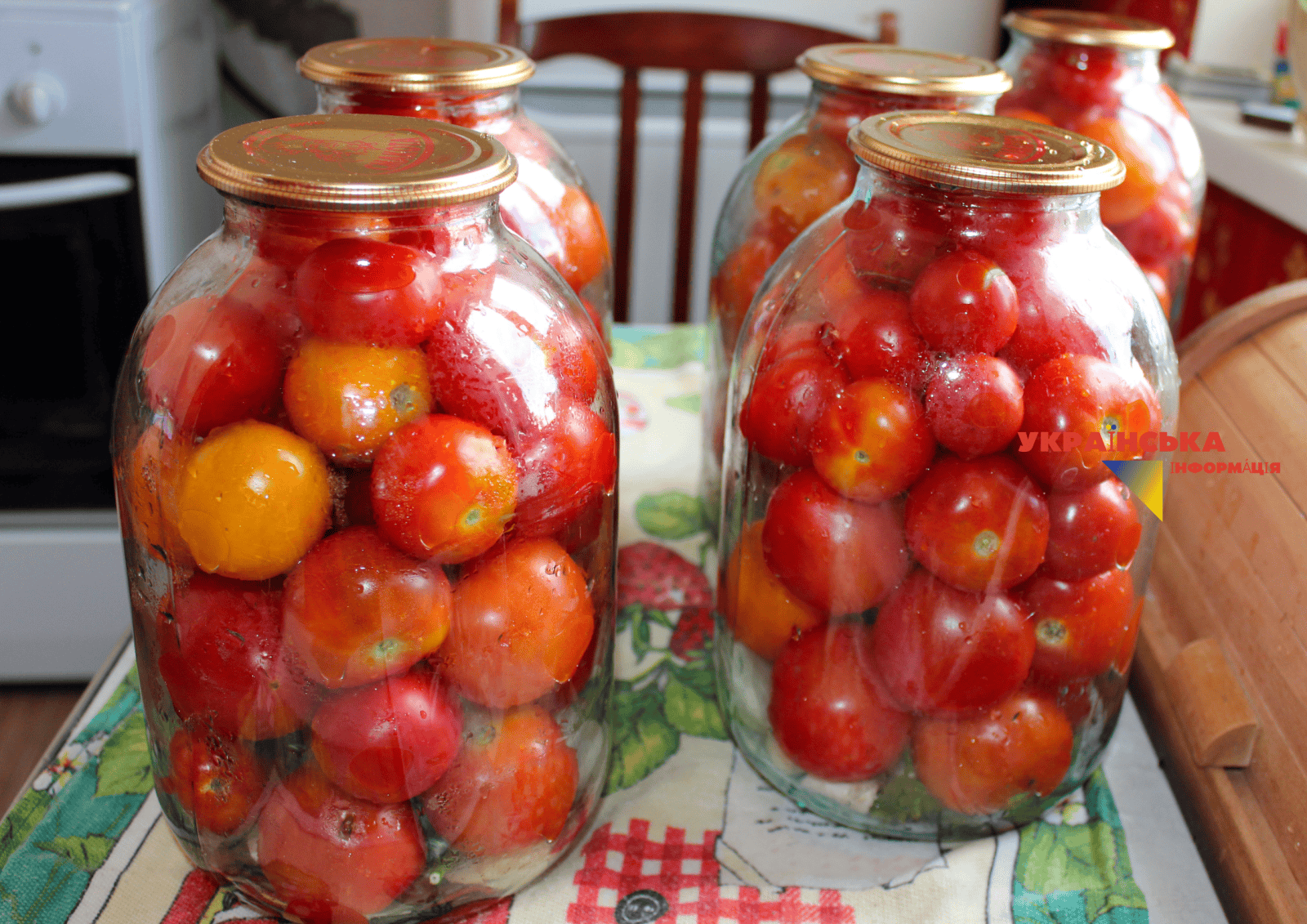
Tomato preservation is such a familiar event, probably from childhood, when a stock of beautiful and ripe tomatoes is preserved, ending the summer season of preparations for the winter. Unlike the canned cucumbers we are used to, where crunch is the priority, honey-sweet pickled tomatoes expect something different: a thin but intact skin, a rich sweet-spicy taste and a transparent brine, which in winter during the New Year holidays is drunk faster than the vegetables themselves are eaten.
As the author of this material based on recipes from the best chefs on the Internet, who analyzed thousands of recipes and real reviews from housewives, I know what you fear most: “why do tomatoes crack in jars” and “how to make pickles sweet, like in the store.” This article contains the main recipe and answers to all questions, as well as a step-by-step guide that has been tested by generations with reviews!
Read also: TOP 5 zucchini dishes, simple recipes that can be prepared in 5 minutes
1. The internal composition of the ideal tomato for canning
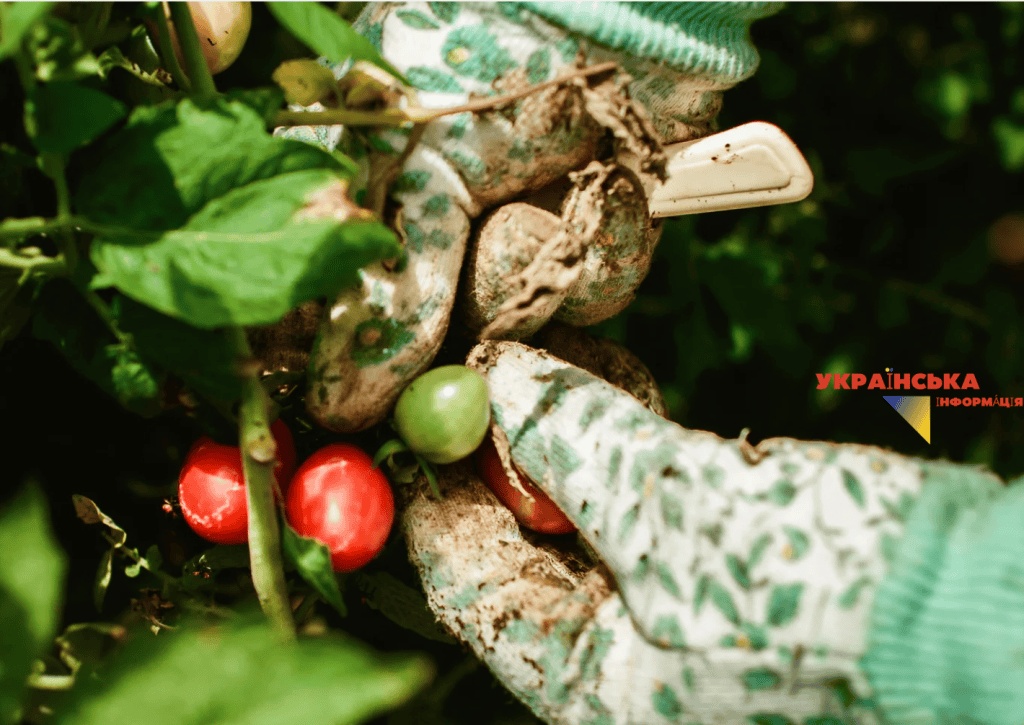
Not every tomato that looks beautiful on the store counter or in a basket from the country house is suitable for a can. To prevent the twist from turning into tomato paste, choose the right raw materials.
- Variety: The ideal choice is “Cream” (de barao) . They have dense flesh, thick skin and a minimum of excess liquid inside.
- Maturity: Tomatoes should be ripe without green or yellow spots, but firm. Brown or slightly underripe tomatoes can be covered (they will be elastic), but overripe, soft ones will just leak and ruin everything, it’s better to leave them for ketchup or adjika.
- Size: Sort the fruit by size. It is better to put identical tomatoes in one jar so that they warm up evenly.
The author’s main life hack against cracking from housewives: To prevent the tomato skin from cracking from contact with boiling water, before placing it in a jar, make 2–3 deep punctures with a toothpick at the base of the stem (where the tail was attached). This will relieve the internal pressure of the hot steam and leave the skin on the future closing tomato intact.
2. Signature recipe: Sweet pickled tomatoes “You’ll cover your fingers”
This recipe breaks search records every fall. Its secret is simple: the increased amount of sugar makes the tomatoes tender, without a sharp vinegary taste, and they last for several months.
Calculation of ingredients for one 3-liter jar (or three 1-liter jars):
| Ingredient | Optimal quantity | Why is this in the recipe? |
| Tomatoes | ~1.5 – 1.8 kg | Main character |
| Sugar | 5 tablespoons (with a slide) | Creates the same “honey” effect |
| Salt (coarsely ground) | 2 tbsp. spoons (without a slide) | Balance of taste |
| Vinegar (9%) | 50 ml (about 3 tbsp.) | Reliable preservative |
| Garlic | 4–5 cloves | For a spicy aroma |
| Dill umbrella, horseradish leaf | 1 piece per jar | Classic conservation base |
| Bell pepper | 1/2 piece (strips) | The secret ingredient for a sweet aroma |
3. Step-by-step closing technology: Double-fill method
This double-pouring method is not a recent know-how, but a smart approach of experienced housewives. It does not require the tedious sterilization of jars of vegetables in huge pots of boiling water. Everything is fast, clean and safe.
Step 1: Preparing the container and “pillow”
Wash the jars thoroughly with baking soda and sterilize over steam or in the oven. At the bottom of the dry jar, place herbs (horseradish, dill), chopped garlic cloves, 5 black peppercorns, and strips of sweet bell pepper (it gives the brine an incredible summer flavor that is so lacking in winter).
Step 2: Gentle packaging
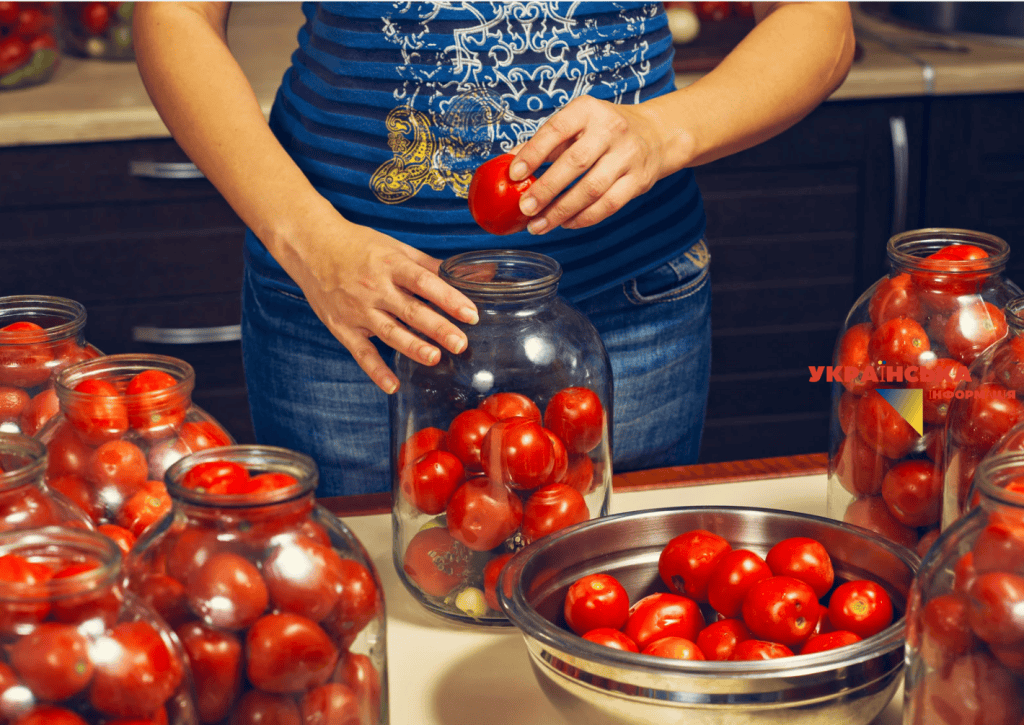
Carefully place the washed tomatoes with the holes in the bottoms into the jar. Try not to press them down at all or too hard so as not to crush them. Place the larger fruits on the bottom, the smaller ones on top.
Step 3: First warm-up
Carefully, in a thin stream, directing the flow into the center of the jar (on the tomatoes, not the glass), pour boiling water all the way to the top. Cover with a lid and leave for 20 minutes . The jar should absorb the heat and become warm, and the tomatoes should warm up to the very center.
Step 4: Preparing the marinade
Drain the water from the jars back into the pot using a special lid with holes. Add salt and sugar to this water. Bring to a boil and cook for 2–3 minutes until the marinade becomes completely clear.
Step 5: Final and rolling
Pour vinegar directly into the jar before filling (not a lot, but according to the standard in the table above). Then pour the boiling marinade over the tomatoes and immediately roll up the jar with a lid.
An important rule for tomatoes: Unlike cucumbers, tomatoes need to be carefully wrapped in a warm blanket or blanket upside down for at least a day or more. They need a process of self-sterilization (slow cooling) so that they will keep well even in an apartment.
4. Secrets of culinary experts that the instructions are silent about
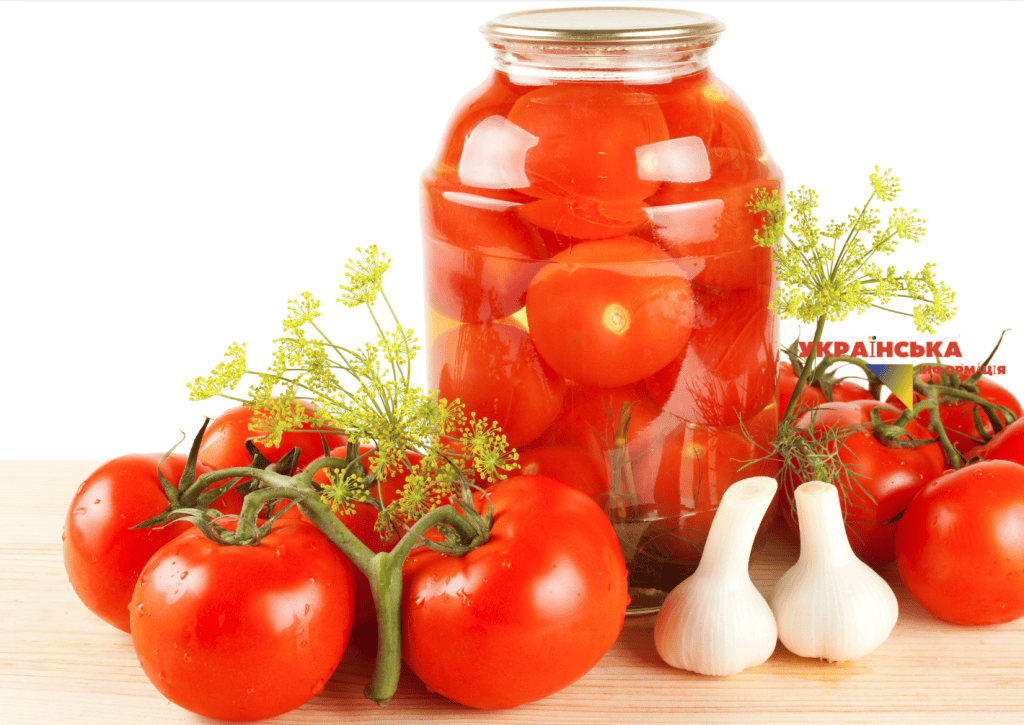
Do you want your twists to be the envy of your neighbors and all the guests who come to taste them at your table? Use these tips:
- Celery leaves instead of dill. For a more sophisticated, almost restaurant-style flavor, replace the regular dill with a sprig of fresh celery. Tomatoes and celery are a classic Italian gastronomic pairing.
- A little spice. If you like spicy tomatoes, add 1-2 hot chili pepper rings with seeds to the jar.
- The effect of “melting skin”. If you can’t stand tough skin, blanch the tomatoes before canning: make a cross-cut, pour boiling water over them for 1 minute, drop them into ice water and remove the skin completely. Can them peeled using the same recipe, and you’ll get the response “it’s incredibly tender”!
5. FAQ: Quick answers to popular questions
Why do cans of tomatoes explode?
The main reason and the main reason is bacteria that progress, namely poorly washed greens or cracked fruits with dirt left inside. This also happens due to saving vinegar or storing jars in too warm a place (next to a battery).
How long does preservation last?
If the technology is followed, pickled tomatoes can be stored in a pantry or cellar for up to 2 years or even more. However, it is best to use them during the first wintering season.
Read also: RECIPE: How to cover cucumbers to keep them crispy and tasty in winter
What to do if the brine becomes cloudy?
If the lid has not yet swollen, but the brine has become cloudy, bacteria have begun to develop in the jar. Such tomatoes are dangerous to eat. If the lid has swollen (“bombed”), the product should be disposed of without any regrets – harmful bacteria have developed there.
Now you know all the ins and outs of creating perfect summer treats. Have a nice winter and share this article on Facebook with your friends and family if you found it useful!
Want to receive more news on this topic? Subscribe to our Telegram or Viber by clicking on the text!