
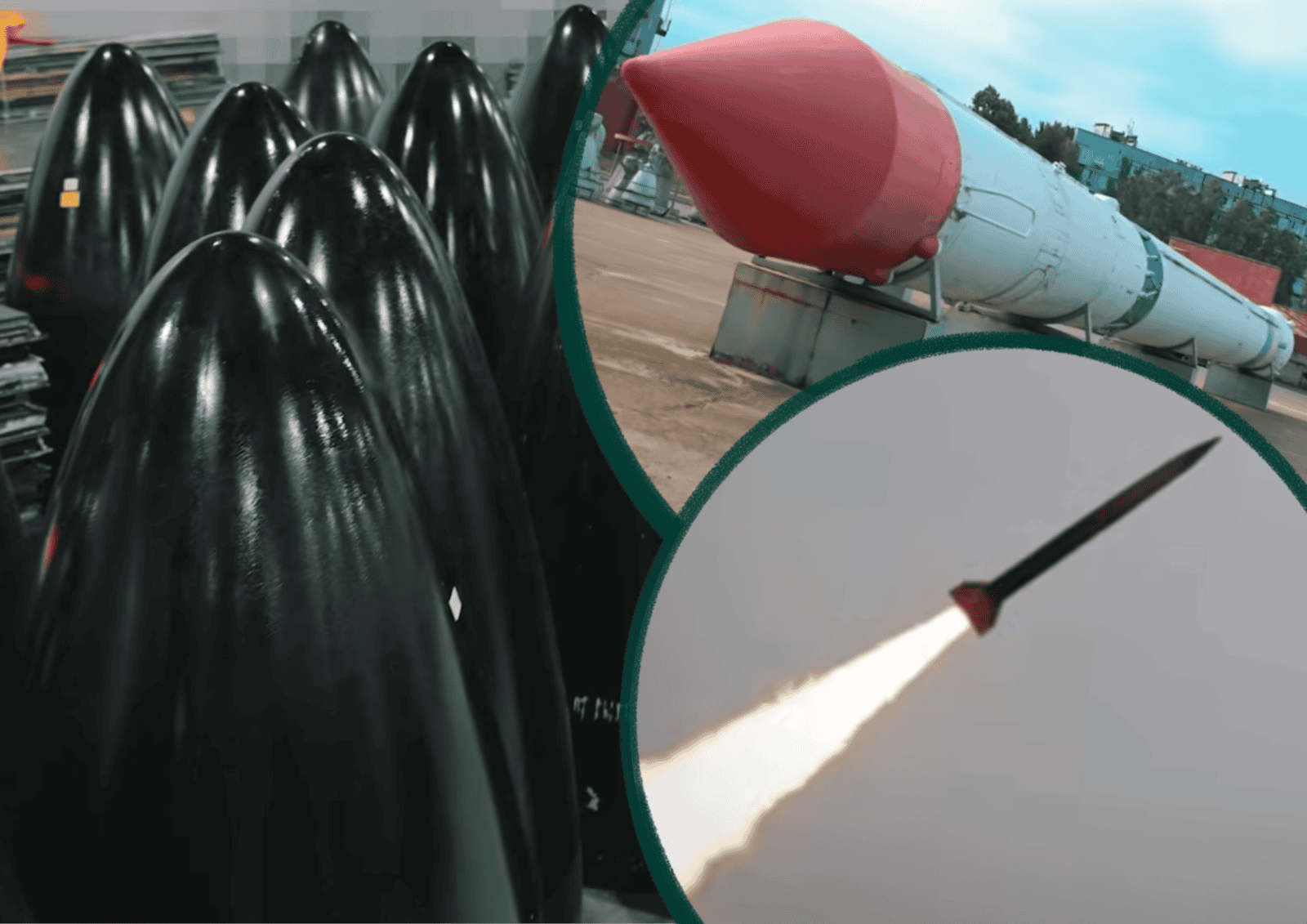
Everyone has long understood that modern warfare has one distinct feature, namely, technologies that are constantly improving, changing the course of events and dictating new rules of combat both on the front line and deep in the rear. From month to month, Ukraine, in order to deter the enemy, is forced to quickly adapt, creating its own weapons: from interceptor drones to strike drones, from cruise and ballistic missiles to the Ukrainian analogue of the Patriot air defense system .
In this material, we analyze the video interview of the YouTube channel PRESSING with the co-owner of the Ukrainian company FirePoint (the company that developed the Flamingo missile and the future Freya anti-aircraft missile complex) D. Shtilerman, – directly from the production facilities. The video not only lifts the curtain on the technological process of simple and fast production of domestic missiles, which is a “trump card” in the modern technological war, but also raises the issue of systemic problems that somewhat slow down the geometric progression of development and that private gunsmiths in Ukraine face using the example of one of the largest of them – FirePoint . Below, we will analyze the key challenges and obstacles that were discussed and the path to their solution, in order to start moving even faster in the technological direction of production of new Ukrainian weapons in the future.
Dependence on foreign components (mainly from partner countries)
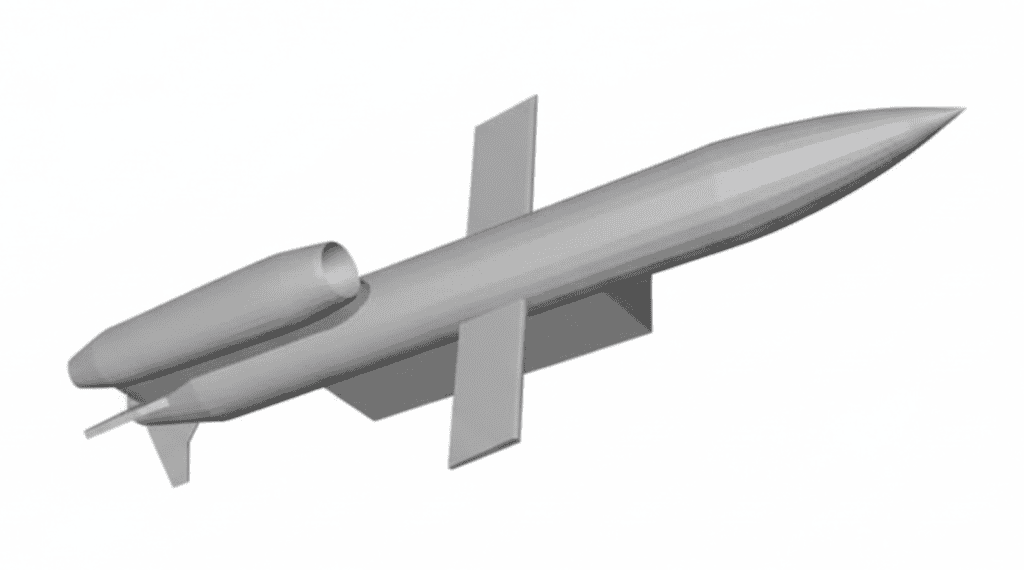
Despite the fact that Ukraine is capable of manufacturing carbon-fiber missile bodies, wings, and electronics, certain unspecified components remain in short supply. As a temporary solution, components will be stockpiled with a 2-year supply in advance. However, this is a problem on the way to mass production of missiles (hundreds of units per month) in the long term, especially if there are bureaucratic obstacles from partner countries.

Another component where there is currently a problem that needs to be partially solved is the assembly of engines. The complexity of the technical part and local bureaucracy create a significant delay in one of the key elements of the rockets – the engine. This causes so-called “bottlenecks” that limit the number of rockets released, despite the co-owner’s statement about the readiness of Ukrainian factories to scale up production.
Lack of a unified technical base and “reinventing the bicycle”
One of the most glaring problems now, which D. Shtilerman calls, and which in the fifth year of a full-scale war has still not been resolved by the Ministry of Defense, is the lack of access of private manufacturers to the drawings and technologies for the production of weapons accumulated over the years. The problem of internal state administration with the unification and disclosure of information in the galley of rocketry developments, which were mostly invented by Ukrainian scientists and engineers during the years of Soviet Ukraine. As a consequence in practice, the co-owner of FirePoint gives an example with engines for Ukrainian missiles, where this caused a delay in its creation from scratch, testing and launch for a total period of 1 year. Which again, in times of rapid changes in warheads and their adaptations, affects the final result of the effectiveness of this weapon, which also needs to be separately tested and adjusted for maximum accuracy.
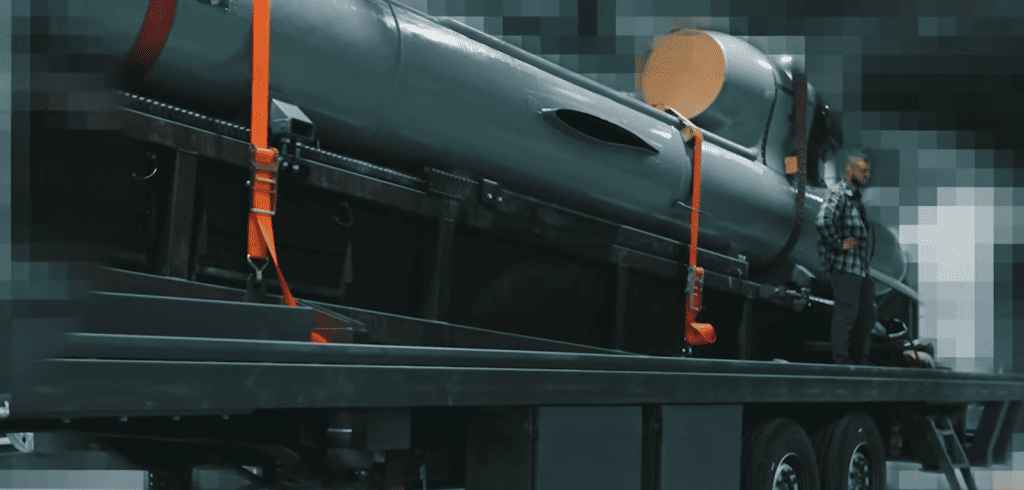
The company representative notes that because of the former leadership of the Ministry of Defense, which was supposed to create a library of technical literature for developers, but failed to cope with this task. Today we have a consequence: a lack of information, where Ukrainian engineers are forced to spend years and millions of dollars on experiments on creating workshops for pouring solid-fuel engines. Manufacturers have to act by trial and error, although all these solutions already exist and lie in the closed archives of state-owned enterprises, which are putting up significant resistance and are unwilling to share knowledge.
Geopolitical restrictions and partner prohibitions
D. Shtilerman says that Ukraine has the technological ability to deal an even more devastating blow to the Russian economy, but faces political limits.
First, there is a real possibility of a complete blockade of Russian oil exports by announcing a public ban on ships entering Russian ports, and in the event of which, using their drones to strike the engine rooms for violating the blockade conditions by a specific tanker. According to Stillerman, this will make it possible to completely block Russian oil exports in the Baltic and Black Seas in one day.
The reason why this has not happened yet, as D. Shtilerman says, is the result of inaction . Where the main barrier to why such operations are not carried out is the informal ban on the part of European and Western partners who finance Ukraine and, probably, fear global escalation or jumps in energy prices.
Technological blackmail and kill switches
The dependence of Western countries, as well as the countries of the Far East (which has already been proven in practice), on the military technologies of the United States, according to the co-owner of Ukrainian weapons, poses a direct threat to the national security of these countries, because any foreign system can be deactivated remotely. Then the billions spent on foreign defense are simply unprofitable, because in an instant they can stop working and protecting. As an example of such threats that exist for Ukraine, D. Shtilerman gives:
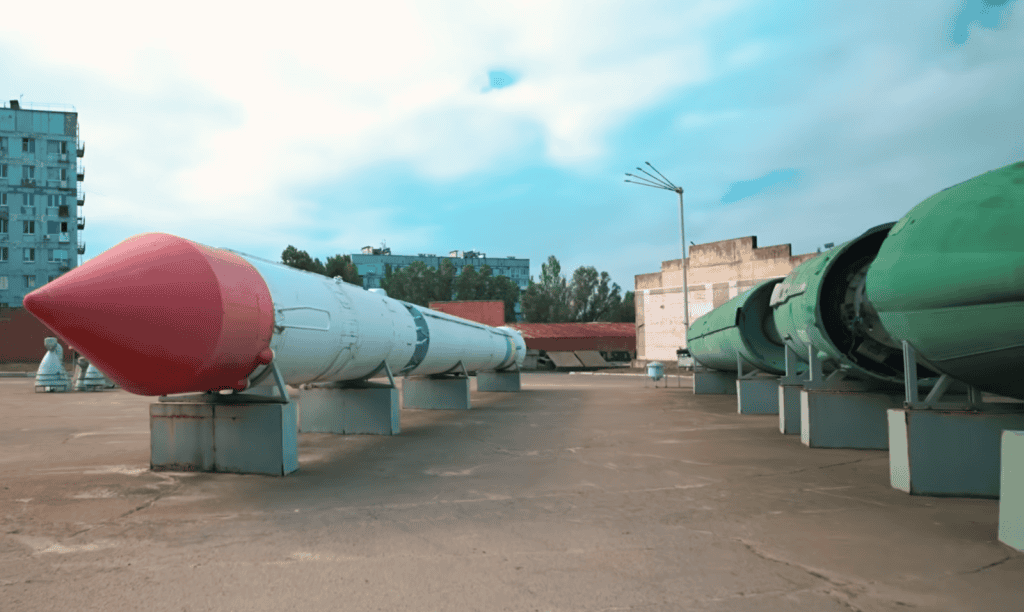
- Monopoly of Starlink systems: What is currently a powerful lever of US influence on frontline communications in Ukraine, where the Starlink terminal helps a lot, which can hypothetically be turned off at any time. That is why FirePoint proposes to create its own, independent network of satellites of about 160 pieces (currently Ukraine has only 2 satellites) together with the cranes of the EU and the Middle East, in order to share the start-up costs of about $ 200 million by fixing the agreement based on cryptographic trust algorithms.
- The problem of foreign air defense: The example of the situation in Qatar explains how the Americans remotely disabled the radars of Patriot complexes during the war with Iran this year. This pushes Ukrainian developers to create their own anti-ballistic shield “Frey” with an open architecture for interaction and exchange of technologies with partner countries in the EU, where neither the manufacturer nor the supplier country had the ability to disable the sky defense remotely.
- Ukraine also had one of the largest air defense systems networks at the beginning of its independence, in Kyiv alone, according to the president, there were about 250 S-300s in the 90s, but by the beginning of the full-scale invasion, only 25 remained for the entire country. Now the situation has changed, we have diversified different air defense systems for different purposes, such as Hawk, IRIS-T, NASAMS, Patriot. However, on this path, we should not forget about our own, so we are building our own right now.

Conclusion: How not to lose potential
The path to Ukrainian ballistics and fully independent sky defense is extremely difficult and long, even without any bureaucratic or financial problems. The engineering part itself is very complex and has many problems and challenges of modern warfare and technological weapons. So there is no need to hide what has long been on the table, because the waste of time is now not so much in the engineering plane (Ukrainian specialists are able to create innovative, cheap and mass solutions), but in the political, bureaucratic and information spheres.
Victory in this technology war requires consolidating the efforts of the state and private business, reducing internal sabotage, and creating favorable conditions for more and more new defense startups that will forge a strong shield and sword of Ukraine today and in the future.
Want to receive more news on this topic? Subscribe to our Telegram or Viber by clicking on the text!